What Is Included in a House Painting Quote?
A proper painting quote should tell you far more than the total price. It should define exactly what will be painted, how every surface will be prepared, which coating system and coats will be used, who pays for access and repairs, and what happens if the scope changes.
Reviewed and updated: 23 August 2026
What should a house painting quote include?
A complete house painting quote should include the property and contractor details; the exact rooms, surfaces and sides of the house being painted; preparation and repair allowances; primer, paint products, sheen, colours and number of coats; labour, masking and protection; scaffolding or other access; start timing and likely duration; the total price and whether GST is included; deposits and payment stages; exclusions; written variation rules; clean-up, final inspection and any workmanship guarantee. If any one of these is unclear, the price is not yet easy to compare.

The 16-point house painting quote checklist
Tick only what is stated clearly in writing—not what you assume is included. This tool tests the completeness of the document, not the painter’s skill or the fairness of the price.
How complete is your quote?
Use the score to find missing questions before you accept the job. A low score does not automatically mean a bad painter; it means the written scope needs clarification.
First check: is it actually a quote or only an estimate?
In New Zealand, the label matters. A low “estimate” and a higher fixed “quote” are not the same kind of offer, so comparing them as if they are equivalent can create a false bargain.
A specified price for a defined job
Consumer Protection explains that a quote is an offer to do the job for a specified price. Once accepted, the provider generally cannot charge more unless you agree to extra work or the scope changes. That change is a contract variation.
A best prediction, not a fixed price
An estimate is a rougher calculation based on the information available. The final amount may be higher or lower. If you want price certainty on a substantial painting job, ask when the estimate will be converted into a detailed written quote.
Too vague to compare
“Prepare and paint full exterior. Labour and materials included.”
This does not identify the surfaces, prep standard, repairs, primer, paint, coats, access, exclusions or finish.
Specific enough to test
“Wash listed exterior elevations; scrape loose coating and feather-sand failed edges; fill minor surface defects; spot-prime exposed timber; apply two finish coats of the named exterior system to weatherboards and listed trim. Scaffold included. Rotten timber replacement and roof painting excluded.”
You can ask follow-up questions, compare the same scope with another painter and identify a variation if the job changes.
What is included in a house painting quote—line by line
The strongest quotes turn assumptions into written decisions. These are the ten parts that give a painting price real meaning.
Contractor, client and property details
The document should identify the business or sole trader, their contact details, the client and the address where the work will happen. Check that the entity taking payment is the same one named on the quote. If the painter is GST-registered, the document should make its GST treatment clear.
Also check the quote date, acceptance method and how long the price remains valid. Paint, access hire and labour costs can change, so an expiry date is normal; an open-ended price with no acceptance terms is less useful.
The exact surfaces being painted
“Interior repaint” and “full exterior” are labels, not complete scopes. A quote should list what is in and out. For an interior, that may mean walls, ceilings, skirtings, architraves, doors, frames, window reveals, wardrobes and cupboards. For an exterior, it may mean cladding, soffits, fascia, windows, doors, gutters, downpipes, baseboards and detached structures.
Small omissions add up. Painting the walls but not the ceilings, painting doors but not frames, or coating weatherboards but not timber windows can produce very different totals. Room names, elevations or a marked photo schedule make the boundary easier to verify.
Surface preparation—not just “standard prep”
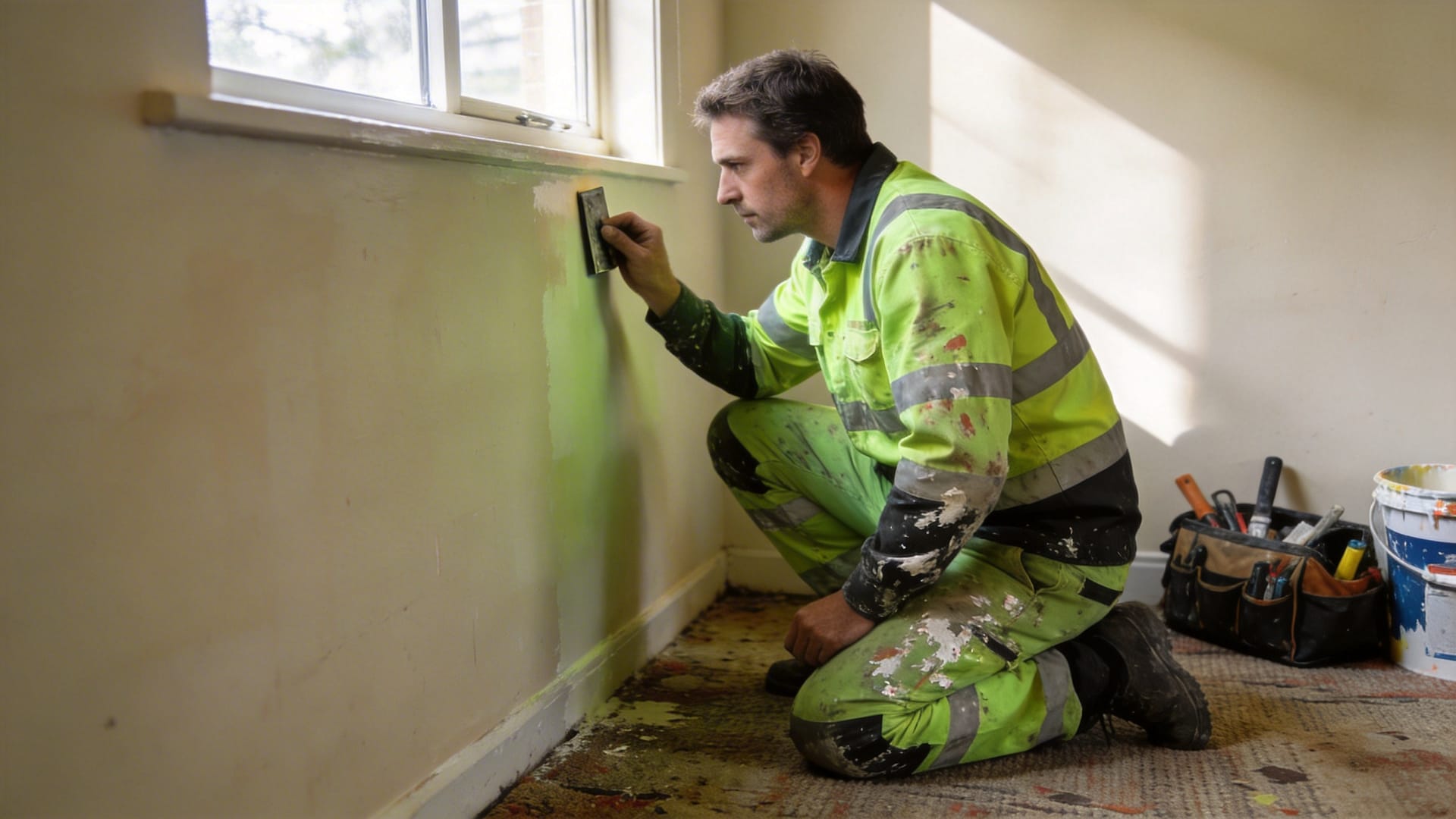
Preparation is often where the largest difference in labour and durability sits. The quote should state the condition being allowed for and the work required before coating. Depending on the surface, that can include washing, mould treatment, scraping, sanding, de-glossing, filling, plaster patching, caulking, stain sealing and spot priming.
Ask the painter to define phrases such as “as required”, “make good” and “minor prep”. Do they include every visible nail hole, only isolated defects, or a fixed number of labour hours? If extensive preparation is uncertain, a written allowance or a clearly priced day rate for authorised extra work is more transparent than silence.
Repairs and pre-existing damage
Painting contractors commonly include minor cosmetic filling but exclude building repairs. The quote should explain where that line sits. Rotten weatherboards, leaking joinery, damaged plasterboard, ongoing moisture, failed sealant systems or structural cracks may need another trade before paint can perform properly.
Ask what happens if damage is discovered after scraping or sanding begins. A sensible variation process should require photographs or an explanation, a price and your approval before extra repair work proceeds. Do not let “we will sort it out later” become an unlimited cost category.
Primer, paint products, sheen, colour and coat count
“Premium paint included” is still incomplete. A useful quote names the manufacturer and product range—or at minimum the coating type—for each surface. It should record the sheen, agreed colours and the intended system: for example, one appropriate primer coat plus two finish coats.
Ask whether “two coats” means two finish coats or one primer and one finish coat. Also clarify difficult colour changes, stains, porous repairs and bare timber, because these may need an additional sealer or coat to achieve uniform coverage. If the wording says coats will be applied only “until covered”, make sure the expected finish is still clear.
The application method can matter too. Spraying may be efficient, but masking and any required back-rolling should be addressed. Brushes and rollers may be used for different areas. The method is not a quality score by itself; it must suit the product, substrate and intended finish.
Labour, site setup, protection and occupancy
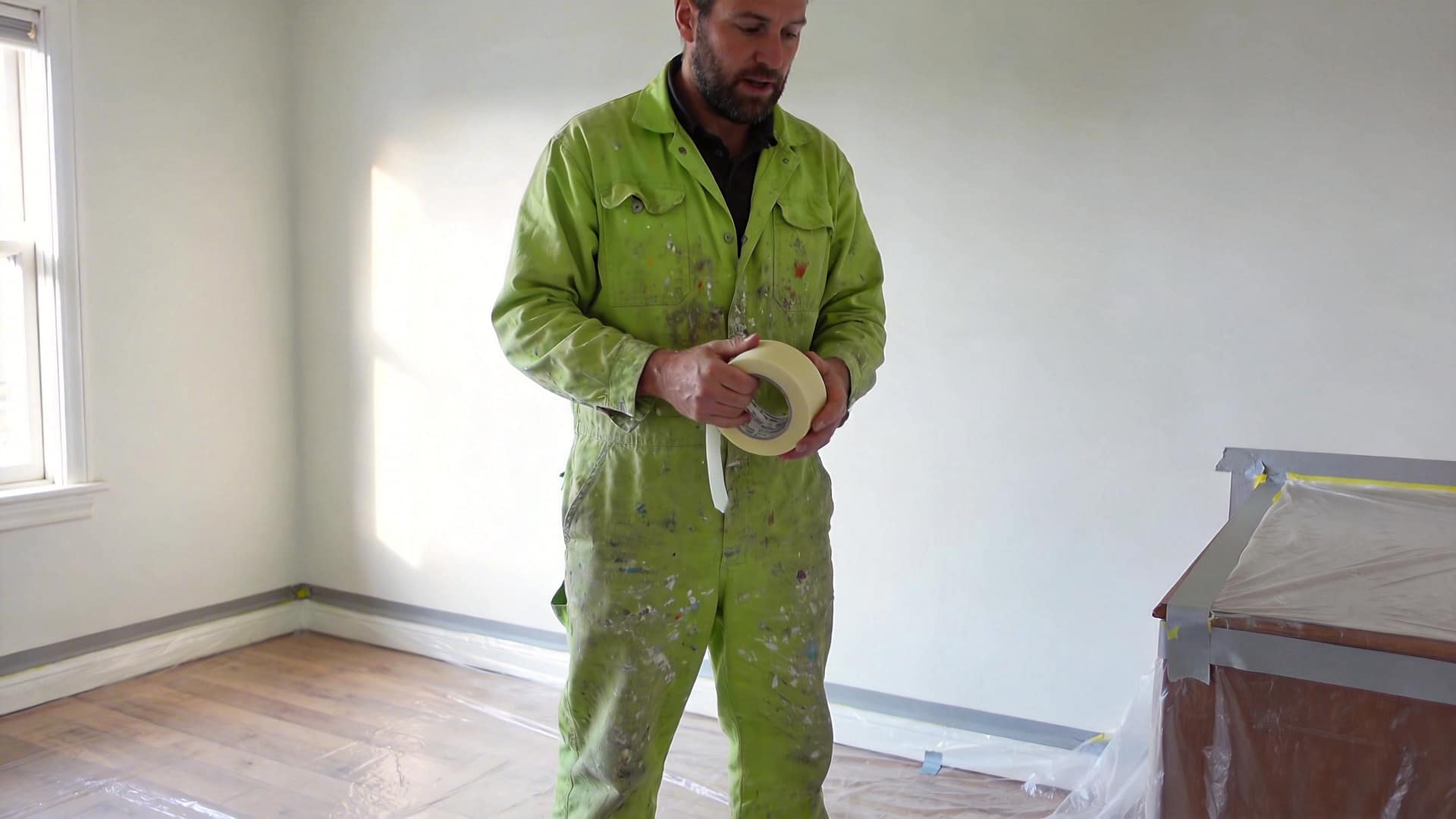
Labour is normally part of the total, but the quote should reveal what the team is actually doing. That includes setup, moving only the agreed items, masking, drop sheets, dust control, daily pack-down and protecting surfaces not being painted.
For interiors, confirm who moves furniture, removes curtains or blinds, takes down pictures, handles wall-mounted TVs and reconnects items afterwards. If the home will remain occupied, clarify working hours, room sequencing, ventilation, access to bathrooms and kitchens, pets, alarms and whether the painter expects rooms to be empty before arrival.
Access equipment and health-and-safety controls
Exterior price gaps often come from access rather than paint. The quote should say whether scaffolding, edge protection, mobile platforms, roof access, difficult ground setup and delivery or hire charges are included. It should also state who arranges the equipment and whether the hire period allows for normal weather interruption.
Do not treat safe access as an optional luxury. WorkSafe says businesses must manage work-at-height risks. If another contractor supplies scaffolding, make sure the painting and scaffolding scopes connect—otherwise each party may assume the other has priced a necessary section.
Older coatings can create another hidden scope issue. WorkSafe guidance notes New Zealand’s legacy of lead-based paint on buildings, particularly from historic use. If sanding or removing an old coating may create hazardous dust, ask whether testing, containment, cleanup and disposal are included or require separate assessment.
Start window, duration, drying and weather delays
A quote does not need to promise an impossible exact completion date, but it should give you a usable programme: expected start window, approximate working days, crew assumptions and anything that may pause the job. For exterior work, wet substrates, rain, wind, low temperatures and overnight dew can affect safe work and coating conditions.
Clarify whether the programme is measured in working days or calendar days, how weather delays will be communicated and whether extended scaffold hire can change the price. Interior jobs should allow for drying and recoat times rather than treating every coat as immediately available.
If planning the household around the work matters, use our guide to how long it takes to paint a house in NZ before agreeing on the schedule.
Total price, GST, deposit and payment stages
The bottom line should say whether GST is included. Check for separate allowances, provisional amounts, travel, freight, colour-change charges, scaffold hire and disposal costs. A subtotal that becomes a materially different total after GST or excluded access is not the number you should compare.
Payment terms should show the deposit, any progress claims, the trigger for each payment and the balance due after completion. Consumer Protection states there is no legal requirement to pay a deposit simply because you accept a quote; if a deposit is requested, its guidance advises consumers not to pay more than 10% of the total cost. Read the terms in context and make sure each payment is tied to a clear milestone.
Exclusions, variations, cleanup, sign-off and warranty
A quote becomes safer to accept when it says both what it includes and what it excludes. Variations should be written, priced and approved before the extra work is carried out wherever practicable. Record whether the variation also changes timing, access hire or the payment schedule.
Handover should cover rubbish removal, leftover paint, removal of masking, touch-ups and a final walk-through. The quote should distinguish a painter’s workmanship guarantee from the paint manufacturer’s product warranty, state the period and key exclusions, and explain how a defect is reported. Ask for evidence of relevant public liability insurance rather than assuming it exists.
Before releasing the final balance, use our house painting final inspection checklist to record touch-ups and incomplete items.
Interior and exterior quotes need different detail
The same 16-point checklist applies, but the costly unknowns are different. Use this table to check that the quote describes the right risks for your project.
| Quote area | Interior painting quote | Exterior painting quote |
|---|---|---|
| Scope | Walls, ceilings, doors, frames, skirtings, wardrobes, cupboards and individual rooms. | Each elevation plus cladding, soffits, fascia, joinery, gutters, downpipes, foundations and outbuildings. |
| Preparation | Cleaning, crack and hole filling, stain blocking, sanding, caulking and plaster repairs. | Washing, mould treatment, scraping, feather sanding, bare timber primer and failed joint treatment. |
| Protection | Floors, carpet edges, furniture, fittings, appliances and occupied zones. | Windows, roofing, decks, paving, vehicles, neighbouring property, plants and soil. |
| Access | Stairwells, vaulted ceilings, furniture and restricted rooms. | Storeys, slopes, gables, roofs, power lines, scaffolding and mobile platforms. |
| Programme | Room sequence, working hours, drying, ventilation and whether the home stays occupied. | Forecast, substrate moisture, wind, rain, dew, scaffold hire period and seasonal exposure. |
| Common exclusions | Major plaster repair, moving heavy items, removing fixtures, water damage and specialist stain treatment. | Rotten timber, building repairs, lead/asbestos assessment, roof work, access hire and hidden decay. |
What is commonly not included in a painting quote?
Exclusions are not automatically a problem. Unstated exclusions are. A contractor may reasonably separate specialist repairs or unpredictable conditions from the base price, but you should know the boundary before work begins.
| Possible exclusion | Why it may be separate | What to ask for |
|---|---|---|
| Rotten or damaged timber | The full extent may not be visible until loose paint or soft material is removed. | A repair rate, allowance, responsible trade and written approval process. |
| Major plaster or plasterboard work | Painting prep normally covers small defects, not extensive stopping or replacement. | A measurable definition of “minor repairs” and separate pricing for larger areas. |
| Water ingress or active mould source | Paint cannot fix an unresolved leak, ventilation defect or moisture source. | Who diagnoses and repairs the cause before coating begins. |
| Lead or asbestos-related controls | Testing, containment, specialist removal and disposal may need a separate plan. | Whether risk assessment or testing is needed and who pays for it. |
| Scaffolding or specialist access | Hire and setup can be supplied by another contractor or vary with site conditions. | A firm inclusion, a separate supplier quote, hire duration and overrun terms. |
| Moving heavy furniture or fittings | Risk, disconnection and specialist handling may sit outside painting work. | A room-ready checklist and the exact items the painting team will move. |
| Extra colours or colour changes | More cut-in, cleaning, masking, materials or coverage coats may be required. | The number of colours included and the cost of adding or changing colours. |
| Work outside listed surfaces | Decks, fences, roofs, garages or one side of a shared structure may be separate projects. | A surface-by-surface list or marked photographs attached to the quote. |
Benchmark the price before you compare the paperwork
A calculator cannot replace a site-specific quote, but it can give you a low, typical and high planning range. Use that range to spot a number that deserves more questions—then compare the written scope rather than automatically choosing the closest or cheapest result.
Painting quote red flags worth clarifying
One vague line does not prove poor workmanship. It does tell you where the risk of disagreement sits. Ask for clarification when you see any of these.
Copy and send this before accepting the quote
If the painter has already inspected the house, these questions can turn a promising but vague quote into a document you can confidently compare.
Hi [Painter’s name], thanks for the quote. Before I compare and accept it, could you please confirm the following in writing:
- The exact rooms, elevations and surfaces included and excluded.
- The preparation and minor repair work allowed for, including how larger repairs would be priced.
- The primer and finish products, sheen, colours and number of primer/finish coats.
- Whether masking, protection, cleanup, rubbish removal and a final touch-up walk-through are included.
- Whether scaffolding or any other access equipment is included.
- Whether the total includes GST, plus the deposit and payment milestones.
- The expected start window, working duration and how weather delays affect timing or access hire.
- The written process for approving and pricing any variation before extra work begins.
- The workmanship guarantee and any key exclusions.
Once those details are confirmed, I’ll be able to compare the scope properly. Thank you.
If your quotes still look far apart after the scopes are aligned, read how to compare painting quotes in NZ and why painting quotes vary so much. If you are still collecting information for the painter, use the guide to getting a more accurate painting quote.
Frequently asked questions
Does a house painting quote usually include paint?
Usually, but do not stop at the words “paint included”. Confirm the manufacturer or product range, primer, finish, sheen, colours and the number of primer and finish coats. Also check whether difficult colour changes or extra coverage coats can become a variation.
Does a painting quote include surface preparation?
It should state the preparation allowed for, but the level varies. Look for washing, mould treatment, scraping, sanding, filling, caulking, stain sealing and spot priming as relevant. Ask the painter to define “standard” or “minor” preparation rather than assuming it covers every defect.
Are repairs included in a house painting quote?
Small cosmetic repairs are often included, while rotten timber, major plaster work, water damage and structural defects are commonly excluded or priced separately. The quote should define the repair allowance and explain how newly discovered work will be approved and priced.
Should a painting quote include scaffolding?
It should clearly say whether scaffolding or other access equipment is included, excluded or supplied under a separate quote. Confirm who arranges it, how long the hire lasts and whether weather delays can create extra hire charges.
How many coats should be stated in the quote?
The quote should state the coating system for each surface, separating primer from finish coats. “Two coats” can be ambiguous: ask whether it means one primer plus one finish coat or two finish coats after any required primer.
Can a painter charge more than an accepted quote in New Zealand?
Consumer Protection says a provider generally cannot charge more than an accepted quote unless you agree to extra work or the scope changes. Any variation should be documented with the additional work, price and timing impact before it proceeds wherever practicable.
Should the painting quote say whether GST is included?
Yes. The total you compare should be unambiguous. Check whether GST is included and whether scaffolding, delivery, disposal, travel, colour changes or provisional allowances sit outside the displayed total.
Is the cheapest house painting quote the best value?
Not necessarily. A lower quote may cover a smaller scope, lighter preparation, fewer coats, different products or no access equipment. A higher quote is not automatically better either. Align the scope first, verify the painter and then compare price, evidence, communication and terms.
What should happen before final payment?
Complete a walk-through against the written scope, note touch-ups or incomplete items, confirm cleanup and collect any product or workmanship information promised in the quote. The payment terms should state when the final balance becomes due.
How this guide was checked
This page combines practical quote-scope analysis with current New Zealand consumer and work-safety guidance. It is designed to help homeowners ask better questions; it is not legal advice or a substitute for a site inspection.
Quotes and estimates—fixed quotes, estimates, deposits, written information and variations.
Poor quality or incomplete work—reasonable care and skill, time, price and consumer remedies.
Working at height in New Zealand—the need for businesses to manage work-at-height risk.
Lead-based paint guidance—historic coating hazards during preparation and repainting.
Planning note: Painting Cost Estimator NZ is an independent information and estimation resource. Calculator results are planning ranges, not contractor quotes. Product requirements, site conditions and contractual terms must be confirmed for the individual property.