Why Painting Quotes Vary So Much in New Zealand
If you have collected a few painting quotes in New Zealand and felt confused by the gap between them, you are not imagining things. One painter might quote what feels like a bargain, another may come in thousands higher, and a third might sound reasonable until you realise half the prep work is missing. This is one of the biggest reasons homeowners struggle to compare painting quotes fairly. The truth is that painting quotes vary so much in New Zealand because painters are often pricing very different levels of labour, surface preparation, paint systems, risk, access difficulty, workmanship standards and aftercare.
Once you understand what sits behind the numbers, the whole picture becomes much clearer. A low quote is not always cheap in the long run, and a high quote is not always inflated. Sometimes the quote reflects proper prep, better products, safer working methods and a finish that lasts longer in New Zealand conditions. This guide breaks down exactly why painting quotes vary so much in New Zealand, what to look for, and how to compare them without getting lost in the wording.

What this article will help you do
Learn how to compare painting quotes in New Zealand with more confidence, spot missing items, and understand why one price may sit far above or below another.
What often causes the biggest price gap
Prep work, paint quality, access difficulty, surface condition, number of coats, labour standards and whether the painter has priced the full job properly.
Why one painting quote can be cheap and another can be expensive
The biggest reason painting quotes vary so much in New Zealand is simple: painting is not a standardised product. Two painters may both say they are quoting for the same house, but what they include can be worlds apart. One quote may allow for full washing, sanding, filling, spot priming, masking, premium paint and two finish coats. Another may price a fast in-and-out job with minimal prep and lower-grade materials.
That difference matters because paint is only as good as the surface underneath it. New Zealand homes also face conditions that punish shortcuts. Harsh UV, coastal air, moisture, wind-driven rain and temperature shifts all affect how well a coating system performs. A quote that ignores those realities may look attractive on day one, but it can end up costing more once peeling, flaking or premature fading appears.
The main factors that make painting quotes vary in New Zealand
When homeowners search for reasons why painting quotes vary so much in New Zealand, they are usually trying to understand the practical drivers behind the numbers. These are the factors that most often create real price differences.
1. Surface preparation is rarely equal
Preparation is one of the most important and most inconsistent parts of any painting quote. A well-priced professional job may include washing, mould treatment, scraping loose paint, sanding glossy areas, stopping holes, caulking gaps, sealing stains and priming bare patches. A cheaper quote may include very little of that. On paper, both are still “painting”. In reality, one is building a solid base and the other is taking shortcuts.
This is especially important on weatherboards, older interiors, timber trims, soffits and previously painted surfaces with wear. The longer the home has gone without maintenance, the more prep usually needs to be done. That is a direct reason painting quotes vary so much in New Zealand from one contractor to another. When you read a quote, it is worth checking whether the preparation is actually described, not just assumed; this related guide on whether a painting quote includes prep work in NZ explains the grey areas homeowners often miss.
2. Paint quality and coating system
Some painters quote using trade-grade premium products with reliable coverage and better long-term durability. Others may price with lower-cost paint or thinner systems to keep the number competitive. The homeowner might not spot the difference unless the quote names the product range, number of coats and where primer is being used.
Better paint is not magic, but it usually helps with colour retention, coverage, washability and lifespan. In exposed New Zealand locations, that can make a noticeable difference over time.
3. Labour time and attention to detail
Labour is a huge part of painting cost. A careful painter who cuts clean lines, protects surfaces properly and fixes defects before coating will usually need more hours than someone aiming for speed. This is why painting quotes vary so much in New Zealand even on homes of similar size. One quote may reflect a crew pushing through jobs quickly. Another may reflect a more methodical standard.
4. Access, height and site difficulty
Not every house is easy to paint. Multi-level homes, steep sections, narrow side access, roof complexity, surrounding gardens, conservatories, high gables and awkward fences all add time and risk. If scaffolding or extra safety measures are needed, the quote can jump substantially. This is not price padding. It is part of doing the work safely and properly.
5. Scope gaps and vague wording
Some of the cheapest quotes stay low because they are vague. They do not clearly say what is included, what is excluded, how many coats will be applied, whether trims are counted, or what prep standard is allowed for. That gives room for variations later. A more expensive quote may actually be more honest because it spells out the real scope from the beginning.
| Factor | How it changes the quote | Why it matters for homeowners |
|---|---|---|
| Surface preparation | More prep means more labour hours and materials | Better adhesion, cleaner finish, longer paint life |
| Paint quality | Premium products increase cost upfront | Can improve durability, coverage and appearance |
| Access difficulty | Scaffolding, harness work or awkward access adds cost | Necessary for safety and consistent workmanship |
| Number of coats | More coats mean more paint and more time | Important for even colour and proper protection |
| Scope clarity | Vague quotes may look cheaper at first | Higher risk of disputes, add-ons and misunderstandings |
| Workmanship standard | Skilled, detail-focused work often costs more | Cleaner finish and fewer regrets after completion |
Interior vs exterior painting quotes: why the pricing logic changes
Another reason painting quotes vary so much in New Zealand is that interior and exterior jobs are priced differently. Interior painting is often affected by room count, furniture movement, ceiling height, trim detail, wall condition and whether the property is occupied. Exterior painting is usually driven by weather exposure, access, washing, repairs, timber condition and safety requirements.
For that reason, it helps to look at the job through the right lens. If you are trying to understand the rough cost of indoor work before requesting quotes, a well-structured interior painting cost calculator can give you a useful baseline. It will not replace a site visit, but it can help you sense whether a quote is in the expected range or far outside it.
For outdoor surfaces, exposure and prep standards tend to drive bigger cost swings. If the job is focused on the outside of the home, the exterior painting cost calculator is the more relevant reference point because exterior work tends to vary more sharply with access and surface condition.
Good use of a calculator
A calculator is not there to replace a real quote. It helps you build pricing awareness before you compare painters.
- Use it to understand a rough expected range
- Use it to question quotes that look unusually low
- Use it to spot when site conditions are likely adding cost
- Use it as a conversation starter, not the final word
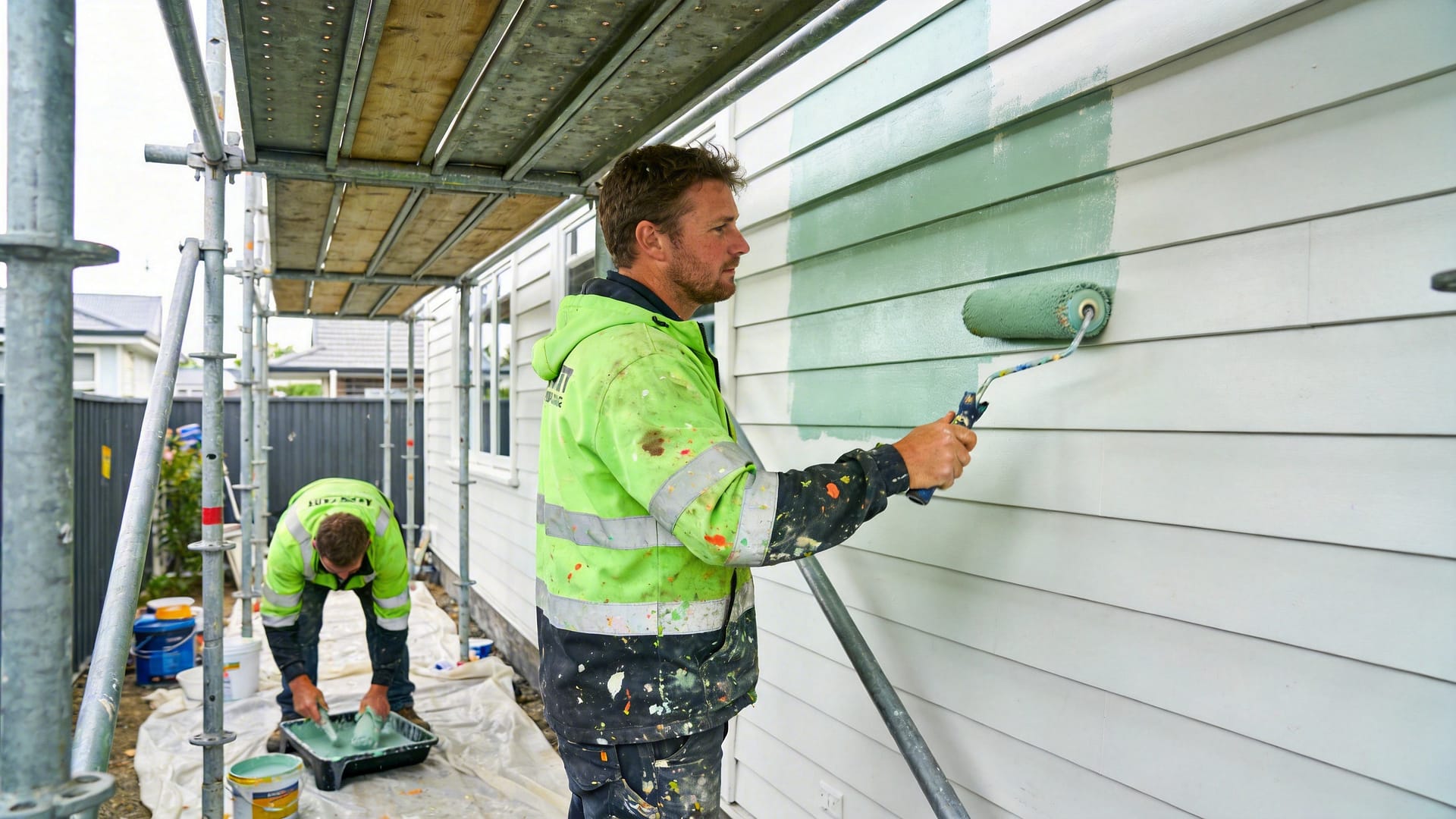
What a homeowner should compare instead of just looking at the bottom line
Many people compare painting quotes the same way they compare grocery prices, but painting does not work like that. The final number matters, but it should not be the first thing you look at. A much better approach is to compare the structure behind the quote.
Compare these items line by line
- What surfaces are included and excluded
- Whether washing, sanding, filling and priming are clearly stated
- How many coats are allowed for
- Which paint brand or product line is specified
- Whether trims, doors, soffits, fascia or ceilings are included
- How access equipment or scaffolding is handled
- What level of clean-up and protection is included
- Whether repairs are priced in or treated as extra
- Whether workmanship guarantees are mentioned
Once you start comparing quotes this way, you often find that the lowest quote is not really quoting the same job. That is one of the clearest answers to the question of why painting quotes vary so much in New Zealand. The difference is often hidden in the detail, not just the hourly rate.
Red flags that may explain an unusually low painting quote
Not every cheap quote is bad, but very low numbers deserve a closer look. A painter may be hungry for work, operating with very low overheads or doing the job personally. That can happen. But in many cases, a very low quote is low for a reason.
Watch out for these warning signs
If the quote is extremely brief, does not mention prep, avoids product details, lacks clarity around coats, or sounds too casual about repairs, it may be underpriced on purpose or under-scoped by mistake. Both can create problems later. Some painters rely on variation charges after the job starts. Others simply rush the work to protect their margin.
The risk to the homeowner is not only financial. It can also mean inconvenience, shorter paint life, visible defects, inconsistent sheen, poor cut lines and disappointment every time you look at the finished result.
Why higher quotes are not always overpriced
Homeowners sometimes assume the highest quote must be inflated, but that is not always true. A higher quote may be more realistic because it includes the hidden work others have left out. If a contractor has taken the time to inspect the home carefully, identify problem areas, specify products and explain the process, that quote may be closer to the real cost of doing the job properly.
In New Zealand, repaint cycles and maintenance costs are heavily affected by environment. Homes near the coast, under heavy sun exposure or in damp areas often need more attention. A painter who understands that may price more carefully. This is another practical reason painting quotes vary so much in New Zealand.
| Quote type | What it often includes | Potential outcome |
|---|---|---|
| Very low quote | Minimal prep, vague wording, cheaper materials, faster labour | Higher chance of shortcuts or later extras |
| Mid-range quote | Reasonable scope, decent products, balanced labour allowance | Often the best value if details are clear |
| High quote | Detailed prep, stronger system, careful workmanship, access fully priced | May deliver better finish and longer-lasting result |
How to get more accurate painting quotes in New Zealand
If you want to reduce confusion and get quotes that are easier to compare, it helps to brief painters consistently. Ask each one to price the same scope. Be clear about which surfaces you want painted, whether you want trims included, whether repairs should be priced now, and what finish level you expect. Consistency in the request often leads to more consistent quotes.
It also helps to ask direct questions. What prep is included? Are spot repairs priced in? What paint system do you recommend? How many coats are included? Are there likely to be variations? These questions do not make you difficult. They make you informed. For a more practical checklist before contacting painters, you may also find this guide on how to get an accurate painting quote in New Zealand useful.
A simple way to approach the process
First, get a rough pricing sense through a calculator or market research. Second, collect two or three quotes. Third, compare the detail, not just the total. Fourth, weigh value against durability, not only upfront cost. That is the easiest way to avoid being misled by surface-level numbers.
In some cases, you may want an early estimate before organising an in-person visit, especially if you are still budgeting or comparing options. That can be useful, but only when the painter has enough detail to work with. This separate guide on getting a painting quote without a site visit explains when remote quoting makes sense and when it becomes too risky.
FAQ: Why painting quotes vary so much in New Zealand
Why are painting quotes so different for the same house?
Because painters are often not pricing the same scope. One may include extensive prep, premium paint and detailed workmanship, while another may allow for a much faster and lighter approach. That is the most common reason painting quotes vary so much in New Zealand.
Does a lower painting quote always mean worse quality?
Not always, but it should be checked carefully. A lower quote can sometimes come from lower overheads or a smaller operator. Still, if it is dramatically cheaper than the others, there is often a difference in prep, paint quality, labour time or scope.
What should be included in a professional painting quote?
A strong quote should clearly describe the surfaces to be painted, preparation steps, number of coats, paint system, exclusions, access requirements, clean-up expectations and any assumptions about repairs or existing condition.
Why do exterior painting quotes vary more than interior quotes?
Exterior work is more affected by access, height, weather exposure, washing, safety requirements and timber condition. These variables can push the price around more sharply than a straightforward interior repaint.
Can a painting cost calculator replace a real quote?
No. It is best used as a guide. A calculator helps you build a rough understanding of price ranges, but a proper on-site quote is still needed for accurate pricing because every property has its own condition, layout and access issues.
Final thoughts
The reason painting quotes vary so much in New Zealand is not mysterious once you look past the headline number. Quotes differ because scope differs, prep differs, materials differ, access differs and workmanship standards differ. The smart move is not to chase the cheapest number blindly. It is to compare the quality of what is actually being offered.
When you approach quotes with that mindset, you can make a much better decision for your home, your budget and the long-term finish. If you want a clearer starting point before asking painters for prices, browse the tools on Painting Cost Estimator NZ and use the most relevant calculator as a rough benchmark before comparing real-world quotes.