What Affects House Painting Cost the Most?
Most people don’t actually get surprised by the paint itself. They get surprised by everything around it. That is usually where the real house painting cost changes happen. Surface condition, prep work, access, height, repairs, weather exposure, and the amount of detail on a home can shift a quote far more than many homeowners expect.
This guide breaks down the biggest factors that affect house painting cost, explains why one house painting quote can look very different from another, and helps you understand what really drives the final number.
House painting cost is rarely just about paint
When people search for what affects house painting cost the most, they often expect one simple answer. Maybe size. Maybe labour. Maybe materials. In reality, house painting cost is shaped by a combination of factors, and some of the biggest ones are not obvious until the job is inspected properly.
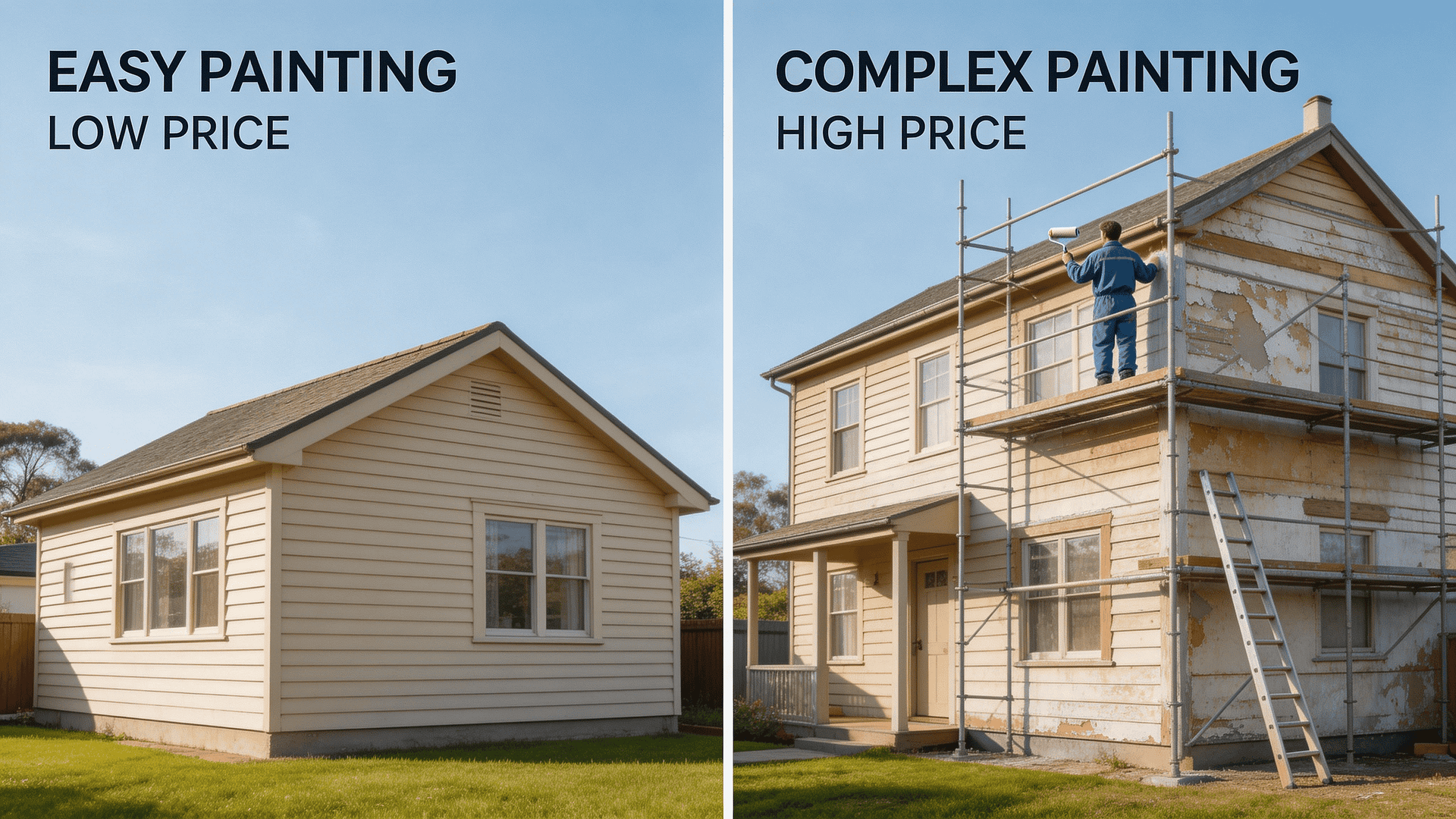
A home that looks “pretty normal” from the street can still take significantly longer to paint if the walls are chalky, the timber is cracked, the old coating is peeling, the eaves are awkward to reach, or the prep work is heavier than expected. That is why two houses of similar size can still end up with very different painting quotes.
The short version? The biggest cost drivers in house painting are usually surface condition, preparation, access difficulty, project size, coating system, and labour time. Paint matters, but it is rarely the only thing that matters most.
Want a faster starting point before reading every line?
If you are comparing house painting cost factors and want a practical number range first, these are the two most useful pages to open. One gives you a broad whole-house estimate. The other helps when the main cost question is on the outside of the home.
Whole House Painting Cost Estimator
Best when you want a broader estimate that includes the kind of big-picture cost logic most homeowners are actually looking for.
Open the Total House CalculatorExterior Painting Cost Calculator
Best when your main concern is cladding, weatherboards, access, exterior prep, or the outside repaint cost of the property.
Check Exterior Painting CostsThe biggest factors that affect house painting cost
Let’s get into the real answer. Below are the factors that usually have the strongest influence on house painting cost and on the final painting quote. Some are visible immediately. Others only become clear once the surface is washed, checked, or tested more closely.
1) Surface condition and repair needs
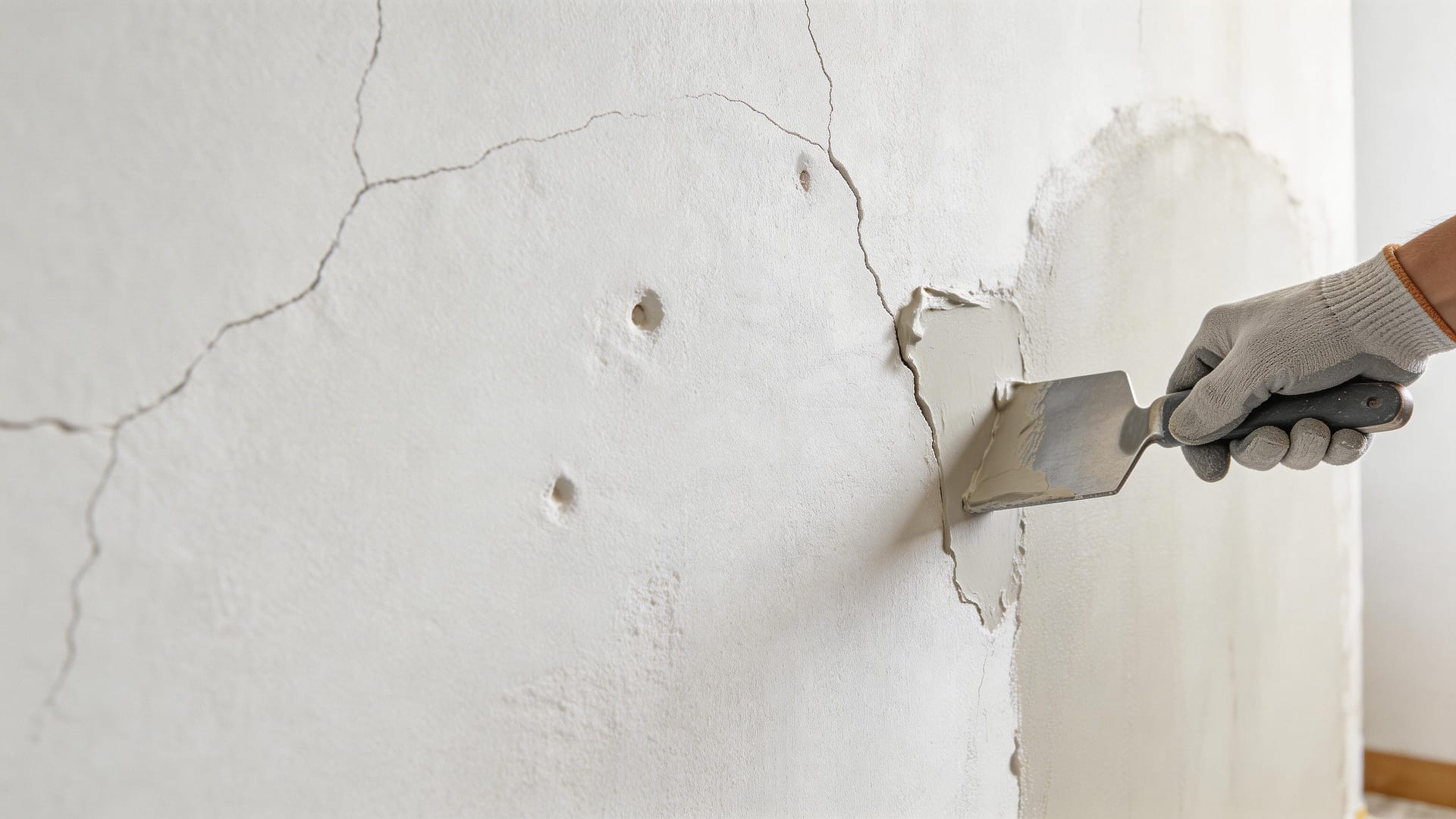
This is often the most underestimated part of the whole job. A house with solid, stable, previously well-maintained surfaces is far cheaper to paint than a house with peeling coatings, cracks, water damage, old fillers failing, or timber movement. That is because the paint job only performs as well as the surface underneath it.
If the substrate is rough, flaky, damaged, or unstable, the painter has to spend more time scraping, sanding, filling, patching, sealing, and spot priming before the finish coats even begin. That additional prep is one of the clearest answers to the question what affects house painting cost the most.
2) Prep work required before painting
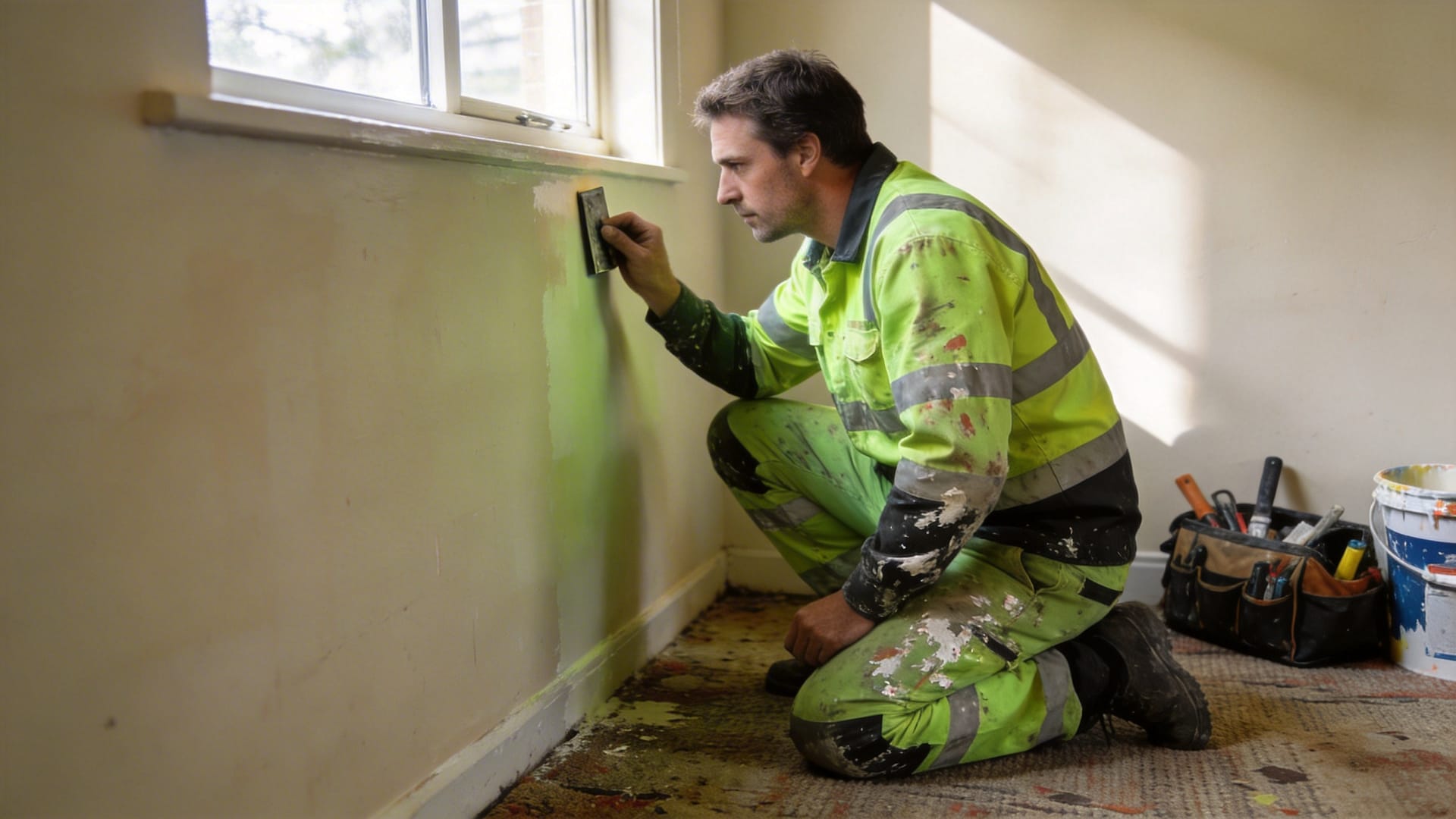
Even when repairs are minimal, preparation still affects pricing in a big way. Washing down the house, treating mould, protecting floors, masking windows, sanding glossy areas, sealing stains, and doing careful cut-in work all take time. And in painting, time is money.
Homeowners sometimes compare two quotes and think one painter is expensive, when the actual difference is that one quote includes the prep properly and the other does not. If you are trying to understand what affects house painting cost the most, ask not only what will be painted, but also how much prep is included first.
3) Size of the house and actual paintable area
Yes, size matters. But total floor area is not always the best way to think about painting cost. A better question is: how much paintable area is there, and how complicated is it? A compact modern home with cleaner lines can be more efficient to paint than a smaller older home packed with trims, ornate timber, narrow access points, and difficult corners.
This is why cost discussions often shift from general house size to paintable surface area, detail level, and labour hours.
4) Interior vs exterior scope
Interior painting cost and exterior painting cost are not driven by exactly the same pressures. Interiors can involve furniture moving, stain blocking, ceiling height issues, and detailed trim work. Exteriors bring in weather exposure, access equipment, washing, safety planning, and sometimes more aggressive prep.
So when people ask what affects house painting cost the most, the first split is often whether the job is mostly inside, mostly outside, or a full-house repaint.
5) Access difficulty and building height
Easy access keeps costs lower. Hard access pushes them up. Simple as that. A single-level home with clear ground access is easier to paint than a two-storey home on a sloping section, especially if ladders, edge protection, scaffolding, or extra safety setup is required.
Even smaller things make a difference here: tight side paths, conservatories in the way, heavy landscaping, awkward roof lines, and fragile surfaces that slow movement around the property.
6) Type of surface and level of detail
Smooth plaster, weatherboards, brick, fibre cement, timber trims, window frames, doors, balustrades, soffits, fascias, and decorative details all behave differently. Some need more cutting in. Some hold more dirt. Some are faster to coat. Some soak up more product. Some simply take longer because there is more edge detail per square metre.
The more detail the painter has to work around, the higher the labour component tends to be. That is why the type of cladding or surface profile can noticeably affect house painting cost.
7) Number of coats and coating system
Not every repaint is just “two coats and done.” Some jobs need spot priming. Others need a full primer, undercoat, and finish system. A dark colour change to a light colour can need extra coverage. Fresh plaster or bare repairs can need sealing first. Exterior areas exposed to harsher conditions may need a more robust system.
Once again, the biggest cost driver is not only the paint tin price. It is the total coating process required to get a finish that lasts.
8) Labour time and quality standard
In most residential painting projects, labour is one of the largest cost components. A fast cosmetic repaint done to a basic standard is not the same as a careful, durable finish with solid prep and tidy detailing.
This is where homeowners need to be careful. A cheaper quote might be cheaper because the painter works efficiently and has lower overheads. But it can also be cheaper because the scope is lighter, the prep is minimal, or the finish standard is lower.
A simple table: which factors usually move the price most?
This table gives a practical way to think about what affects house painting cost the most. It is not a fixed pricing chart, but it does show which parts of a job tend to have the biggest influence on the final number.
| Cost Factor | Why It Matters | Typical Impact on Painting Quote |
|---|---|---|
| Surface condition | Peeling paint, cracks, water damage, unstable old coatings, or weathering create more labour before painting starts. | Very high |
| Prep work | Washing, scraping, sanding, masking, priming, and protection can take a large share of the total job time. | Very high |
| Access and height | Scaffolding, ladders, safety setup, or tricky site conditions slow the project and raise cost. | High |
| House size | More area usually means more labour and materials, but complexity still matters alongside size. | High |
| Surface type and detail | Weatherboards, trims, windows, doors, and detailed profiles take longer than broad flat areas. | High |
| Number of coats | Extra coverage, primer systems, or difficult colour changes increase product and labour time. | Medium to high |
| Interior or exterior scope | Exterior jobs often bring more access and weather-related complications. | Medium to high |
| Paint quality | Better coatings cost more, though material cost alone is usually not the whole story. | Medium |
In many real-world jobs, the biggest quote difference comes from labour-heavy preparation rather than just material price.
Why two painting quotes can be so different
This is one of the most common homeowner frustrations. Two painters look at the same property, then come back with very different numbers. So what is going on?
Often, they are not actually pricing the same thing. One may allow for a full wash, detailed prep, premium coating system, and repairs. Another may assume the surfaces are already in reasonable condition and price the job more lightly. One may include difficult trims and hidden elevations. Another may focus only on the main visible areas.
This is also why it helps to understand why painting quotes vary so much in New Zealand before choosing between contractors. Sometimes the difference is not just the painter’s hourly rate. It can come down to how carefully they inspect the home, how much preparation they allow for, what coating system they recommend, and how clearly they define the final scope.
That is why the best way to compare a house painting quote is not just by the total. Compare the scope, the prep, the repairs, the number of coats, the areas included, and whether access equipment is part of the price.
If you are comparing quotes, the smartest question is not “Which one is cheapest?” It is “Are these quotes allowing for the same level of preparation and finish?”
What homeowners usually overlook when budgeting for house painting
Hidden issue #1: prep is not optional
A lot of people assume prep is a small part of the job. In many repaints, it is actually one of the biggest parts. Poor prep can shorten the life of the finish, which means “saving money” upfront may not save money at all.
Hidden issue #2: exterior exposure matters
Houses facing harsh sun, driving rain, coastal air, or high moisture conditions can need more attention. Even when the house is not huge, weather exposure can increase the level of work required to get a long-lasting result.
Hidden issue #3: details take time
Window trims, door frames, balustrades, soffits, and ornate architectural features are slower than open wall space. Homeowners often notice the big walls. Painters notice the details around them.
Hidden issue #4: colour changes can add work
Going from dark to light, covering strong old colours, or trying to achieve a very even modern finish can require additional work. This is especially relevant on older interiors or exteriors where the previous coating has aged unevenly.
Hidden issue #5: access can be expensive without looking dramatic
A small area high up on a house can cost more than a larger easy-access area lower down. The labour slows, setup grows, and safety requirements increase. This is one of the least visible but most important answers to what affects house painting cost the most.
Hidden issue #6: not all “full repaint” jobs mean the same thing
Some homeowners mean walls only. Some mean walls, ceilings, trims, doors, and windows. Some mean the whole house inside and out. Scope clarity matters, because a broad phrase can hide a lot of pricing variation.
How to reduce house painting cost without cutting corners
Understanding what affects house painting cost the most can also help you control it. Not by stripping the job down to the point it fails, but by making better decisions on timing, scope, and expectations.
In other words, the best way to manage house painting cost is not to ignore the major cost drivers. It is to understand them early enough to make better choices.
FAQ: What affects house painting cost the most?
What affects house painting cost the most overall?
The biggest influences are usually surface condition, preparation work, access difficulty, project size, level of detail, and labour time. Paint quality matters too, but in many residential jobs the largest cost differences come from how much work is needed before and around the painting itself.
Is prep work really that important in painting cost?
Yes. Prep work is often one of the largest parts of the project. Scraping, sanding, filling, masking, washing, mould treatment, and priming can add a lot of labour time. It is also one of the main reasons two painting quotes can look very different.
Does house size matter more than condition?
Not always. A larger house usually costs more, but a smaller house in poor condition can still be more labour-intensive than a larger house in good condition. Size matters, but condition and complexity often matter just as much.
Why is exterior house painting often more expensive?
Exterior jobs often involve more washing, weather exposure, safety setup, awkward access, ladders or scaffolding, and more difficult preparation. That is why exterior house painting cost can rise quickly even when the property does not seem unusually large.
Do more coats always mean a much higher cost?
Extra coats do increase cost, but usually because they add labour time as well as material use. A coating system with primer, undercoat, and topcoats will cost more than a basic repaint with only finish coats.
How can I tell if a painting quote is missing something important?
Look closely at what is included: prep, repairs, number of coats, surfaces covered, access equipment, and finish standard. A cheaper quote is not automatically wrong, but it can sometimes leave out major parts of the job.
Final thought
If you came here asking what affects house painting cost the most, the real answer is this: it is usually not one single thing. It is the combination of condition, prep, access, detail, and labour intensity that shapes the final price.
That is actually good news. Because once you understand those factors, painting quotes start making a lot more sense. You stop looking at the total in isolation and start seeing what is behind it.
And that is exactly how homeowners make better decisions, whether they are budgeting for a full repaint, comparing quotes, or simply trying to understand why one house costs so much more to paint than another.