Painting Quote vs Estimate in NZ – What’s the Difference?
Many homeowners in New Zealand use the words painting quote and painting estimate as if they mean the same thing. In real life, they do not always mean the same thing at all. One is usually a rough early-stage price guide. The other is often a more formal number based on clearer job details, site conditions, and a defined scope of work. Knowing the difference can help you compare prices properly, avoid nasty surprises, and decide when an online painting calculator is useful and when you need a detailed contractor quote.

Put simply, a painting estimate in NZ is usually an approximate cost based on limited information, while a painting quote in NZ is normally a clearer and more fixed price based on a defined job scope. That sounds simple, but a lot of confusion starts when homeowners compare one painter’s estimate against another painter’s quote and assume they are directly comparable.
A painter may give you a quick estimate over the phone, by email, or after seeing just a few photos. That can be useful for early budgeting. A proper quote usually comes later, after the painter looks at the surfaces, checks access, assesses repairs, confirms prep work, and defines exactly what is included. The more detail you have, the less guesswork there is.
At a glance
Painting Quote vs Estimate in NZ: side-by-side comparison
| Feature | Painting Estimate | Painting Quote |
|---|---|---|
| Purpose | Budget planning and rough cost guidance | Formal price for a defined job |
| Accuracy | Less exact, more flexible | Usually more specific and reliable |
| Information required | Basic size, photos, rough description | Detailed scope, condition check, access details, prep requirements |
| Risk of change | Higher if hidden issues appear | Lower, though variations can still happen if scope changes |
| Best timing | At the research or planning stage | When you are ready to approve the work |
| Typical format | Range, ballpark, preliminary figure | Itemised or written scope with a price |
What is a painting estimate in NZ?
A painting estimate is usually a preliminary cost guide. It helps answer the homeowner’s early question: “Roughly how much might this painting job cost?” That makes estimates useful when you are still researching, comparing options, or deciding whether to paint now or later.
Estimates are often based on broad information such as house size, number of rooms, exterior cladding type, whether the job is interior or exterior, and whether the property looks in average or poor condition. At this stage, the painter may not yet know how much sanding is required, whether there is peeling paint under the surface, whether scaffolding is needed, or how much repair work will slow the job down.
That is why an estimate can be very helpful without being final. It gives you a realistic starting point, not a contractual promise. In other words, a painting estimate in NZ is best seen as a decision-making tool rather than the last word on price.
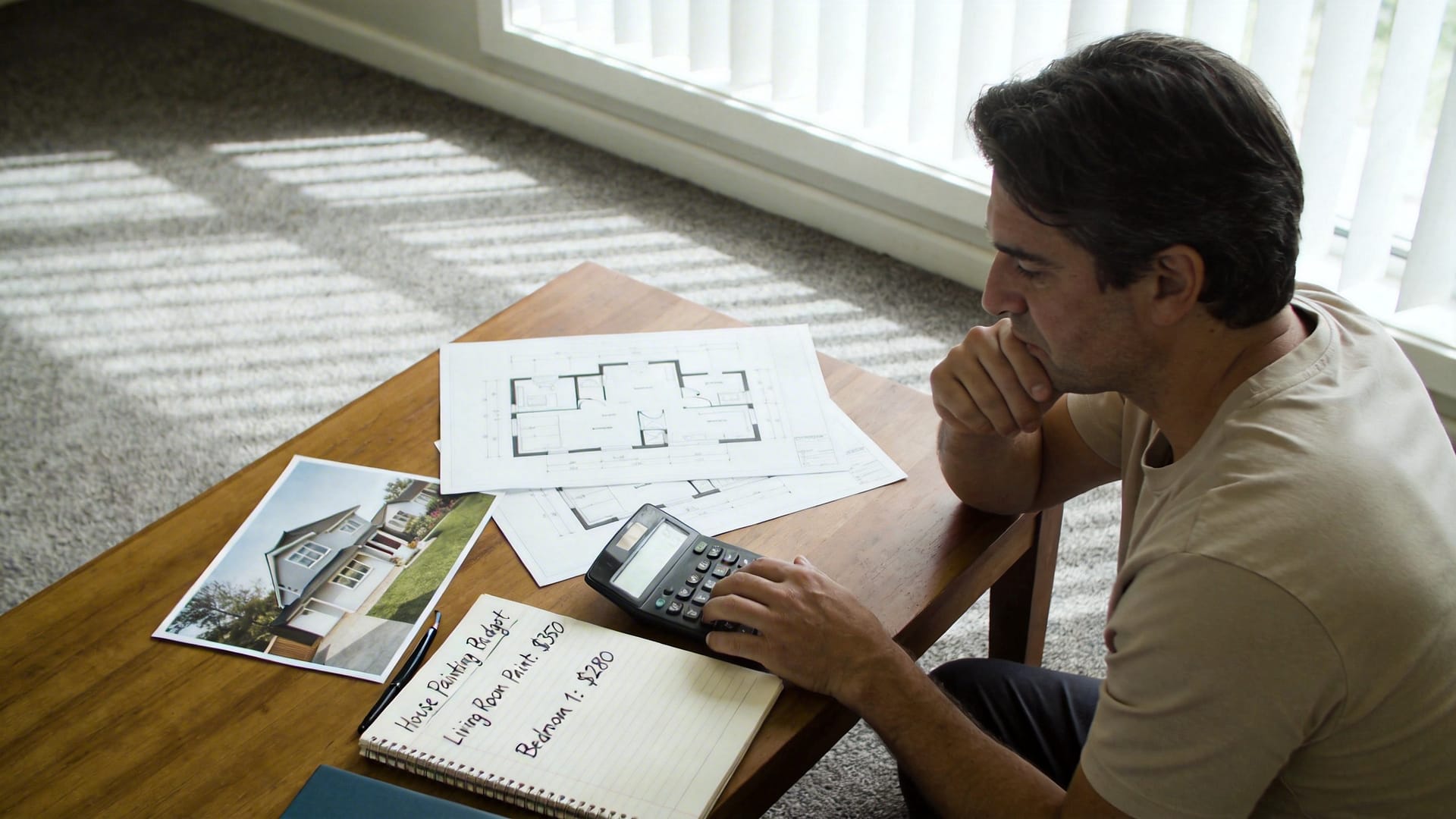
Why estimates matter before you ask for formal quotes
Many homeowners jump straight into requesting quotes from painters before they even know whether their expected budget is realistic. That can waste time for both sides. A solid estimate helps you understand whether your project is likely to sit in a lower, middle, or higher price range before you go into the full quoting process.
This is exactly where a calculator-based estimate can be useful. For example, if you need a quick guide across multiple areas of a property, the Painting Cost Estimator NZ homepage is the best fit because it works as a broader all-in-one starting point. It helps you form a realistic budget before you request a formal painting quote in NZ.
What is a painting quote in NZ?
A painting quote in NZ is usually more formal and more detailed than an estimate. It tends to be based on a much clearer scope of work. That means the painter has had a chance to understand the property properly and price the job with fewer unknowns.
A proper quote may specify what surfaces are included, how many coats are planned, whether prep work is included, what sort of repairs are allowed for, which areas are excluded, and whether the price assumes easy access or not. If you are unsure how this is normally handled, it is worth reading more about whether a painting quote includes prep work in NZ, because prep is often one of the biggest reasons two quotes can look very different.
This does not mean every quote is automatically fixed beyond any change. If the scope changes, or if hidden damage appears once work begins, the final cost can still move. But compared with a simple estimate, a quote is normally a much firmer basis for decision-making.
Need a fast estimate before you request a house painter quote?
For exterior projects, the Exterior Painting Cost Calculator is the most relevant supporting tool for this topic. It helps you get a realistic early figure for weatherboard, brick, and other common exterior painting jobs in New Zealand before you move on to a full written quote from a contractor.
Why the same painting job can have both an estimate and a quote
This is where a lot of people get tripped up. They assume the painter is changing their mind or increasing the price unfairly. In reality, the earlier number may have only been an estimate, while the later number is a quote based on a better understanding of the work involved.
Imagine a homeowner asks for a rough exterior repaint price based on a few photos. The painter gives an estimate. Later, after inspecting the house, the painter finds flaking weatherboards, difficult access on one side, and more prep work than expected. A formal quote will naturally reflect those real site conditions. That does not necessarily mean the painter is inconsistent. It often means the job is now being priced properly. In some simpler cases, a painter may still be able to price the job remotely, but only when the information is good enough. For a closer look at that situation, see whether you can get a painting quote without a site visit.
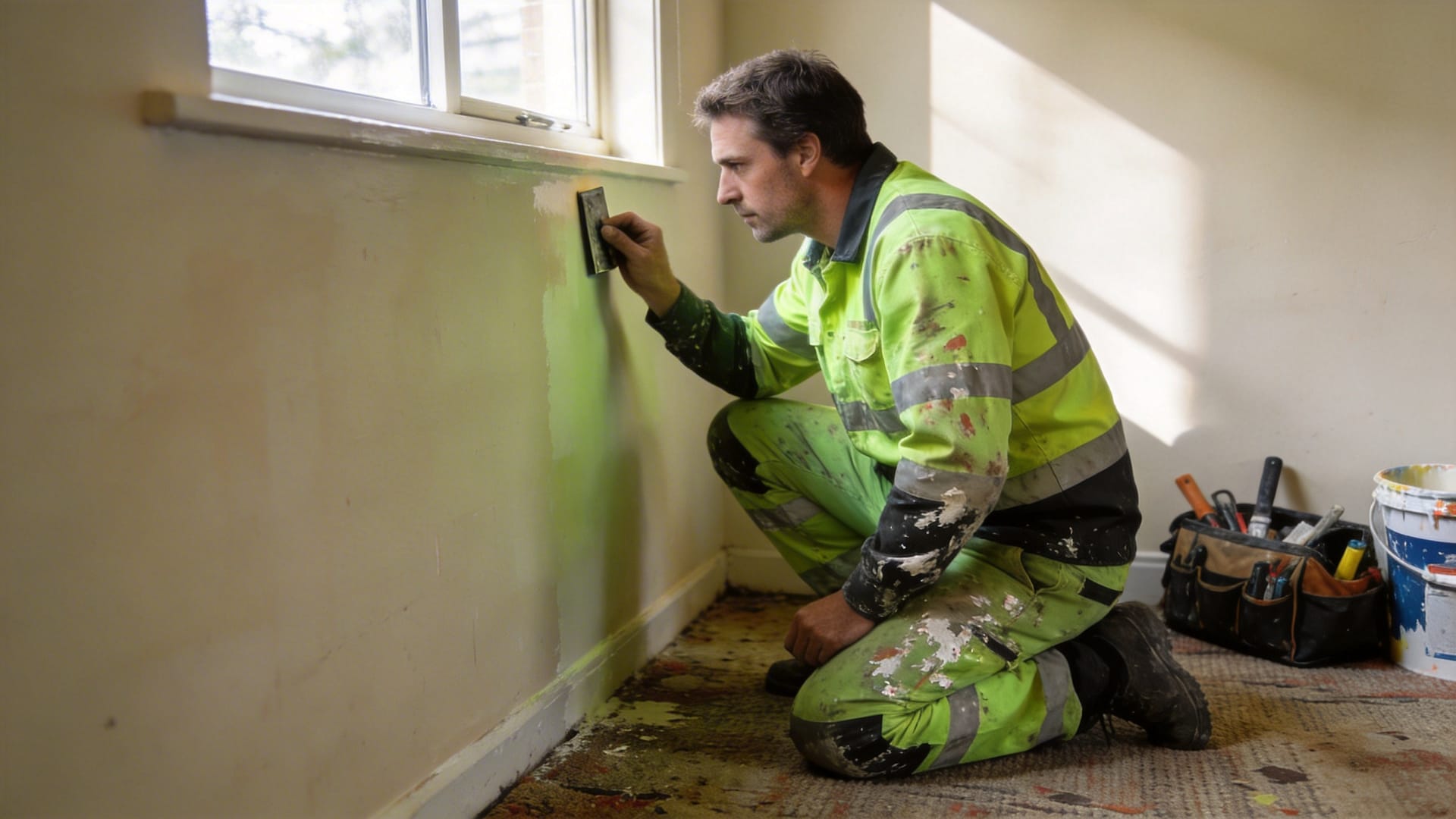
What usually affects the difference between a quote and an estimate?
Surface condition
Peeling paint, cracks, water staining, rotten timber, or damaged plaster can push a rough estimate upward once the real prep work becomes clear.
Access and safety
Two-storey sections, steep ground, tight access, and scaffold requirements can all change the final price from a simple painting estimate in NZ.
Scope clarity
Are soffits included? Window frames? Fences? Repairs? Trim? The more complete the scope, the more a rough estimate becomes a reliable quote.
Coating system
Primer, stain blocker, special roof coatings, mould treatment, and premium products all affect what the final quote looks like.
Job timing
Urgent scheduling, weather windows, and staging constraints can influence labour costs, especially for larger exterior painting work.
Hidden work
Some hidden costs only appear once the painter gets on site. Estimates cannot always fully account for issues that are not yet visible.
Which one should you ask for first?
In most cases, the smartest order is:
This approach makes especially good sense for larger projects such as exterior repainting, where prep requirements and access conditions can meaningfully shift the final number. Before you compare final prices, it also helps to understand how to get an accurate painting quote in New Zealand, because the quality of the information you provide can directly affect how useful the quote is.
Common mistakes homeowners make when comparing painters
Comparing a quote with an estimate
This is one of the biggest traps. A rough number and a formal written price are not the same level of commitment, so they should not be treated as equal. If you are looking at several prices side by side, it is worth checking the scope, exclusions, prep work, and assumptions behind each number rather than judging by the total alone. For a more practical breakdown, see this guide on how to compare painting quotes in NZ.
Ignoring what is excluded
One painter may exclude repairs, scaffold, or some trim details while another includes them. The price difference may simply reflect a different scope.
Focusing only on the cheapest number
A low number can look attractive, but if it is only a vague estimate and not a proper quote, it may not reflect the real job cost.
Skipping the early budgeting stage
Without an early estimate, you may not know whether the project fits your budget before you invest time in multiple quoting visits.
A practical NZ example
Let’s say you own a typical Auckland weatherboard home and want to repaint the exterior. You send through a few photos and ask for a price. A painter replies with an estimate range. That is normal. At that point, they may still not know whether there is heavy flaking, whether access on the rear boundary is difficult, or whether there is significant prep around old trim and windows.
Once the painter visits the property and sees the real condition, they send a written quote. The quote is higher than the first estimate. Many people immediately assume the painter is inflating the job. But if the site inspection revealed additional prep, washing, scraping, sanding, or minor repair work, the updated price may simply be more honest and more complete.
That is exactly why the phrase painting quote vs estimate in NZ matters so much. The estimate helps you enter the conversation. The quote helps you make the decision.
FAQ: Painting quote vs estimate in NZ
Is an estimate legally binding?
Usually, a painting estimate is not treated the same way as a formal written quote. It is generally an approximate guide rather than a final commitment. That is why it is important to confirm scope and request a proper quote before approving the work.
Can a painting quote still change?
Yes, a quote can still change if the scope changes, if you add extra work, or if hidden issues are discovered that were not visible at the quoting stage. Even so, a quote is normally much firmer than a basic estimate.
Why do painters give estimates first?
Because many jobs start with limited information. A painter may not want to promise a fixed price before seeing the property properly. An estimate lets them provide useful guidance without pretending to know every detail too early.
Should I use an online calculator or ask a painter directly?
They work best together. An online calculator is excellent for early budget planning. A painter’s quote is better when you are close to booking the work and need a clear written price based on the actual property.
What should be included in a proper painting quote in NZ?
A proper quote should make it clear what areas are included, what prep work is allowed for, whether repairs are included, how many coats are planned, whether materials are included, and what assumptions the price is based on.
Is a cheaper estimate always better?
Not necessarily. A very low estimate can simply mean the scope is not well understood yet. It may be less complete rather than genuinely better value. Always compare like with like.
Final word
If you remember only one thing, let it be this: a painting estimate in NZ helps you plan, while a painting quote in NZ helps you commit. They are related, but they do different jobs.
Start with an estimate when you are still working out the numbers. Move to a formal quote when the scope is clear and you are ready to compare painters properly. That one distinction can save you confusion, help you budget more accurately, and make the whole painting process far more straightforward.