How to Get an Accurate Painting Quote
If you’ve ever asked a few painters for prices and wondered why one quote feels surprisingly low, another feels vague, and a third seems much higher than expected, you’re not imagining things. In New Zealand, painting quotes can vary quite a lot, even for homes that sound similar on paper. At first glance, it seems simple, but once prep work, access, repairs, and surface condition come into it, the picture changes quickly.

A lot of people assume that getting a painting quote is mainly about size. A three-bedroom house is a three-bedroom house, right? A room is just a room. But what surprises many homeowners is that painters are not only pricing the visible area. They are also pricing how much work it takes to get that area ready, how easy it is to reach, what kind of finish is expected, and how much uncertainty sits behind the job.
That is really the heart of an accurate painting quote. It is not only a number. It is a realistic summary of the actual work involved. And once you look at it that way, it becomes easier to understand why painting quotes can look so different, why some are quick but not very dependable, and why the cheapest quote does not always turn out to be the most economical one.
Why painting quotes can look so far apart
You might notice that one painter can give you a number within a few minutes, while another wants photos, room details, and sometimes even a site visit before they say much at all. That difference can feel annoying when you are just trying to compare prices, but it usually tells you something important.
A quick quote can be helpful as a rough starting point. There is nothing wrong with that. In fact, many property owners and landlords want a fast ballpark figure just to see whether a job might be in the hundreds, low thousands, or well beyond that. The problem comes when a rough figure gets mistaken for a reliable quote. For smaller or more straightforward jobs, it is sometimes possible to start without an in-person inspection, but it helps to understand when you can get a painting quote without a site visit and when photos alone may not be enough.
Let’s say you ask for an exterior painting quote for a timber home in New Zealand. From a distance, it might look straightforward. But once someone actually checks the house properly, they may find peeling paint, weathered weatherboards, damaged caulking, water marks near windows, or awkward access around high gables and sloping ground. Suddenly, the job is not just “paint the outside.” It is washing, scraping, sanding, repairing, priming, setting up safely, and then painting.
This is especially common in older New Zealand homes. A newer townhouse with decent surfaces and easy access can sometimes be quoted fairly neatly. An older weatherboard house, a rental with wear and tear, or a property being prepared for sale can be much less predictable. That difference alone can move the price by a meaningful amount.
Why some quotes come fast but still aren’t very accurate
It’s actually quite common to get a quick price over the phone or after sending a short message. And to be fair, that can still be useful. If you simply want a rough idea, a fast estimate can help you decide whether to go further. But a fast answer is not always a precise one.
The reason is simple. A painter can only quote accurately based on what they know. If the information is thin, the quote is usually built on assumptions. Those assumptions may be optimistic. They may assume the walls are in reasonable condition, the timber is sound, the access is easy, and the old paint system is stable. If those assumptions turn out to be wrong, the quote often changes later.
That is why people searching for painting quote NZ or how to get a painting quote are often not just looking for a number. They are looking for a number that will actually hold up once the work begins.
A rough estimate answers: “What sort of budget might this job sit in?”
A more accurate painting quote answers: “What is this specific job likely to cost once the real conditions are taken into account?”
What affects painting quotes more than people expect
If you’ve ever wondered what affects painting quotes, the answer usually comes down to a handful of things that keep showing up again and again. And interestingly, many of them have nothing to do with the actual litres of paint.
Surface preparation
Prep work changes everything. This might include washing, mould treatment, scraping peeling paint, sanding rough areas, filling cracks, patching dents, spot priming, masking, and protecting floors or nearby surfaces. In many cases, prep is where a large portion of the labour sits. If a quote looks light, one of the first things worth checking is whether the painting quote includes prep work, because this is often where cheap and realistic quotes start to separate.
Condition of the substrate
Old plaster, tired gib repairs, brittle weatherboards, water damage, soft timber, and failed sealant lines can all change the quote. A room that looks fairly normal in a phone photo may take much longer in person if the walls need a lot of making good first.
Access difficulty
Exterior work is often affected by access far more than homeowners expect. A house on a slope, tight side access, tall walls, awkward roof shapes, or sections that need more careful ladder setup can all add labour and risk. The same is true with roofs, where safety and reach matter a lot.
Number of coats and colour change
A lot of people assume one repaint is much like another, but changing from dark to light, covering stains, or trying to achieve a more premium finish can mean extra coats and more time. That affects both materials and labour.
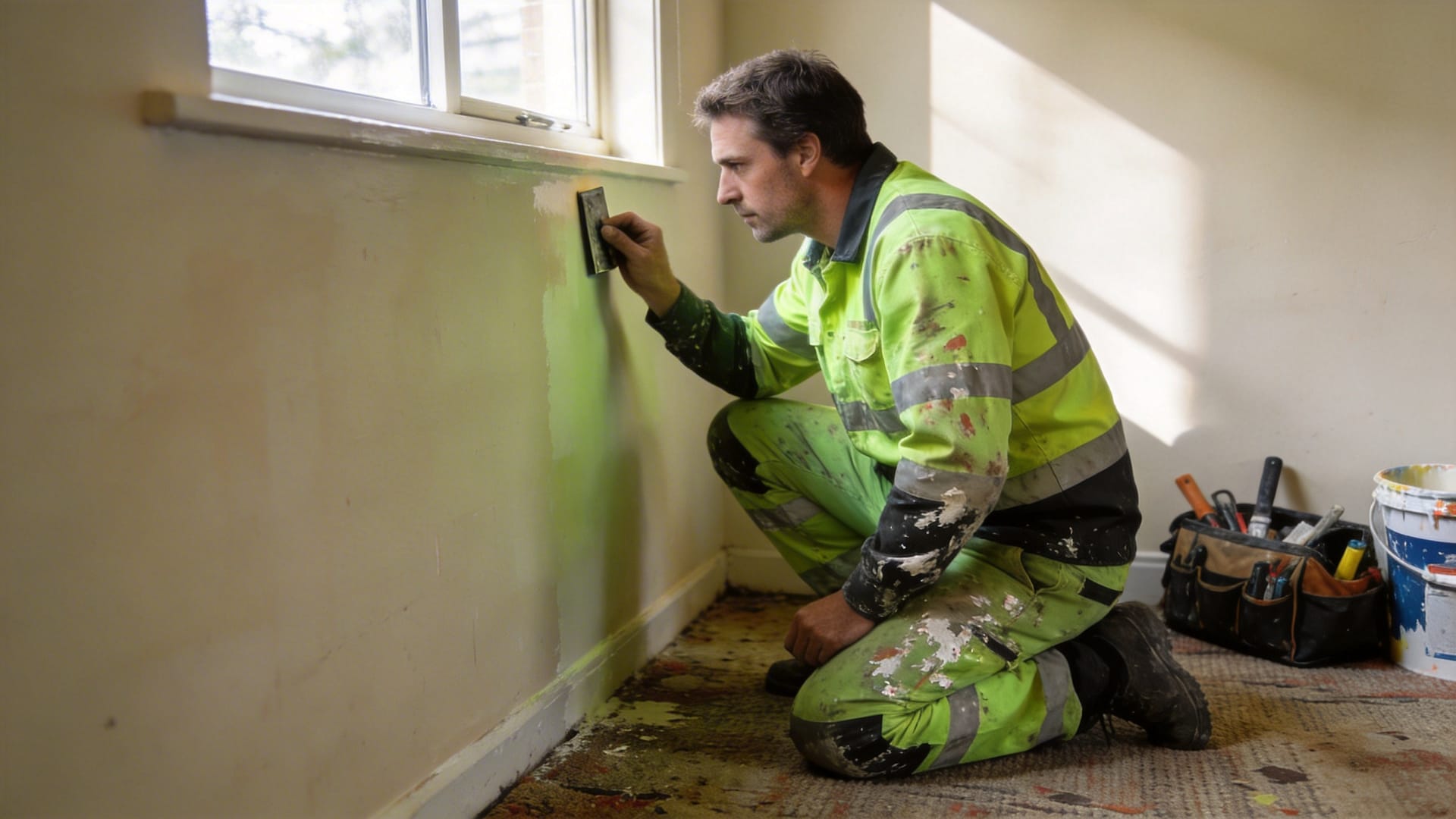
The small conclusion here is that paint itself is only part of the picture. When people ask how painters calculate quotes, they are really asking how painters calculate time, difficulty, risk, and finish quality.
How to help a painter give you a more accurate quote
The nice thing is that this part is not complicated. If you want a more accurate painting quote, you do not need perfect technical language. You mainly need to reduce uncertainty.
Clear photos help a lot. Wide shots show scale and layout. Close-ups show condition. If there is peeling paint, cracked plaster, timber damage, stained ceilings, rough patches, or weathered areas, those are exactly the things worth showing.
It also helps to be clear about what is included. Is it walls only? Walls and ceilings? Trim, doors, soffits, fence rails, or deck handrails too? Is this an interior repaint, an exterior repaint, a roof project, a fence repaint, or a deck refresh? A vague scope usually leads to a vague quote.
And then there is the human side of it. Your goal matters. A landlord trying to tidy a rental between tenants may be aiming for a budget-conscious refresh. A seller preparing a house for the market may want the place to present as clean and bright without overcapitalising. A homeowner planning to stay long-term may want a better finish and more thorough prep. Those are not the same jobs, even if the same surfaces are being painted.
Timing is worth mentioning as well, because it can quietly affect both the quote and the way the project is planned. A painter may price or schedule the job differently depending on whether it is a single room, a full interior repaint, an exterior repaint waiting on dry weather, or a bigger pre-sale refresh with a tight deadline. If you are still working out the practical side of the job, this guide on how long it takes to paint a house can give you a more realistic sense of what painters are allowing for behind the quote.
What surprises many people is that the best quotes often come from painters who ask slightly more questions at the start. That usually means they are trying to price the real job rather than the easiest possible version of it.
Painting estimate vs quote: the difference matters more than it sounds
This is one of the biggest sources of confusion. A lot of people use the words estimate and quote as if they mean the same thing, but in practice they often do not. If you are comparing prices seriously, it is worth taking a moment to understand the difference between a painting quote and an estimate in NZ, because it affects how much certainty you can place on the number you have been given.
Estimate
A painting estimate is usually a guide price. It is useful when you are still exploring the project and only want to know roughly what kind of budget you may be looking at.
Quote
A quote is usually more specific. It should make clear what is included, what is excluded, and what assumptions the price is based on.
That means a painting estimate vs quote comparison is not just about wording. It is about certainty. A quick estimate may be enough early on. But when you are seriously comparing painters, a written quote is usually far more useful than a verbal number or a rough text reply.
Why written quotes are usually better than verbal quotes
A verbal quote can sound reassuring because it is fast and simple. But once the job is more than a very small touch-up, written details become important. They help both sides stay on the same page.
For example, if one painter says “around $4,500” and another says “$5,800,” that tells you very little by itself. But if the second quote clearly includes more prep work, patch repairs, two finish coats, better access setup, and detailed exclusions, then you are not really comparing like for like.
That is why one of the most useful questions is not “Which one is cheaper?” but “What exactly have you allowed for?” A clearer written quote often makes the difference between a smooth project and an awkward surprise halfway through.
What should be included in a painting quote?
When people search for what should be included in a painting quote, they are usually trying to avoid hidden costs. Fair enough. A decent quote does not need to be overly complicated, but it should cover the essentials clearly enough that you can compare it with another one.
| Quote element | Why it matters | How it helps quote accuracy |
|---|---|---|
| Scope of work | Shows exactly which areas are included | Stops misunderstandings around walls, ceilings, trims, doors, fences, roofs, or decks |
| Prep work allowed for | Prep often drives a big part of labour cost | Makes it easier to see whether the quote is realistic or too light |
| Repairs and surface condition | Old homes often need more making good | Reduces the chance of variations once work starts |
| Number of coats | Affects finish quality and durability | Helps explain why two quotes may not be directly comparable |
| Access assumptions | Exterior and roof work can change a lot with access | Makes steep sites, high walls, or awkward areas less likely to surprise later |
| Exclusions | Shows what is not part of the price | Prevents false comparisons and helps identify future extra costs |
A simple conclusion here is that a quote becomes more accurate when it is more specific. Not because detail is fancy, but because detail reduces guessing.
Different project types behave differently
Not every painting job is quoted in the same way, and this is where context matters. An interior painting quote is often easier to assess from photos and room descriptions, especially in a reasonably modern home. An exterior painting quote can be much more sensitive to access, weathering, substrate condition, and localised repairs.
Roofs, fences, and decks sit in their own category too. A roof may need rust treatment, safe access, and a specialist coating system. A fence might sound simple, but once washing, rough timber, lineal length, and both sides are considered, the labour can stack up. A deck may look small while still needing a decent amount of cleaning, sanding, and finishing prep.
This is why house painting quote New Zealand searches often bring up very mixed price discussions. People may be talking about completely different project types, conditions, and expectations.
How much does house painting cost NZ? A realistic way to think about it
This is the question almost everyone wants to get closer to, even if they are being polite about it. And the honest answer is that there is no single magic figure, because price really does depend on condition, prep, scale, and access.
Still, it helps to think in broad ranges. A smaller interior repaint, such as one or two rooms in decent condition, may sometimes sit in the high hundreds or low thousands of NZD. A more complete interior repaint for a standard family home can run several thousand NZD depending on ceilings, trim, doors, repairs, and finish level.
Exterior repainting usually has wider variation. A modest home in good condition with straightforward access may stay within a manageable range, while an older timber home with peeling paint, repair needs, and harder access can rise much more quickly. Roof, fence, and deck jobs also vary because the condition often matters more than people first expect.
So rather than treating price like a fixed chart, it is often more realistic to think of it as a sliding scale. The more preparation, repair, and complexity involved, the further the quote tends to move.
Why the cheapest quote is not always the cheapest choice
This part matters because everyone has a budget. And in real life, that budget matters a lot. A landlord may be trying to keep costs under control. A seller may want to improve presentation without sinking too much into the property. A homeowner may be balancing painting against flooring, lighting, or other renovation work.
So yes, it makes complete sense to compare prices closely. But what often gets missed is that the lowest quote may not include the same level of prep, the same allowance for repairs, or the same finish standard.
One painter may have priced proper washing, scraping, filling, spot priming, and two finish coats. Another may have allowed only minimal prep and a thinner scope. On paper, both may look like they are quoting the same repaint. In reality, they may be pricing different outcomes.
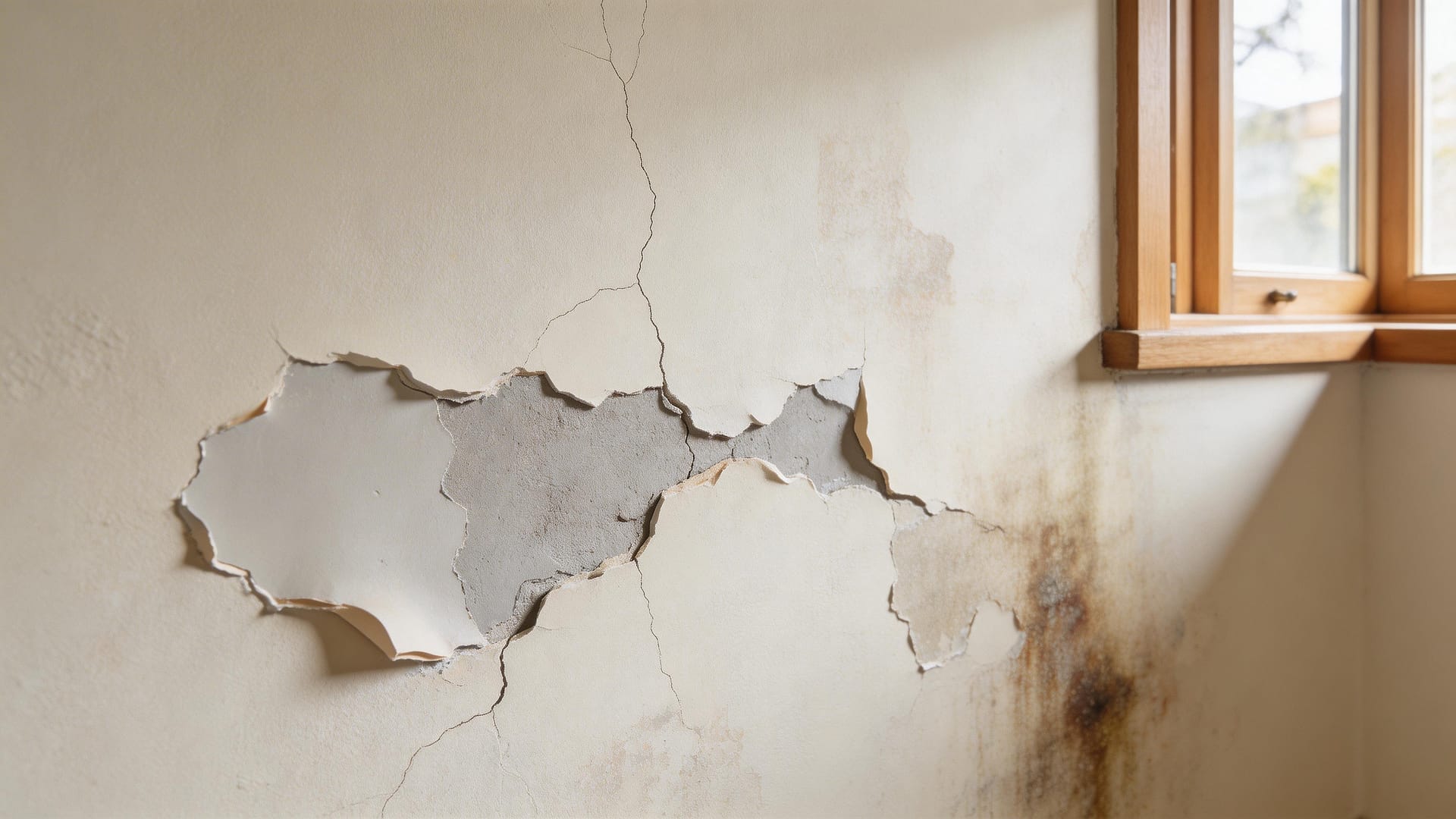
That is why the lowest number can sometimes become the most frustrating one later. If hidden issues appear and were never allowed for, the final spend can grow. Or if the prep is too light, the paint system may not hold up as well as you hoped. Neither of those feels like saving money.
Before you lock anything in, it can also help to slow the process down slightly and ask a few practical questions. Things like prep, coatings, exclusions, timing, insurance, and how variations are handled are not just small details. They often decide whether the quote is genuinely comparable. This checklist of questions to ask before hiring a painter is a useful next step if you already have one or two quotes in front of you.
Where online calculators can help, and where they can’t
Online calculators do have a place. In fact, they can be genuinely useful when you want a rough starting point before talking to painters. If you are still figuring out the budget and simply want a sensible early guide, a calculator can help you see whether a job is likely to sit closer to one bracket or another.
But a calculator is still not the same as a formal quote. It cannot see peeling paint hidden around window trims. It cannot tell whether timber is soft. It cannot judge access difficulty the way a site visit can. So it works best as an early orientation tool rather than a final decision-maker.
If you want a rough starting point for an inside job, you can try the interior painting cost calculator. If the job is outside, the exterior painting cost calculator can help you get a more grounded feel for the likely range before you look at formal quotes.
That small bit of context can actually make quote comparison much easier, because you are not going in completely blind.
Final thought
If you’ve ever felt that painting quotes are strangely inconsistent, that feeling is pretty understandable. They can be. But once you realise that painters are often pricing very different assumptions, the variation starts to make more sense.
A more accurate painting quote usually comes from clearer information, better visibility of the surfaces, more honest discussion about condition, and a quote that describes the scope properly. That is true whether you are repainting a lounge, refreshing an exterior before sale, sorting a rental between tenants, or pricing a roof, deck, or fence project.
So in the end, getting a better quote is not about chasing the fastest number. It is about getting closer to the real job.
FAQ
How do I get an accurate painting quote?
The best way is to provide clear photos, explain exactly what areas are included, mention visible issues like peeling paint or water damage, and ask for a written quote rather than relying only on a verbal number. For older or more complex homes, a site visit usually improves accuracy quite a lot.
Why are painting quotes so different for the same house?
Usually because different painters are allowing for different amounts of prep work, repairs, access difficulty, coatings, and finish expectations. Two quotes may sound like they are for the same job while actually covering different levels of work.
What is the difference between a painting estimate and a quote?
A painting estimate is generally a rough guide price. A quote is more specific and should set out what is included, what is excluded, and what assumptions the price depends on. Estimates are useful early on, while quotes are better for proper comparison.
What should be included in a painting quote?
A solid quote usually mentions the scope of work, prep allowed for, repairs or condition assumptions, number of coats, access considerations, and any exclusions. That detail helps reduce surprises later and makes it easier to compare quotes properly.
Can I get a quote from photos only?
Yes, especially for smaller or simpler jobs. But photo-based quotes are usually less accurate when the house is older, the surfaces are tired, the access is awkward, or there may be hidden repair issues. In those cases, an inspection tends to give a more dependable result.
Is the cheapest painting quote always the best value?
Not necessarily. A low quote may be good value, but it may also exclude important prep, repairs, or access costs. The better comparison is usually which quote seems to reflect the real work most clearly, not simply which number is the lowest.