Why a Cheap Painting Quote Can Cost You More
The lowest quote is only cheaper if it covers the same job. If it leaves out preparation, repairs, coats, access, protection or clean-up, the apparent saving can return as variations, defects or an earlier repaint.
This guide shows you where those extra costs hide, how to test a suspiciously low quote, and when a genuinely cheaper painter may still be the right choice.
The short answer
A cheap painting quote can cost more when the price has been reduced by reducing the scope. The job may still be described as a “full repaint”, but the document may not clearly allow for washing, sanding, filling, primer, the required coating system, difficult access or a proper final clean.
Do not reject the lowest quote just because it is low. Ask the painter to confirm the missing details in writing, then compare the same surfaces, preparation, products, coats and exclusions across every quote.
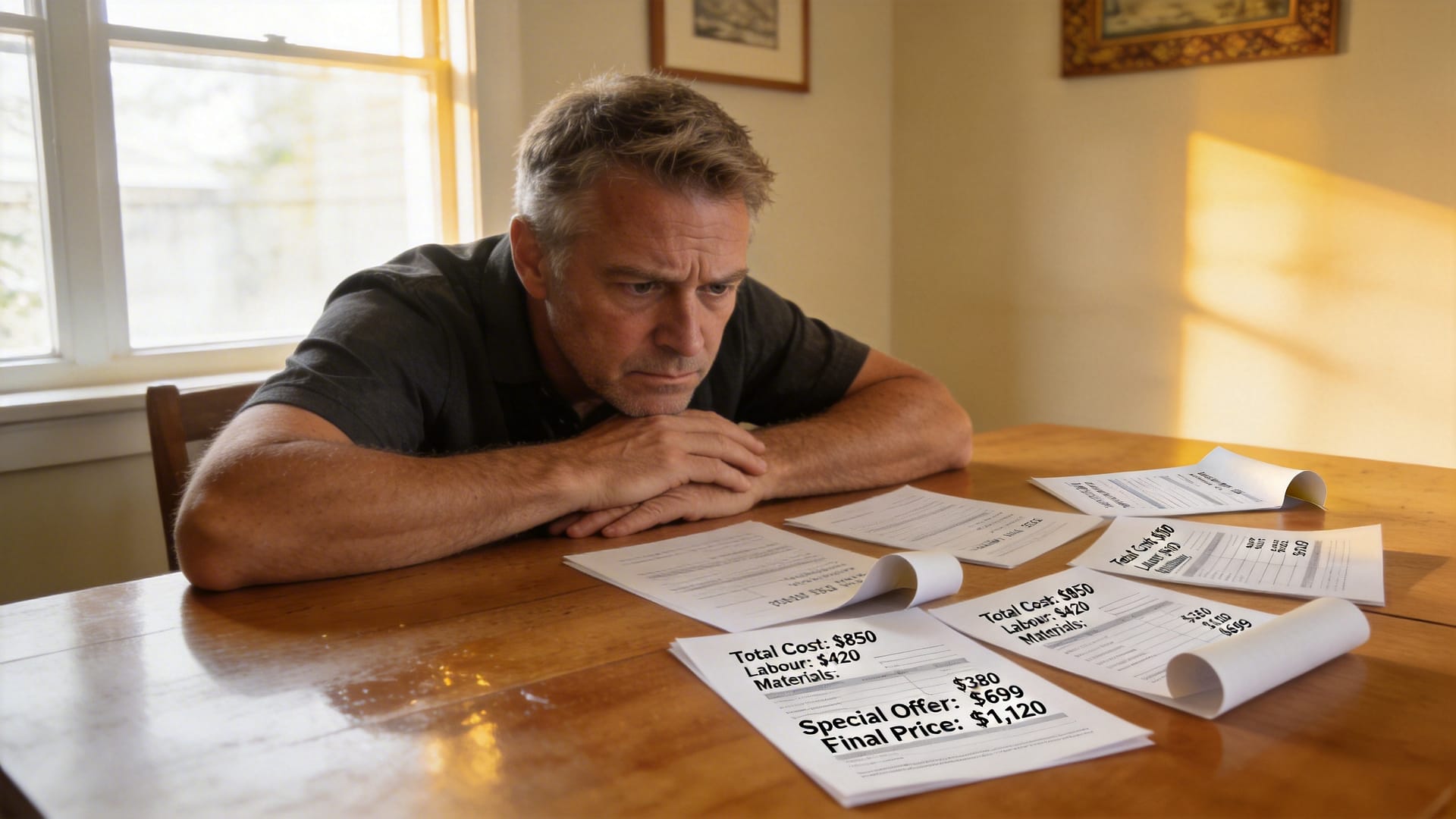
A low price is not the problem. An undefined job is.
Some painters are legitimately cheaper. They may have lower overheads, a gap in their schedule, a smaller crew or a particularly efficient process. A straightforward repaint on sound surfaces can also cost less than a homeowner expected. None of those things makes the work poor.
The risk starts when a low total is paired with vague wording. “Prepare and paint exterior” does not tell you how loose paint will be removed, whether bare timber will be primed, which windows and trims are included, how many finish coats are allowed for, or what happens if deterioration is uncovered.
That is why this page is about cheap painting quotes, not cheap painters. You cannot reliably judge workmanship from price alone. You can, however, judge whether a written scope gives both sides a clear account of the work being purchased.
The most useful comparison question: “If I choose this quote, what work or cost could still sit outside it?”
If you first need a line-by-line comparison framework, use our separate guide on how to compare painting quotes in NZ. The sections below focus specifically on how a low initial price can become a higher final cost.
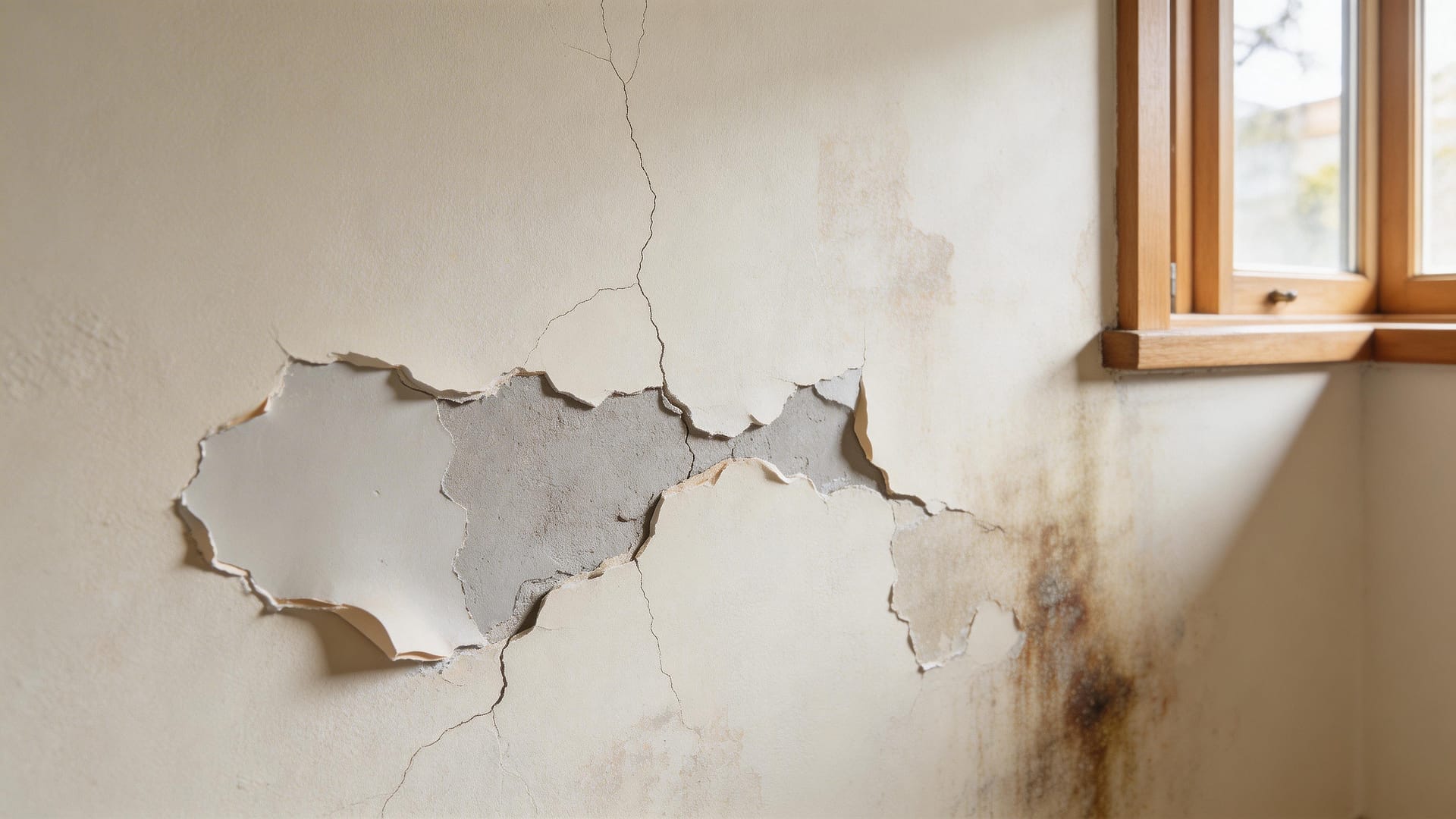
What the lowest quote may really be comparing
| Quote item | Low-detail wording | Useful written detail | Possible later cost |
|---|---|---|---|
| Preparation | “Prepare as required” | Cleaning, scraping, sanding, filling, caulking, stain treatment and spot priming stated by surface | Repair variations or early coating failure |
| Paint | “Premium paint” | Brand, product range, sheen, primer and finish system named | Upgrade charge, poor suitability or disagreement about finish |
| Coats | “Paint to cover” | Number of primer and finish coats, plus any coverage qualification, stated | Extra coat charge or visible patchiness |
| Areas | “Interior” or “exterior” | Rooms, elevations and surfaces included and excluded | Doors, trims, ceilings or difficult elevations added later |
| Access | Not mentioned | Scaffold, ladders, high areas and difficult access allocated | Equipment hire or a change in work method |
| Protection | Not mentioned | Floors, furniture, windows, fittings, plants and adjoining property addressed | Extra labour, clean-up or damage |
| Changes | “Extras as required” | Written approval and pricing method required before variations proceed | Unexpected additions to the final invoice |
| Completion | Payment due on completion | Clean-up, walkthrough, defects, touch-ups and final payment stage defined | Unfinished details become harder to resolve |
For the complete scope list, open our 16-point house painting quote checklist.
Cheap quote true-cost test
Use your own figures to test a scenario. This does not predict defects or decide which painter is better; it simply reveals how much room the apparent saving leaves for excluded work and possible rework.
Planning tool only. Quotes, surface condition and outcomes differ. Do not add a remedial allowance unless it reflects a risk you genuinely want to test.
Worked example: the $1,800 “saving”
Imagine two quotes for the same intended outcome. The figures below are hypothetical; they are not market rates.
Quote A looks $1,800 cheaper. But it excludes some preparation and trim work, and the homeowner later pays to correct a failed area. Its adjusted cost finishes $900 above Quote B.
This example does not mean the higher quote always wins. If Quote A confirms the same work, products and responsibility in writing—and the painter checks out—it may be genuine value. The calculation is useful because it tests how much risk can fit inside the price gap.
12 questions to ask before accepting the cheapest quote
Send these questions in one email and keep the reply with the quote. Clear answers protect the homeowner and the painter because assumptions become visible before work begins.
- Exactly which rooms, elevations and surfaces are included?
- What cleaning, scraping, sanding, filling and caulking will be done?
- What defects or repairs have been allowed for—and what has not?
- Which primer, sealer and finish products will be used on each surface?
- How many full coats are included?
- Are ceilings, doors, window frames, skirtings, fascia and soffits included?
- Is scaffolding or other access equipment included in the total?
- Who moves furniture and protects floors, fittings, gardens and adjoining areas?
- Is GST included?
- How will extra work be described, priced and approved before it starts?
- What are the deposit, progress-payment and final-payment stages?
- What happens at the final inspection, and what written workmanship cover is offered?
If a quote still feels high after these answers, read why painters charge so much per day in NZ. Labour covers much more than the time a roller is touching the wall.
When the cheapest painting quote may be good value
A low quote deserves a closer check, not an automatic rejection. It may be the best option when:
- The painter inspected the property or received enough information to understand its condition.
- The included areas, preparation, products and coats are as clear as the other quotes.
- Access, protection, repairs, clean-up and GST are addressed.
- The price difference has a sensible explanation, such as lower overhead, availability or a simpler but suitable specification.
- Recent references, comparable work and communication give you confidence.
- The payment schedule does not transfer most of the risk to you before the work is complete.
The finish you need also matters. A sound rental wall receiving a basic refresh is not the same project as restoring a weathered villa exterior. Make sure each painter is quoting for your actual goal: quick presentation, standard durable repaint or a higher-detail restorative finish.
For outdoor work, use the exterior painting estimator to understand how condition, access and preparation can influence the budget before you choose a contractor.

Quote, estimate and variation: the NZ rules that matter
In everyday conversation, people use “quote” and “estimate” interchangeably. For a costly painting job, the distinction matters.
New Zealand Consumer Protection explains that an estimate is the provider’s best assessment of likely cost and should generally finish within 10–15% of that figure. A quote is an offer to complete a defined job for a specified price. Once accepted, the provider cannot simply charge more unless you agree to extra work or the scope changes—a contract variation.
Read the official guidance on quotes and estimates from Consumer Protection NZ.
Practical protection: ask for every variation in writing before the extra work begins. The record should say what changed, why it was not in the original scope, the price or pricing method, and any effect on completion time.
For household services bought from a business, the Consumer Guarantees Act generally requires services to be carried out with reasonable care and skill and to be fit for the purpose made known to the supplier. If work is sub-standard, the remedy depends on the circumstances and seriousness of the problem. Consumer Protection’s guidance on poor-quality or incomplete work explains the available steps.
This section is general consumer information, not legal advice. Commercial jobs and contracts can be treated differently.
If the paint job starts going wrong
- Document the problem. Keep the accepted quote, invoices, messages, product details and dated photos. Photograph both close-up defects and the wider location.
- Compare the result with the written scope. Separate unfinished work, changed scope and actual defects. This makes the conversation more precise.
- Notify the painter promptly in writing. Describe what is wrong and the remedy you want. For a fixable problem, official guidance says the supplier can be required to put it right within a reasonable time.
- Inspect before final sign-off. Walk through in suitable light and record agreed touch-ups. Use our guide to inspect a house painting job before final payment.
- Get independent help if needed. If the cause or standard is disputed, an opinion from an experienced professional may help establish whether the problem is application, surface condition, moisture or something else.
Useful next steps before you choose
Build an independent cost range before contractor pricing influences your expectations.
Check the 16 written details that make a quote complete enough to assess.
Put competing quotes into the same side-by-side framework.
Frequently asked questions
Is the cheapest painting quote always a bad choice?
No. It may reflect lower overhead, availability, an efficient process or a genuinely simpler job. Confirm that it covers the same areas, preparation, paint system, coats, access, protection and completion standard as the alternatives.
Why would one painting quote be much lower than the others?
The painter may have priced a different scope or made different assumptions about surface condition, repairs, access, products, coats and labour time. Ask the contractor to explain the difference instead of assuming the cheapest or highest quote is wrong.
Can a painter charge more than a quote in New Zealand?
Consumer Protection NZ says that once a quote is accepted, the provider cannot charge more unless you agree to extra work or the scope changes. Ask for any variation and its price in writing before the additional work proceeds.
How is a painting estimate different from a quote?
An estimate is a best assessment of likely cost, while a quote is an offer to do defined work for a specified price. Make sure you know which one you received before comparing it with another contractor’s number.
Should a painting quote state the number of coats?
Yes. It should state the intended primer or sealer and finish-coat system for the relevant surfaces. The appropriate system varies with the substrate, existing condition, product and colour change, so “paint as required” is less useful than a clear specification.
What is the biggest red flag in a cheap painting quote?
A low price combined with vague scope is the key warning. If the quote does not define surfaces, preparation, products, coats, exclusions and variations, you cannot tell what the price actually buys.
What should I do if a cheap paint job fails?
Keep the quote and payment records, photograph the problem, and contact the painter promptly in writing. Explain the defect and the remedy you want. Consumer Protection NZ provides further guidance on remedies for poor-quality or incomplete services.
Choose the clearest value, not automatically the lowest total
A cheap painting quote is a good deal only when it buys the result you need. Put the scope in writing, investigate the price gap and calculate what any exclusions could add. If the lowest quote survives that test, you can choose it with far more confidence.
Estimate your painting budget