Why Do Painters Charge So Much Per Day in NZ?
A lot of homeowners in New Zealand look at a painter’s day rate and think, “That seems high.” Fair enough. But the daily rate is only the visible part of the job. What most people do not see is the prep, problem-solving, travel, setup, masking, materials handling, weather delays, and the skill needed to finish the work properly the first time.
This guide breaks down why painters charge so much per day in NZ, what you are actually paying for, when a quote is reasonable, and when a high price is just a high price. No waffle. No vague industry talk. Just the parts customers actually care about before they say yes to a quote.
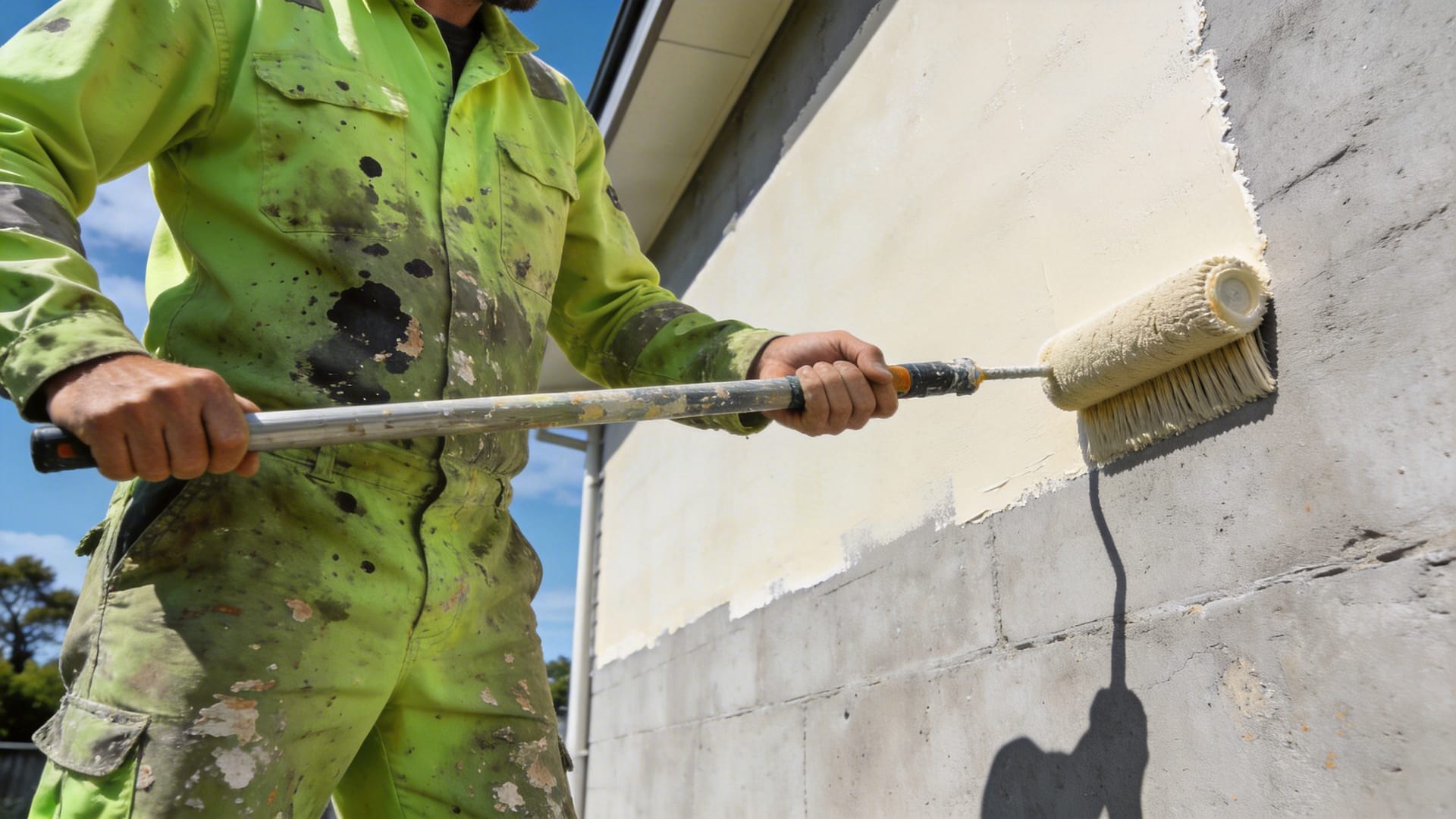
What this article covers
- Why painters charge so much per day in NZ
- What customers are really paying for
- Why prep work changes the price fast
- Why some jobs cannot be priced cheaply
- How day rates compare with fixed quotes
- What makes one painter more expensive than another
- When a “cheap” painter ends up costing more
- How to tell if a quote is fair
- Questions to ask before accepting a quote
- FAQ on painter day rates in New Zealand
Let’s start with the most important point. A painter’s daily rate in New Zealand is not simply the price of someone holding a roller for eight hours. In real jobs, a large part of the day disappears into things that customers barely notice: moving items, laying drop sheets, masking edges, checking moisture or old damage, sanding rough areas, filling cracks, cutting in neatly, cleaning tools, and making sure the finish looks even under natural light.
What feels expensive to the customer often feels normal to the painter because the painter is pricing the whole process, not just the visible final coat.
Why do painters charge so much per day in NZ?
The short answer is this: painting is labour-heavy work that relies on preparation, precision, and consistency. It is not like selling a product where the unit cost is obvious. With painting, the result depends heavily on the person doing the job. A skilled painter can save time, reduce mess, avoid uneven coverage, spot substrate issues early, and give you a finish that lasts longer. A cheap painter can create more work than they save.
That is why the question “Why do painters charge so much per day in NZ?” is really a question about what happens behind the scenes. The daily rate is covering a bundle of things:
What you can see
- Brush, roller, or spray work
- The visual finish at the end
- The number of coats applied
- The pace of the crew on site
What you usually do not see
- Prep, filling, sanding, masking, protecting floors
- Drying-time management and sequencing
- Fixing surface defects before they show through
- Travel, loading gear, cleanup, and waste handling
What customers are really paying for
Most homeowners want a straight answer: if painters charge a high day rate, what exactly is the money going toward?
A useful way to look at it is to separate the visible paint and materials from the human time behind the job. If you want to understand the money side more clearly, it is worth reading this breakdown of labour cost for house painting in NZ, because labour is usually where the biggest difference between cheap, average, and professional quotes shows up.
| Cost component | Why it matters | Why customers often underestimate it |
|---|---|---|
| Preparation | Good prep helps paint adhere properly and improves the final finish | Because prep is less visible than the final coat, people assume it is quick |
| Skill and judgement | A good painter knows what can be painted immediately and what needs repair first | Customers often think painting is mainly manual, not technical |
| Labour time | Painting is time-intensive, especially on detailed or damaged surfaces | The finished area can look simple even when it took a lot of careful work |
| Setup and protection | Drop sheets, masking, taping, and protecting furniture reduce the risk of damage | These tasks are expected, so they are often mentally treated as “free” |
| Business overhead | Vehicles, fuel, tools, insurance, admin, quoting time, and scheduling all cost money | Customers compare only the visible labour, not the cost of running the business |
| Risk control | Exterior work, repairs, and tricky jobs involve more uncertainty and more responsibility | Customers usually see only the finished result, not the risk being managed |
So when people ask why painters charge so much per day in NZ, the real answer is that they are not charging for “one day of paint.” They are charging for a professional system that gets the work done properly.
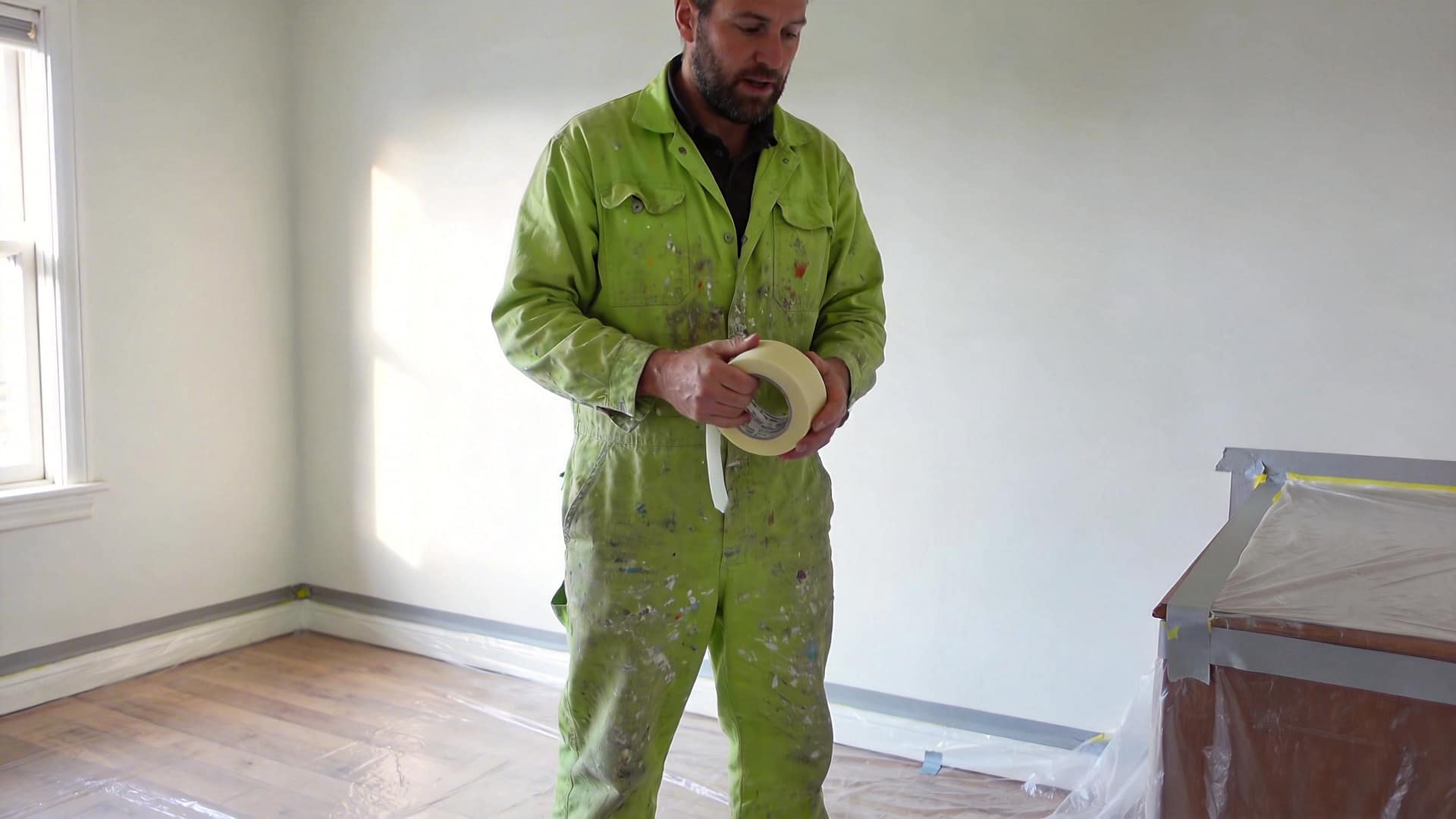
Preparation is where the real time goes
If there is one section customers should read carefully, it is this one. The biggest reason painters charge what they do is that preparation eats time. On many jobs, prep is not a small extra. It is the core of the work.
Let’s say you are repainting a living room. A customer may picture the job like this: arrive, paint walls, leave. The painter may picture it like this: inspect old paint, patch dents, sand repairs, mask trims, protect flooring, remove dust, cut in neatly, apply coats in the right sequence, then clean up thoroughly. These are two completely different views of the same job.
That gap in perception is why painter day rates can feel surprising. Painting looks simple when done well. That is exactly why customers underestimate it.
Prep often includes:
- filling cracks, dents, and nail holes
- sanding rough patches and feathering edges
- scraping loose or peeling paint
- washing surfaces or degreasing kitchens
- masking trims, fittings, glass, and floors
- moving or protecting furniture
- spot-priming repaired areas
- checking whether the surface is actually ready to coat
None of that looks dramatic in the final photo. But it affects everything: finish quality, durability, and how tidy the job feels in real life.
Why some jobs cost more per day than others
Not all painting jobs are equal. A straightforward empty room is one thing. A weathered exterior, damaged plaster, dark-to-light colour change, occupied home, or awkward access job is another story entirely. A painter may charge more per day because the site itself is slower, riskier, or harder to manage.
| Job type | Why the daily cost can rise | What the customer should expect |
|---|---|---|
| Occupied interior repaint | More protection, moving around belongings, slower workflow | More time spent on setup and cleanup |
| Old exterior repaint | Weathering, peeling paint, washing, repairs, access issues | Higher labour intensity and more prep stages |
| Detailed trim and cutting in | Precision work is slower than broad rolling | Cleaner finish, but more labour hours |
| Colour changes | May need extra coats for proper coverage | Longer production time and more materials |
| Damaged surfaces | Repairs must be done first or flaws will show through | Prep and patching may dominate the job |
Customers usually care about one thing most: “Am I being overcharged?”
Sometimes yes. But often the quote only feels high because the customer is comparing a professional process with a simplified mental version of the job.
- If the painter explains prep clearly, the price is often more credible.
- If the scope is vague, the same high price becomes much harder to trust.
- If access, repairs, protection, and finish expectations are all high, the daily rate will rarely be cheap.
Day rate vs fixed quote: which one matters more?
Some homeowners get stuck on the painter’s daily rate. In practice, the total quote usually matters more. A higher daily rate from an efficient, organised painter can still work out better than a lower daily rate from someone slow, messy, or unclear.
Here is the problem with focusing only on daily price: it ignores productivity and quality. One painter may take three days to do a job neatly. Another may quote a lower day rate but take five days, miss details, and leave touch-ups everywhere. The second option is not cheaper in any meaningful sense.
That is why a fair painting quote should be judged on three things together:
1. Scope clarity
Does the quote explain what is included, what prep is allowed for, how many coats are expected, and whether repairs are included or extra?
2. Finish expectation
Are you paying for a quick freshen-up, or a cleaner premium result with stronger prep and better consistency?
3. Risk of rework
A cheap job that fails early, peels, flashes, or looks patchy is often the most expensive option in the long run.
4. Disruption to your home
Professional painters also reduce hassle. Cleanliness, sequencing, and organisation matter more than people think.
Why experienced painters often charge more
A painter with solid experience is not only charging for physical labour. They are charging for speed without panic, clean cutting in, consistent coverage, better judgement, and fewer mistakes. They are also more likely to know when a surface needs extra prep instead of blindly coating over trouble.
That matters because painting problems are expensive to hide. Runs, lap marks, flashing, poor adhesion, rough repairs, thin coverage, and messy edges can ruin the look of a room or exterior faster than most customers expect. Fixing those problems usually costs more than doing the job right the first time.
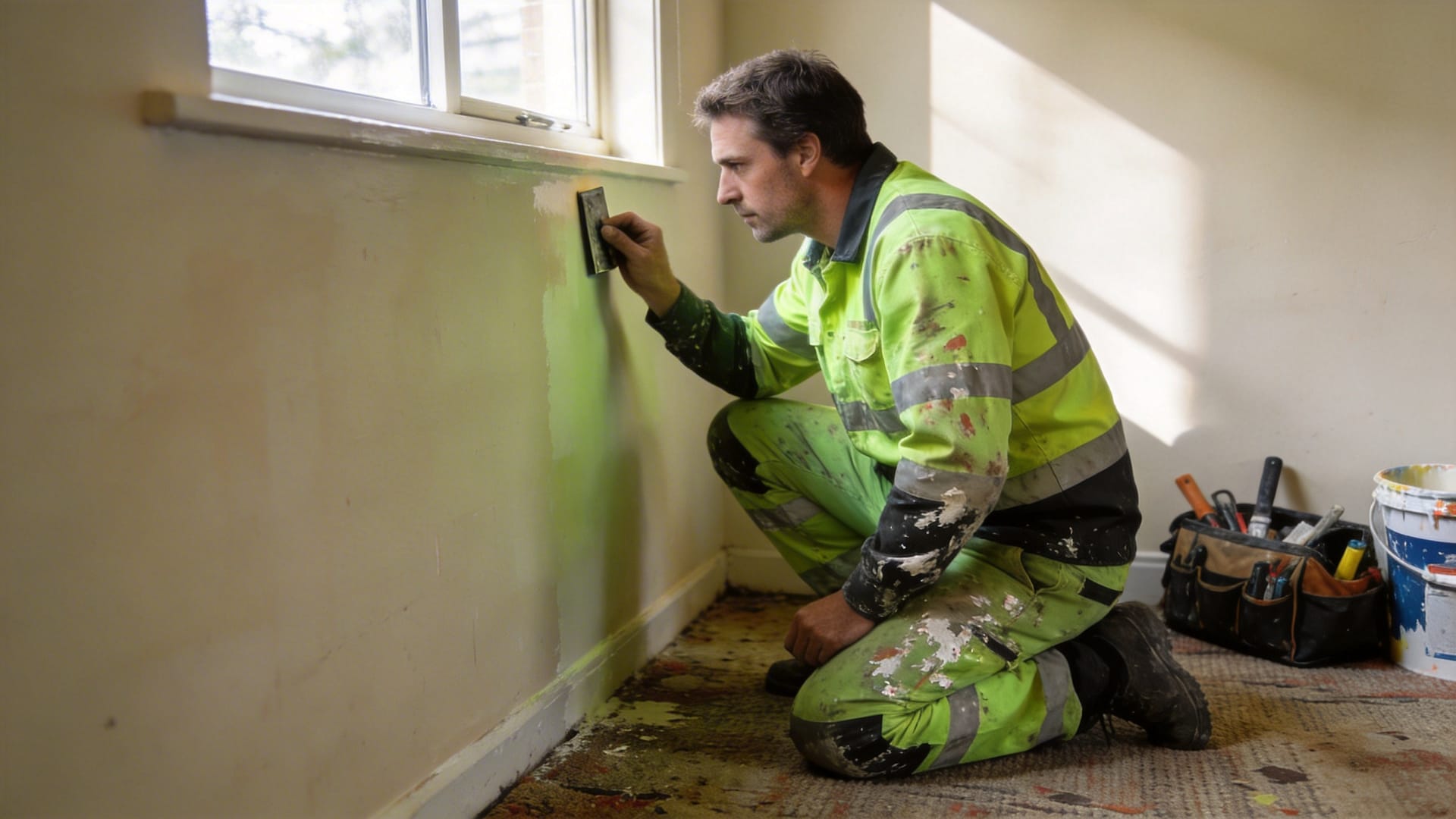
When a high painter day rate is reasonable
Not every expensive quote is unreasonable. In many cases, a high daily rate makes sense. Here are the situations where customers should expect pricing to rise:
- the home is occupied and needs careful protection
- the surface has cracks, flaking paint, stains, grease, or water marks
- the job has awkward access or lots of detail work
- the finish standard expected is high
- there is a major colour change requiring stronger coverage
- the work has to be staged carefully around weather or drying time
- the painter is supplying full labour management rather than just basic brush work
On the other hand, a high daily rate becomes questionable when the quote is vague, the painter cannot explain the process, or the scope sounds suspiciously light for the price.
When a cheap painter becomes expensive
A lot of customers start by comparing prices. That makes sense. But cheap painting can become expensive very fast. This happens when the painter skips prep, thins coats too much, rushes edges, ignores hidden defects, or underestimates the job and starts cutting corners to protect their margin.
The most common reasons a cheap painting job goes wrong are:
| Cheap-job problem | What it leads to | Why it costs more later |
|---|---|---|
| Weak prep | Peeling, rough surfaces, visible patches | The surface may need to be redone before repainting properly |
| Poor masking and protection | Mess on floors, trims, fittings, or furniture | Extra cleanup or damage repair |
| Rushed finishing | Lap marks, thin coverage, uneven sheen | Touch-ups often fail to blend cleanly |
| Bad judgement on surface condition | Defects show through after painting | Customers end up paying for remedial work |
| Underquoting | The job drags or the scope gets disputed | Stress, delays, and awkward negotiations |
How to tell if a painting quote is fair
If you are wondering why painters charge so much per day in NZ, what you really want is a way to judge whether the quote in front of you is fair. The cleanest approach is to stop asking only about the daily rate and start asking about the job structure.
This is especially important when you are comparing more than one painter. Two quotes can look similar on price but mean very different things in practice. For a more detailed checklist, this guide on how to get an accurate painting quote in New Zealand explains what details should be clear before you agree to the job.
A fair quote usually does these things:
- explains the surfaces being painted
- describes at least the main preparation work
- states what is included and what is excluded
- sets realistic expectations on coats and finish
- does not pretend everything is instant and easy
- sounds like it was written for your actual job, not copied from a template
If a quote says almost nothing except a lump sum or a day rate, then yes, it is harder to trust. Customers are right to push for more clarity.
Get a quick interior estimate
If you are trying to understand whether an interior painting quote feels high, this calculator gives you a practical starting point before you speak to painters.
Try the Interior Painting Cost CalculatorCheck a full-house estimate
For homeowners comparing broader repaint pricing, the main calculator helps you estimate internal and external painting costs in one place.
Use the Main Painting EstimatorQuestions smart customers should ask before accepting a quote
You do not need to act like a construction consultant. You just need to ask the right questions. These questions usually reveal whether a painter’s pricing is grounded or fluffy:
- What preparation is included in this price?
- Are minor cracks, holes, sanding, and spot repairs included?
- How many coats are you expecting for this surface and colour change?
- What might cause the price to change once work starts?
- What finish standard are you pricing for?
- Is protection of floors, fittings, and furniture included?
- Are there any access or condition issues affecting the price?
These questions do two useful things at once. They help you understand the quote, and they signal to the painter that you are paying attention. That alone often improves the quality of the conversation.
So, why do painters charge so much per day in NZ?
Because painting done properly is more complex than it looks. Customers are paying for preparation, control, consistency, decision-making, and the ability to get a durable finish without turning the house into a mess. The daily rate can feel high, but the wrong comparison is to treat painting like simple low-skill labour.
The better question is not just whether the day rate is high. It is whether the painter is giving you clear scope, real preparation, and a result that is worth living with for years. That is where value actually sits.
FAQ: Why do painters charge so much per day in NZ?
Do painters in New Zealand charge a lot because paint itself is expensive?
Paint matters, but labour is usually the bigger driver. Most of the price pressure comes from prep time, application time, protection work, access, and the skill needed to get a clean finish.
Is it better to compare painter day rates or total quotes?
Total quotes are usually more useful. A lower day rate does not help if the painter is slower, less organised, or more likely to leave defects behind. Productivity and finish quality matter just as much as the stated daily rate.
Why does prep make such a big difference to painting cost?
Because prep is where the long-term result is built. If the surface is not repaired, sanded, cleaned, and primed correctly where needed, the finish can look poor or fail early. Good prep takes time, and time is a major part of painting cost.
Are expensive painters always better?
No. High pricing only makes sense when it is backed by a clear scope, proper process, and a credible standard of work. A vague expensive quote is not automatically good value. Customers should still ask questions.
Why do occupied homes often cost more to paint?
Because the crew has to work more carefully. Furniture, flooring, appliances, fittings, and daily household movement all slow the job down and increase the amount of protection and cleanup required.
Can a cheap painter end up costing more?
Yes. If corners are cut on prep, coating, repairs, or cleanup, the job may need touch-ups, remedial work, or complete repainting sooner than expected. Cheap painting often looks cheapest only at the start.
Final takeaway
If you came here wondering why do painters charge so much per day in NZ, the honest answer is that a professional painting job includes far more than the visible coat of paint. The real cost sits in the preparation, experience, organisation, and finish quality. Customers are right to question pricing, but the smartest move is to question the scope, not just the number.
A clear, well-explained quote from a capable painter is usually worth more than a cheaper number that hides weak prep, loose expectations, or future problems.