Labour Cost for House Painting in NZ: What You’re Really Paying For
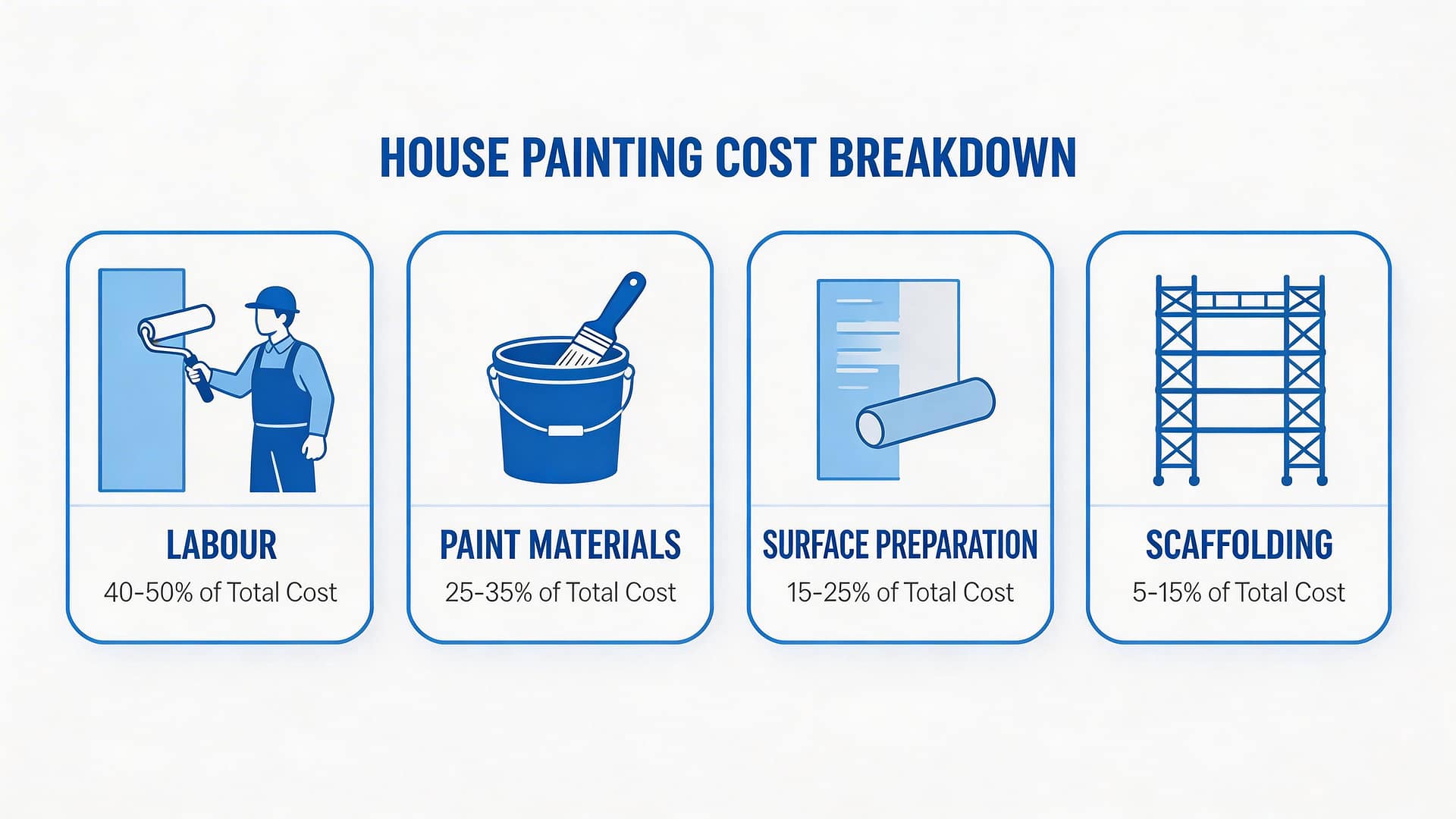
When homeowners search for labour cost for house painting in NZ, they are usually not looking for fluffy advice. They want to know one thing: how much of the quote is actually labour, why it costs that much, and whether the price is fair.
This guide gets straight to the point. We’ll break down what drives painting labour, where the money goes, what changes the hourly workload, and how to tell the difference between a solid quote and one that only looks cheap on paper.
- How labour cost affects total house painting quotes
- What painters are actually doing on site
- Why prep work often costs more than people expect
- Interior vs exterior painting labour differences
- How to estimate a realistic NZ painting budget
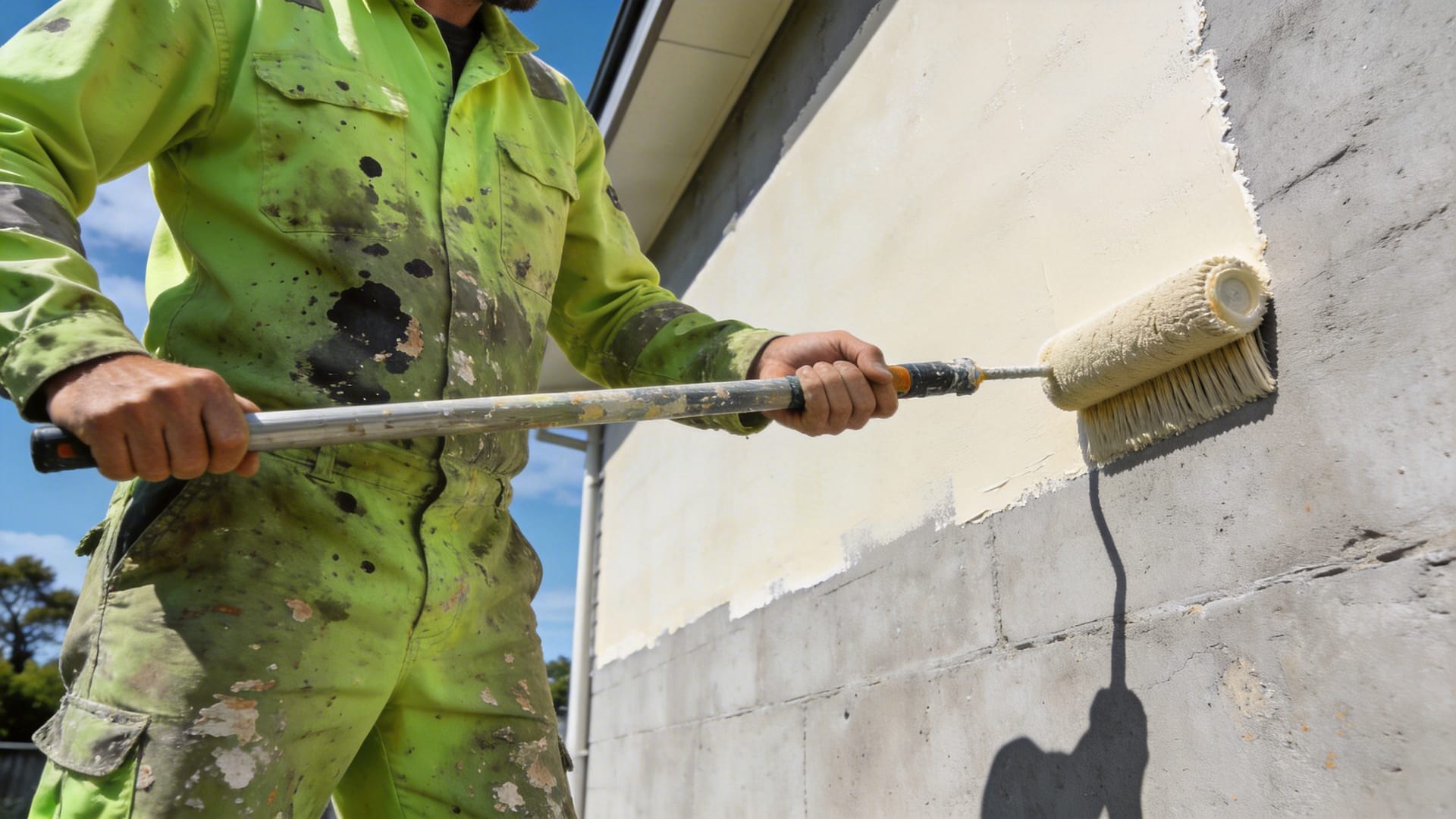
The biggest mistake homeowners make is assuming painting labour means “someone shows up and rolls paint on walls.” In reality, labour cost for house painting in NZ includes setup, masking, surface prep, sanding, patching, stain-blocking, cutting in, multiple coats, weather delays, clean-up, and sometimes difficult access. Labour is not a side cost. On many jobs, it is the main cost.
Is this quote fair, or am I overpaying for labour?
A cheap labour quote can mean rushed prep, weak coverage, or corners cut on difficult areas.
The best value is usually the crew that does thorough prep and delivers a finish that lasts.
Why Labour Cost Matters So Much in House Painting
Materials matter, but on most residential painting jobs in New Zealand, labour is where the complexity lives. A can of paint has a price. A painter’s time does not stay fixed. It changes with the surface condition, property layout, access, detail level, and how much protection the job needs.
That is why two homes of similar size can receive very different quotes. One house might have relatively smooth walls, empty rooms, good access, and minimal repairs. Another might have peeling weatherboards, tricky rooflines, furniture everywhere, old stains bleeding through, and years of deferred maintenance. Same general size. Totally different labour demand. For homeowners who are still trying to understand the bigger pricing picture, it can also help to compare labour against real house painting prices in NZ, so the labour portion does not get judged in isolation.
So when people ask about house painting labour cost NZ, the real question is usually this: how many hours of skilled work will this property need? If the daily rate itself feels surprisingly high, this deeper explanation of why painters charge so much per day in NZ is worth reading alongside this guide, because it looks at the hidden costs behind a working day rather than only the visible painting time.
Want a faster starting point before you compare quotes?
Use the main estimator to get a broader picture of likely painting costs across interior and exterior work, then compare that against the labour-heavy parts of your quote. If you prefer to think in surface-area terms first, this paint cost per m² NZ guide is also a useful companion because it explains why square metres are only one part of the final price.
What Is Included in Labour Cost for House Painting in NZ?
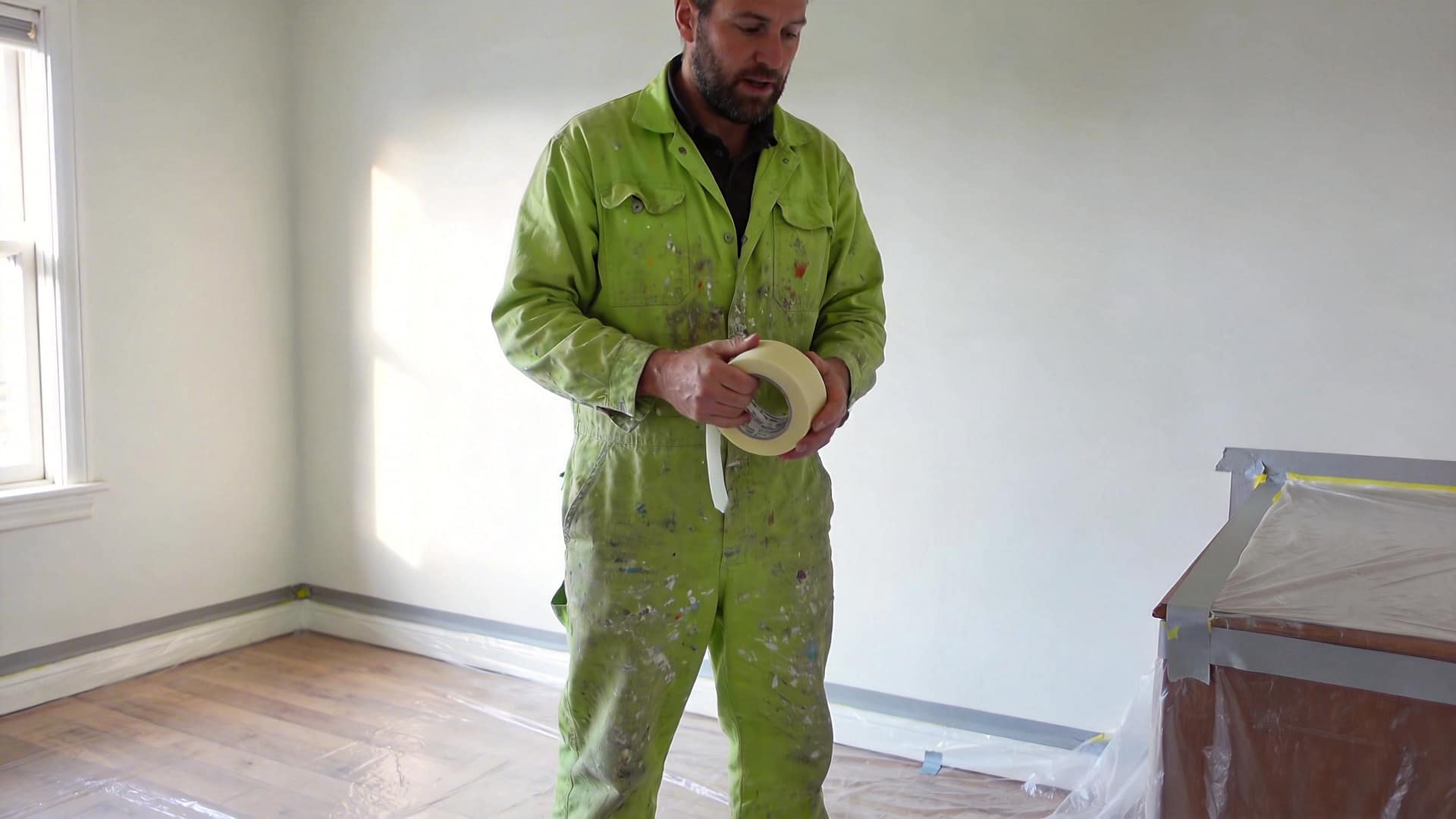
This is where many quotes look similar at first glance but are very different in substance. A proper labour allowance may include all of the following:
| Labour Component | What It Actually Means | Why It Affects Cost |
|---|---|---|
| Site setup | Protecting floors, masking windows, moving light items, laying drop sheets | Takes time before painting even starts |
| Surface preparation | Washing, sanding, scraping, patching, gap filling, stain treatment | Often the most labour-intensive part of the whole job |
| Cutting in and detail work | Edges, trims, corners, door frames, awkward junctions | Slower than rolling broad surfaces |
| Multiple coats | Applying undercoats, primers, and finish coats properly | Each coat adds labour time, drying coordination, and revisits |
| Access handling | Ladders, scaffold coordination, difficult exterior heights | Harder access means slower progress and more care |
| Clean-up and finishing | Removing masking, final touch-ups, site tidy-up | Necessary for a professional handover |
In other words, labour cost for house painting in NZ is not just the visible brush strokes. It is the whole workflow that turns a rough or aging surface into something sharp, clean, durable, and worth paying for.
The Real Labour Drivers: What Pushes the Price Up or Down?
1. Surface condition
If the existing paint is sound, surfaces are clean, and repairs are minor, labour is easier to control. If the home has peeling paint, cracks, stains, or filler work, the labour cost rises quickly.
2. Access difficulty
A single-level home with simple access is much easier than steep sections, tight side paths, high gables, or awkward outdoor obstacles.
3. Detail level
Trim-heavy houses, decorative lines, windows, doors, feature walls, and sharply defined colour changes all add labour hours.
4. Occupied vs empty home
An empty house is faster to paint. A furnished and fully occupied home requires more moving, covering, careful sequencing, and communication.
5. Interior vs exterior
Exterior jobs often involve more washing, scraping, weather management, ladder work, and safety awareness. Interior work can still be labour-heavy when ceilings, trims, patching, and furniture protection are involved.
6. Speed expectations
If a client wants the job done urgently, extra labour coordination or a larger crew may affect pricing.
Bottom line: labour cost goes up when the job gets slower, riskier, more detailed, or more preparation-heavy. That is why the cheapest quote is often the one that quietly assumes the least work.
Interior vs Exterior Painting Labour Cost in NZ
People often assume exterior painting should obviously cost more because the house is bigger on the outside. That is not always the full story. Exterior painting usually has tougher prep and access requirements, but interior painting can also be labour-intensive when ceilings are involved, rooms are furnished, or the finish standard needs to be especially neat.
| Job Type | Typical Labour Challenges | Why Homeowners Underestimate It |
|---|---|---|
| Interior painting | Furniture protection, patching, ceiling work, trim detail, careful room sequencing | Looks easier because work is indoors, but the finish standard is often higher |
| Exterior painting | Washing, scraping, weather dependence, height access, old substrate issues | People notice the size, but not always the prep and access burden |
For that reason, one of the best internal tools to check next is the Exterior Painting Cost Calculator. It gives a stronger sense of how exterior surface area, access, and job type can shape the broader budget.
How to Tell Whether a Labour Quote Is Fair
Most homeowners do not want the absolute cheapest painting quote. They want a quote that feels safe, sensible, and justified. That means the labour component should make sense against the actual condition of the property.
Signs the labour quote may be too low
- Very vague wording around prep
- No mention of repairs, masking, or protection
- Little detail about number of coats
- No clarity on trim, ceilings, windows, or difficult areas
- The painter seems to price first and inspect later
Signs the labour quote may be more realistic
- Prep work is clearly described
- The quote reflects condition, not just size
- Challenging areas are specifically acknowledged
- Scope is broken down in a way that sounds job-specific
- The painter explains what is included and what is excluded
A fair quote is not just a number. It is a description of labour. If the painter cannot explain what the crew will actually do, the number means less than it appears to.
Questions Homeowners Should Ask About Painting Labour
If you really want to understand labour cost for house painting in NZ, ask sharper questions. Not aggressive questions. Useful ones.
- How much prep is included before painting starts?
- Are patching, sanding, scraping, and gap filling part of the quote?
- How many coats are included?
- Does the labour include protection of floors, furniture, or outdoor surfaces?
- What happens if extra repair work is discovered after the job starts?
- Are trims, doors, ceilings, and detailed edges included or priced separately?
- How will difficult access areas be handled?
These questions do two things. First, they reveal whether the labour scope is realistic. Second, they expose whether two quotes that look similar are actually pricing the same job. Once you have those answers, it becomes much easier to build a sensible project allowance instead of guessing from the cheapest number on the page. This is where a practical guide on how to budget for house painting in NZ can help you connect quote details with the amount you actually need to set aside.
Need a wider NZ cost benchmark before you talk to painters?
The homepage calculator is useful when you want a broader estimate covering different parts of a residential repaint project, not just one narrow surface type.
Why Cheap Labour Can End Up Expensive
This is one of the most important parts of the conversation, and it is where many homeowners get caught. A cheap labour quote can look attractive because paint work seems simple from the outside. But when labour is underpriced, something usually gives way:
What gets cut first
- Surface prep time
- Attention to repairs
- Sharpness around trims and edges
- Coverage quality on difficult spots
- Patience between stages
What that can lead to
- Flaking or peeling earlier than expected
- Visible patch marks
- Messy cut lines
- Thin-looking colour depth
- Paying again sooner than planned
That is why the best labour value is not always the lowest number. It is the quote where the workmanship is likely to last and the finish is less likely to annoy you every time you walk past it.
Common Search Questions About House Painting Labour Cost in NZ
| Search Question | Practical Answer |
|---|---|
| Why is labour cost so high in house painting? | Because painting is not just application. Skilled prep, protection, detailed cutting in, and access handling all take time. |
| Is labour more expensive for exterior painting? | Often yes, especially when washing, scraping, heights, and weather delays are involved. |
| Does a bigger house always mean more labour? | Usually, but condition and layout can matter almost as much as size. |
| Can I reduce painting labour cost? | Sometimes, by clearing rooms, improving access, or reducing scope. But cutting prep can be a false saving. |
| Should I compare quotes by total price only? | No. Compare the labour scope, number of coats, prep included, and exclusions. |
Our Straight Answer: What Customers Most Want to Know
If you are standing there with a quote in hand wondering whether the labour cost for house painting in NZ sounds high, here is the honest answer: it depends far more on the amount of real work than on the square metres alone.
If the house is easy, clean, accessible, and straightforward, labour can stay relatively efficient. If the home is detailed, weathered, occupied, repair-heavy, or awkward to work on, labour becomes the main story.
That is why smart homeowners do not just ask, “What is the total?” They ask, “What exactly are you doing for that labour?”
FAQ: Labour Cost for House Painting in NZ
Is labour usually the biggest part of a painting quote in NZ?
Very often, yes. Especially on homes that need proper preparation, detailed work, or difficult access. Materials matter, but labour is usually where complexity accumulates.
Why do painters ask so many questions before pricing labour?
Because the labour requirement changes with condition, access, room use, surface type, and finish expectations. A good painter is trying to measure workload, not just area.
Can I lower labour cost by doing prep myself?
Sometimes, but only if it is genuinely helpful and done to a good standard. In some cases, poor prep done by the homeowner creates more correction work later.
Why are two painting quotes for the same house so different?
Because they may not be quoting the same labour scope. One may include more prep, more detail, better protection, or more realistic time allowances. Before choosing, it is worth checking the price against broader NZ painting cost references and then asking whether the labour allowance actually matches the work described.
What is the safest way to compare house painting labour quotes?
Ask each painter what prep is included, how many coats are included, whether difficult areas are covered, and what exclusions or assumptions they have built into the quote.
Final Word
Labour cost for house painting in NZ is really the cost of time, skill, care, and preparation. That is what separates a quick cosmetic job from a finish that actually looks right and lasts.
If you want to make a better decision, do not focus only on the number. Focus on the labour behind the number. That is where the truth of the quote lives.