Do Painters Move furniture In NZ?
It’s one of those questions homeowners often think about a bit too late. The painter is booked, the start date is close, and suddenly you are looking at sofas, beds, bookshelves, and dining tables wondering what exactly is supposed to happen next.
The honest answer is this: some painters move furniture, some only help with light items, and many expect the room to be partly cleared before they arrive. The difference usually comes down to safety, insurance, access, time, and what was included in the quote.
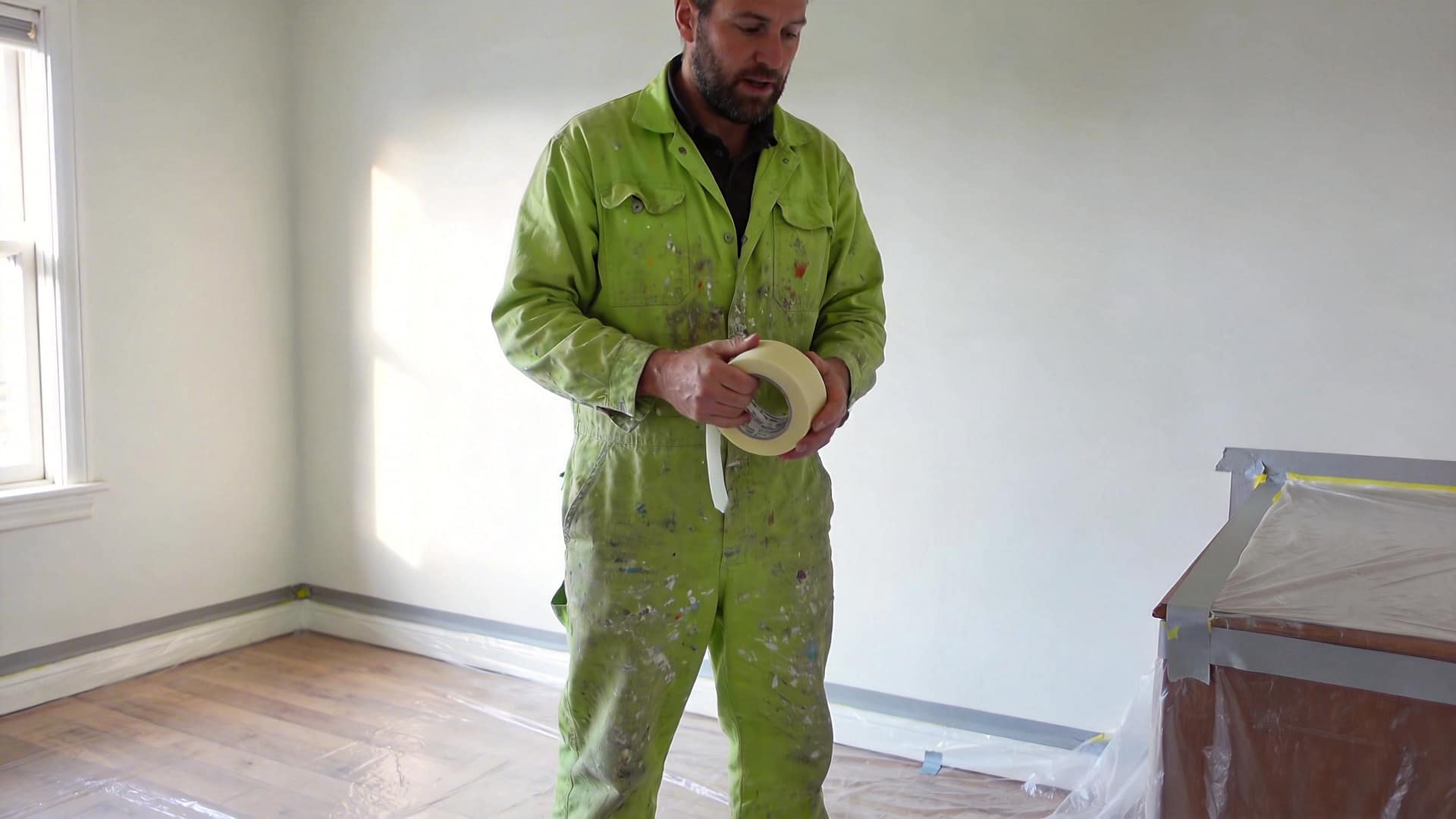
If you’ve ever wondered whether painters move furniture before painting, you’re definitely not the only one. People ask this because they want a practical answer, not a vague one. They want to know what painters usually do, what homeowners should do first, whether there is an extra charge, and what happens with heavy furniture, delicate items, and rooms that are already crowded. This guide walks through all of that in plain English, with no fluff and no guesswork.
Quick answer
Yes, painters often move some furniture, but usually not everything. Small and medium items may be shifted into the middle of the room or covered carefully. Very heavy, fragile, valuable, or overfilled furniture is often expected to be handled by the homeowner before the job begins.
What matters most
- How much access the painter needs to walls, trims, and ceilings
- Whether furniture is heavy, fragile, or difficult to move safely
- Whether furniture moving was included in the original quote
- How much prep work is involved before painting starts
- Whether the room is occupied, cluttered, or partly empty
Why this question matters more than people expect
At first glance, moving furniture sounds like a tiny detail. In reality, it affects the whole painting process. Painters need enough working room to cut in neatly, repair walls, sand surfaces, fill cracks, protect flooring, tape edges, and apply paint without constantly reaching over obstacles.
That’s why the question “Do painters move furniture?” is not really just about furniture. It is also about access, workflow, finish quality, safety, and time on site. When a room is packed with furniture, the painter’s job becomes slower and riskier. When the room is cleared properly, the work is usually cleaner, quicker, and easier to manage.
What painters usually move — and what they usually avoid
This is where expectations can get mismatched. A homeowner may assume the painter will take care of everything. A painter may assume the room will be mostly ready. The truth sits somewhere in the middle.
| Item type | What painters often do | What commonly happens instead |
|---|---|---|
| Dining chairs, side tables, lamps | Usually easy to move within the room | Often gathered into the centre and covered |
| Sofas, coffee tables, light shelving | May be shifted if there is enough space and low risk | Moved a short distance for wall access |
| Beds and mattresses | Sometimes repositioned, depending on room size | Homeowner may be asked to strip or clear the room first |
| Large wardrobes, full bookcases, pianos | Often avoided due to weight and liability | Expected to stay in place or be professionally moved first |
| Electronics, artwork, mirrors, valuables | Usually not handled unless specifically agreed | Best removed by the homeowner before the painters arrive |
| Items inside cabinets or shelves | Rarely emptied by painters | Should be cleared out in advance |
That’s why one of the best things you can do before booking an interior paint job is ask a very direct question: “Will you move furniture, and if so, which items?” That one sentence avoids a lot of confusion later.
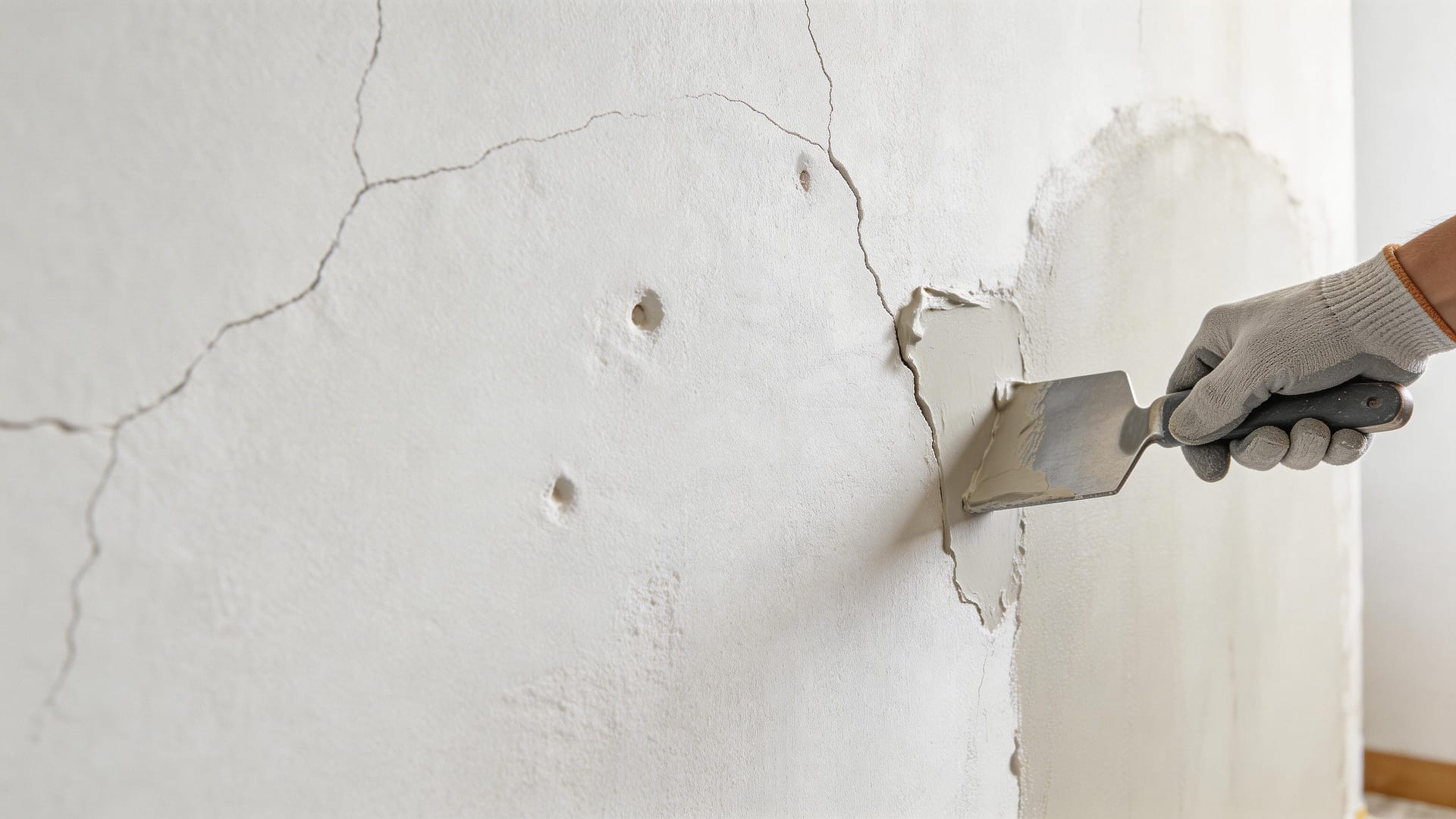
Why painters may charge extra for moving furniture
Some homeowners are surprised when furniture moving appears as an extra cost or gets mentioned during quoting. But once you look at it from the painter’s side, it makes sense.
Moving furniture is not just a quick favour. It can add labour time, require two people instead of one, increase the chance of scratches or accidental damage, and slow down the whole sequence of preparation and painting. If the painter has to spend the first hour of the day reorganising a room, that is time that is not being spent on actual paint work.
There is also the insurance side. Many painters are completely happy to shift ordinary furniture carefully. But when items are large, antique, expensive, unstable, or awkward, the risk changes. In those cases, the painter may limit what they are willing to move, or state clearly that valuables and fragile items must be cleared by the client.
When extra cost is more likely
- The home is fully occupied and rooms are crowded
- Furniture is heavy or needs two people
- The painter needs to dismantle or reassemble anything
- There are many decorative items to remove and protect
- The job includes repeated moving between coats
When it may be included
- The room is mostly clear already
- Only a few light items need shifting
- The furniture can be pulled to the centre once and covered
- The quote already allowed for prep and protection time
- The painter inspected the space before pricing the job
What homeowners should move before painters arrive
This is where life gets easier. Even if your painter is happy to help with furniture, the smartest approach is still to remove as much as you reasonably can before day one. That keeps the job smoother and reduces the chance of last-minute stress.
As a rule, homeowners should try to remove anything fragile, sentimental, expensive, or easily damaged. That includes framed photos, glass ornaments, small electronics, plants, lamps, loose rugs, personal documents, jewellery, and anything stored on open shelves. If an item matters to you, it is better not to leave it to chance.
It also helps to empty the tops of dressers, bedside tables, and console units. Even when a painter does not need to move the whole piece, they may still need to drape it, shift it slightly, or work around it. A clear surface makes that much easier.
Do painters move furniture in occupied homes?
Yes, quite often. Plenty of painting jobs happen in lived-in homes, not empty ones. That said, there is a big difference between working in an occupied home and working in a cluttered room with almost no access.
In occupied homes, painters often move furniture toward the centre, cover it with drop sheets or plastic, protect the floors, and work around the space in stages. That is normal. But it still works best when the room has been simplified first. Too many loose belongings create delays, and delays usually mean more labour cost or less efficient progress.
For many families, the furniture question is part of a bigger practical decision: whether to stay at home while the work is happening. If you are trying to work out what daily life might look like during an interior repaint, this guide on living in a house while it is being painted goes into the timing, smell, room access, and comfort side of the job in more detail.
So if you are wondering whether painters move furniture in an occupied house, the answer is yes — but the smoother the room setup is, the better your final experience usually becomes.
Planning an interior paint job?
If you want a quick sense of price before requesting quotes, use the interior painting calculator. It’s a practical way to estimate cost ranges before the work starts.
Try the Interior Painting CalculatorNeed to ask about prep, access or furniture?
Every house is a bit different. If you have heavy items, tight rooms, or special prep concerns, it’s worth asking directly before the painter arrives.
Contact UsWhat happens on painting day if furniture is still in the room?
Usually, the painter makes the room workable rather than perfectly empty. That often means pulling furniture away from the walls, grouping items in the centre, laying down floor protection, and covering exposed surfaces before starting prep work.
For many standard bedrooms, lounges, and dining areas, that setup is enough. But not always. If furniture is oversized or if the room is already tight, the painter may only be able to access part of the wall properly. In that case, the finish can suffer, or the painter may need to pause and ask for the space to be cleared further.
This is one reason many professionals prefer to discuss furniture moving ahead of time instead of improvising on the day. A room that looks manageable in theory can become awkward very quickly when drop sheets, ladders, roller poles, filler, sanding gear, and paint trays are also in the space.
Do painters move heavy furniture?
Sometimes, but this is where most limits appear. Heavy furniture creates the highest risk and the most hesitation. Think solid timber dressers, wide wardrobes, loaded bookshelves, large entertainment units, and appliances near painted surfaces. Even if the painter is physically capable of shifting them, that does not automatically mean they should.
There are practical reasons for that. Heavy items can damage flooring, mark walls, strain backs, or become a liability issue if something goes wrong. In many cases, painters will say yes to light or moderate furniture moving, but no to unusually heavy furniture unless it has been specifically agreed and priced in advance.
If you have furniture like that, it is worth deciding early whether it should be emptied, partially dismantled, moved by someone else, or simply left in place while the painter works around it as best as possible.
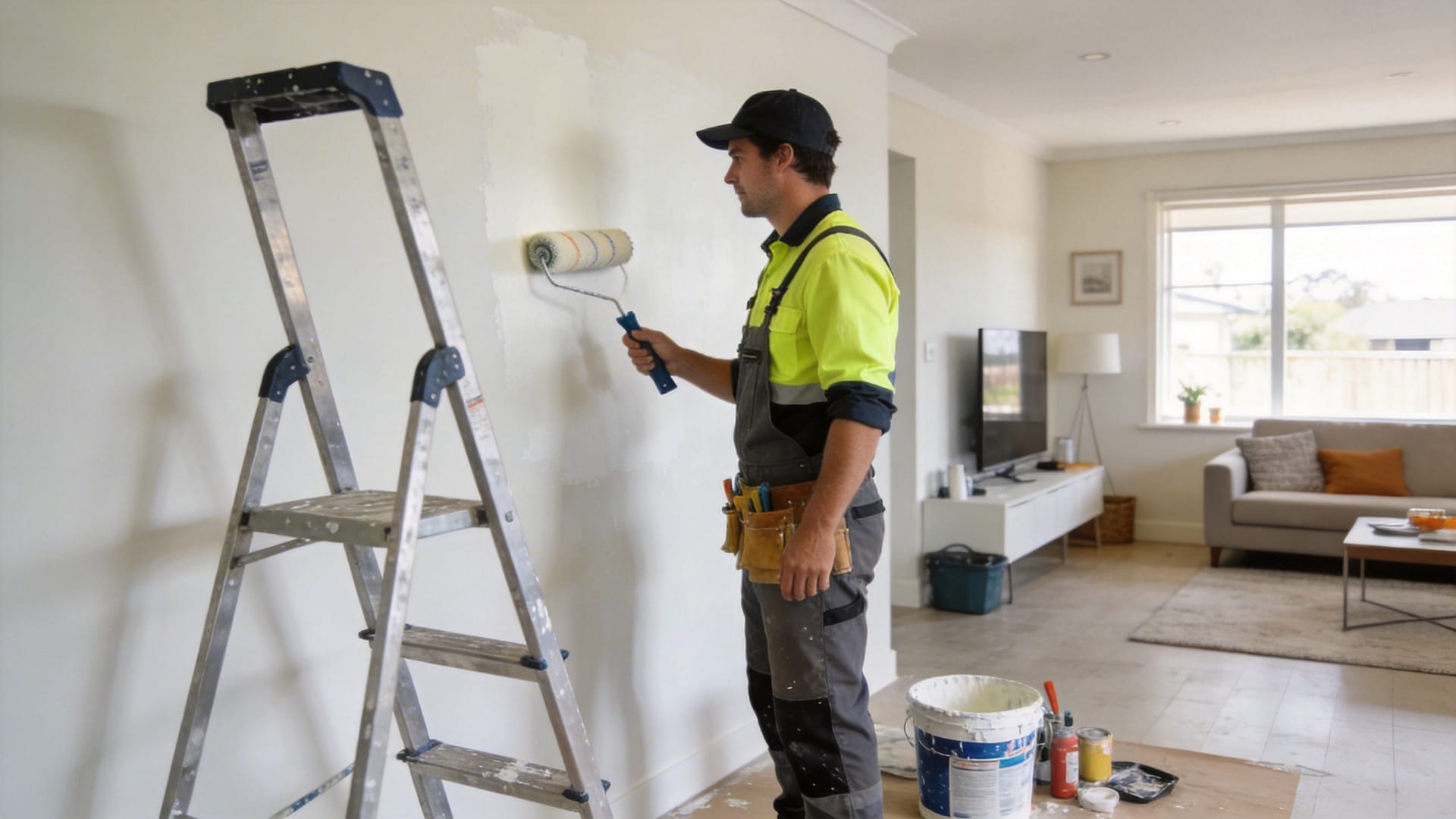
How to prepare your home before painters arrive
You do not need to turn your house into a showroom. But a little preparation makes a big difference. If the room is easier to access, the painter can focus on preparation and finish quality rather than spending the first part of the day becoming a furniture mover.
| Before the painters arrive | Why it helps |
|---|---|
| Remove wall art, mirrors, hooks, and fragile décor | Protects valuables and gives the painter clear access to the wall surface |
| Clear small items from shelves and tops of furniture | Makes covering and shifting furniture much easier |
| Move sentimental or expensive items out of the room | Reduces worry and avoids accidental damage |
| Empty or reduce heavy bookcases where possible | Makes items safer to shift or easier to leave in place without risk |
| Confirm with the painter which furniture they will move | Avoids assumptions and prevents awkward surprises on day one |
| Keep children and pets away from active work areas | Improves safety and helps the job move faster |
Does furniture moving affect painting cost?
Yes, it can. Not every time, and not dramatically in every room, but it absolutely can affect the final painting cost. More prep usually means more labour. More labour means more time. And more time usually means a higher quote.
That does not mean you should panic over a few chairs or a coffee table. The bigger cost impact usually comes from jobs where the house is fully furnished, access is tight, every room requires reshuffling, or the painter needs to return furniture carefully between stages.
Furniture moving is only one part of the overall price. Room size, wall condition, ceiling height, number of coats, trim work, and preparation can all change the final figure. If you are still building a rough budget, it can help to compare this with the broader cost to paint the inside of a house in NZ, especially before you start comparing quotes.
So if you are comparing quotes and one painter seems cheaper, it is worth checking what was assumed. One quote may include moving and covering furniture. Another may assume the client is handling all room preparation. That difference matters.
Questions worth asking before you book
A lot of painting stress disappears when the right questions are asked early. Homeowners often focus on paint colours and timing, but logistics matter just as much. Here are the questions that usually help the most:
- Do painters move furniture, or should I clear the room myself?
- Which furniture items are you comfortable moving?
- Are heavy or delicate items excluded?
- Will furniture moving affect the quote?
- Will floors and furniture be covered during the job?
- Should I remove wall décor and electronics in advance?
- What level of room preparation do you expect before day one?
Those questions sound simple, but they often reveal whether a painting quote is detailed and realistic or just broad and vague.
FAQ: Do painters move furniture?
Do painters move furniture before painting?
Often yes, but usually only to a reasonable extent. Many painters will shift lighter furniture or move items toward the centre of the room. Very heavy, fragile, or valuable items are often expected to be handled by the homeowner beforehand.
Do painters move heavy furniture?
Sometimes, but not always. Heavy furniture is where most painters draw a line unless the move has been discussed in advance. Weight, safety, floor protection, and liability all matter here.
Do painters charge extra to move furniture?
They can. If moving furniture adds time, labour, or risk to the job, it may be included as an extra cost or built into the quote. That is why it helps to confirm this before work begins.
Should I empty the room before painters arrive?
You do not always need to empty it completely, but removing small items, valuables, wall décor, and fragile belongings is strongly recommended. The more workable the room is, the smoother the paint job tends to go.
Do painters cover furniture if it stays in the room?
Yes, in many cases they do. Furniture that remains in the room is commonly grouped together and protected with plastic or drop sheets. Still, protection works best when the furniture arrangement is planned properly.
What if my room is too full to paint properly?
In that case, the painter may ask for more furniture to be removed before continuing, or the room may take longer to complete. Tight access can affect both speed and finish quality.
Final thoughts
So, do painters move furniture? Yes, often they do — but usually within sensible limits. They may shift chairs, side tables, and lighter pieces. They may help reposition beds or sofas. But they are not automatically taking responsibility for every heavy, fragile, valuable, or overstuffed item in the home.
The best approach is simple: assume that painters need access, assume that small items should be removed by the homeowner, and confirm in advance what furniture moving is included in the scope of work. That makes the quote clearer, the painting day smoother, and the whole experience far less stressful.
And honestly, that’s the real answer people are usually looking for. Not just whether painters move furniture, but how to avoid confusion before the first drop sheet even touches the floor.