How to Fix Wall Damage Before Moving Out in NZ (Avoid Losing Bond)
If you are moving out of a rental in New Zealand and worrying about nail holes, dents, chips, scuffs, peeling paint, or damaged plaster, this guide is for you. The goal is simple: fix wall damage before moving out in NZ properly, avoid unnecessary disputes, and reduce the chance of losing part of your bond over repairs that could have been handled earlier for a much lower cost.
What tenants care about most
Most people searching how to fix wall damage before moving out in NZ are not looking for theory. They want direct answers:
- Will this damage cost me part of my bond?
- Can I repair it myself or should I hire someone?
- What does a landlord or property manager usually notice first?
- How do I fix holes, dents, chips, and peeling paint without making it worse?
- How much could wall repairs and repainting cost in New Zealand?
Fast answer
If the wall has small picture hook holes, light scuffs, or shallow dents, a tidy DIY repair may be enough.
If the damage includes torn gib paper, peeling paint, moisture marks, large holes, patchy colour mismatch, or multiple damaged areas, it is much safer to repair and repaint properly before the final inspection.
A rushed patch job often stands out more than the original damage.
What kind of wall damage can make you lose bond?
Not every mark on a wall is treated the same. In many NZ rentals, ordinary wear and tear is expected. But visible damage that goes beyond normal day-to-day use can become a problem during move-out. The trouble is that tenants often underestimate how obvious the damage looks once the room is empty, cleaned, and fully lit.
The most common problem areas are screw holes, anchor holes, dents from furniture, chipped corners, scratches, stains, flaking filler, mismatched paint touch-ups, and bubbling or peeling paint. Even if each issue seems minor on its own, several small defects across one room can create the impression that the wall has not been maintained properly.
A useful first step is to separate fair wear and tear from actual damage. If you are unsure where the line usually sits, this guide on whether landlords can charge you for paint damage in NZ gives more context before you decide how much repair work is worth doing.
When DIY is fine and when it is not
A lot of renters waste money because they assume every damaged wall needs a full painter visit. Others go the opposite direction and try to patch everything themselves, only to end up with rough filler, shiny paint spots, and obvious colour mismatch. The smart move is to judge the wall honestly.
DIY is usually reasonable when the damage is small, localised, and on a wall with a simple flat or low-sheen finish. If the wall colour is easy to match and the surrounding surface is clean and intact, you may get a tidy result with filler, sanding, spot priming, and a careful touch-up.
DIY is much less reliable when there are multiple patches in one visible area, when the wall has texture, when the existing paint has faded over time, or when the substrate is damaged underneath. That is where a small repair can easily turn into a bigger visual problem.
How to fix wall damage before moving out in NZ properly
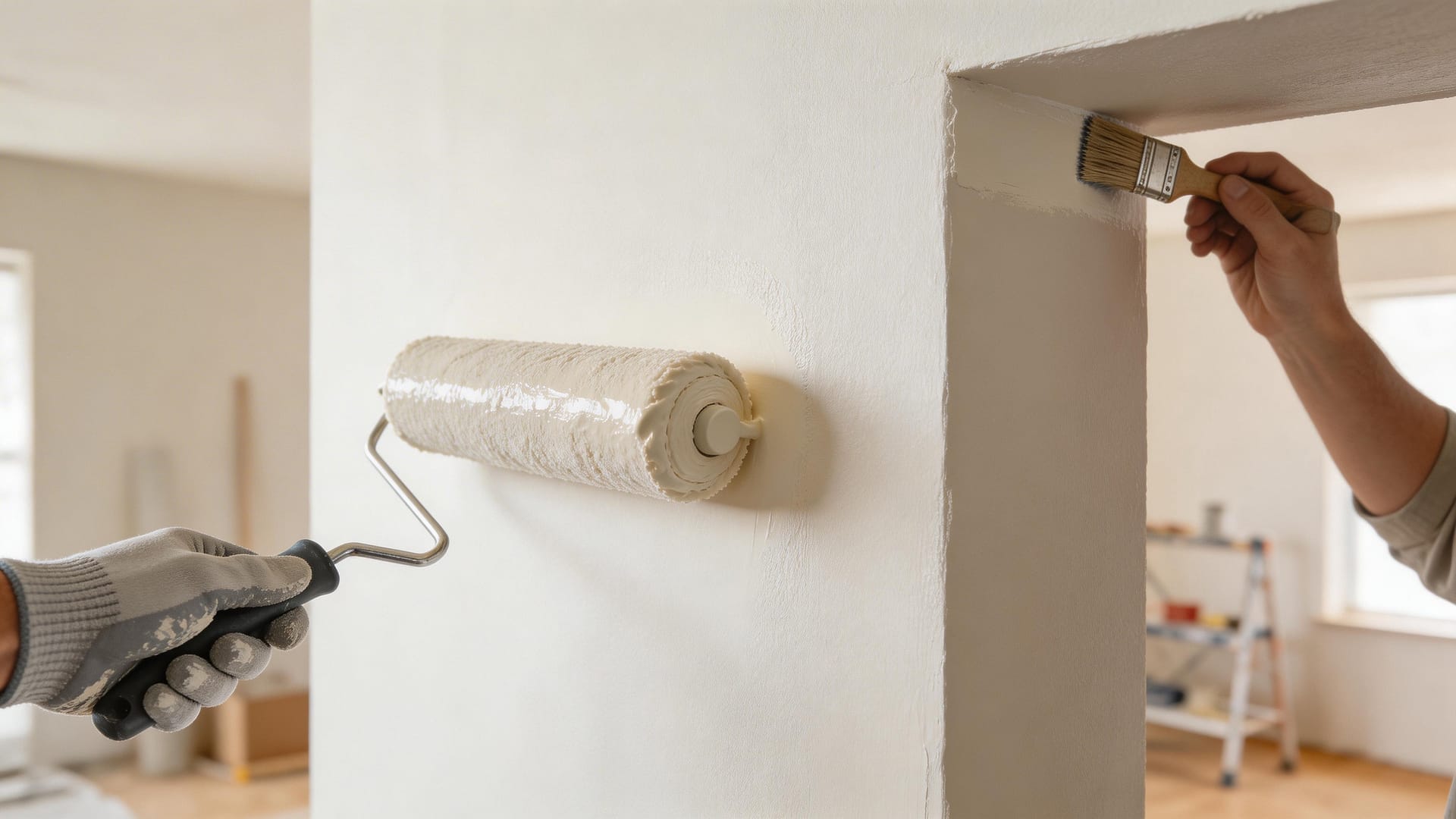
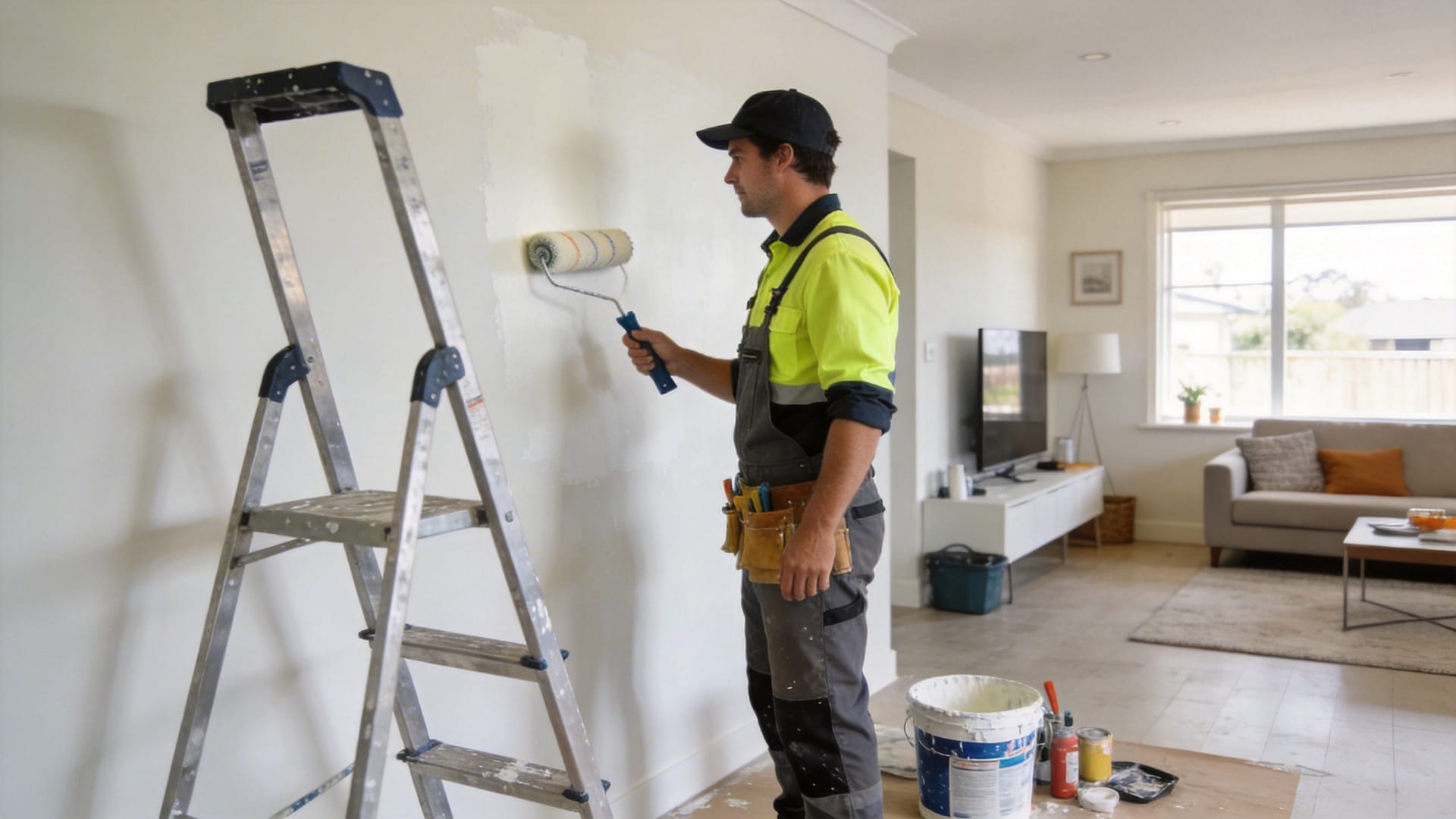
If you want the repair to blend in instead of screaming “last-minute patch”, the process matters. A decent result usually follows the same order: clean the surface, remove loose material, fill the damage properly, sand smooth, spot-prime when needed, and then repaint carefully.
For nail holes and tiny chips, use a suitable interior filler and apply only as much as needed. Overfilling creates a hump that becomes obvious later. Once dry, sand lightly until the patch is level with the surrounding wall. Wipe away dust before touching any paint.
For dents and deeper gouges, one fill is not always enough. Some patches shrink as they dry, so a second pass may be needed. For torn paper face on plasterboard or gib, sealing is important before top coating, otherwise the damaged area may bubble, absorb unevenly, or flash through the finish.
The final challenge is colour and sheen matching. Even if you still have the original paint name, older walls may have faded or picked up wear. A spot touch-up can look darker, cleaner, or shinier than the surrounding area. In that case, repainting a larger section or the full wall often looks better than trying to hide one small patch.
Common DIY mistakes
- Skipping sanding because the patch “looks flat enough”
- Painting straight over dusty filler
- Using the wrong filler for the depth of damage
- Trying to hide a big repair with a tiny dab of paint
- Ignoring sheen difference between old and new paint
- Leaving repairs until the night before inspection
What usually works better
- Repairing damage at least several days before move-out
- Testing the colour on a small area first
- Feather sanding the edges properly
- Using primer where the substrate is exposed
- Repainting a larger section if spot touch-up stands out
- Being honest about when a pro is the safer option
How much can wall repairs or repainting cost in NZ?
One reason people search how to fix wall damage before moving out in NZ is cost anxiety. They want to know whether it is cheaper to repair now or risk deductions later. In many cases, dealing with it before inspection is the better option because small problems can become expensive once someone else is arranging the repair for you.
Costs vary depending on the number of damaged spots, access, wall finish, paint match issues, and whether only a patch is needed or the whole wall has to be repainted to look right. If the damage has moved beyond one small repair and you are trying to understand the bigger picture, this guide to the cost to paint the inside of a house in NZ can help you compare a small wall fix with a wider interior repaint.
| Repair scenario | Typical cost impact | Why it changes |
|---|---|---|
| Tiny hole filling and touch-up | Low | Small material cost, limited labour |
| Several dents on one wall | Low to medium | More prep, sanding, and broader repainting area |
| Peeling paint or torn gib face | Medium to high | Needs correct prep and sealing, not just paint |
| Colour mismatch requiring full wall repaint | Medium | A small patch can trigger a bigger paint area |
| Damage across several rooms | High | Travel, setup, materials, and labour all increase |
Useful tool if repair turns into repainting
If you realise the wall damage is too visible for a tiny touch-up and you may need to repaint part of a room or a full interior wall, this calculator is the most relevant next step:

Why small wall damage can turn into a bigger bond problem
This is the part many tenants miss. The issue is not always the original hole or dent. The bigger risk is that the final result looks unfinished, inconsistent, or obviously patched. Property managers do not just see “a filled hole”. They see whether the wall looks presentable as a whole.
One bright paint square on an older wall can stand out from the doorway. A badly sanded filler patch can cast a shadow under side light. A repaired area near a window or hallway can become more visible than expected. That is why fixing wall damage before moving out in NZ is not just about patching the damage. It is about restoring the appearance of the wall well enough that it does not create a dispute.
If the room already has widespread wear, a more even repaint can sometimes be the cleaner, safer, and more defensible solution than several obvious spot repairs.
A simple decision guide before inspection
1. Minor damage
One or two tiny holes, no torn paper, no sheen issue, same paint available. DIY may be fine.
2. Moderate damage
Several patches, dents, chips, visible light, uncertain colour match. Consider a wider repaint.
3. Higher-risk damage
Peeling paint, moisture marks, large holes, damaged corners, obvious texture mismatch. Professional help is safer.
FAQ: How to fix wall damage before moving out in NZ
Can small nail holes make you lose bond in NZ?
Small nail holes alone are often less serious than larger damage, but it depends on how many there are, where they are, and whether the wall still looks tidy overall. Several visible holes across a room are more likely to attract attention than one discreet spot.
Is it better to touch up paint or repaint the whole wall?
If the colour and sheen match well, a touch-up may be enough. If the patch stands out, repainting the whole wall usually looks cleaner and reduces the chance of the repair being noticed during inspection.
What wall damage is hardest to fix before moving out?
Torn gib paper, peeling paint, moisture-related marks, larger dents, and multiple visible repair spots are among the hardest issues to hide neatly. These problems often need more than filler and a quick coat of paint.
How early should I repair damaged walls before moving out?
Earlier is better. Leave enough time for filler to dry properly, sanding to be done neatly, paint to cure, and any mistakes to be corrected. Last-minute repairs are much more likely to look rushed.
What if my wall repair still looks obvious?
If the patch is still visible, do not keep layering random paint on top. Step back and decide whether the whole wall needs repainting for a consistent finish. That often looks more professional than trying to chase a perfect spot touch-up.
Final word
The best approach to fix wall damage before moving out in NZ is not to panic and not to cut corners. Small wall defects can often be repaired neatly, but only if the prep, filling, sanding, priming, and repainting are handled properly.
If your patch is likely to stand out, a broader repaint is often the smarter move. Before spending money, it is worth checking both sides of the problem: whether the paint damage is something a landlord may reasonably charge for, and what a proper interior repaint could cost if a small repair is no longer enough.