Questions to Ask Before Hiring a Painter in New Zealand
Hiring a painter sounds simple until you start comparing quotes, timelines, prep work, products, and promises. The truth is that most painting problems do not begin when the rollers come out. They begin much earlier, when a homeowner asks too few questions, trusts vague answers, or assumes that all painting quotes cover the same things. This guide breaks down the most important questions to ask before hiring a painter so you can compare professionals properly, avoid unpleasant surprises, and feel much more confident before the work starts.
If you have ever collected two or three painting quotes and wondered why the prices seem all over the place, you are not alone. One painter may include extensive preparation, premium products, protection for nearby surfaces, and a realistic timeline. Another may offer a cheaper figure that looks attractive at first glance but leaves out the parts of the job that actually determine how long the finish lasts. That is why the best approach is not simply asking “How much?” but asking the right questions before hiring a painter.
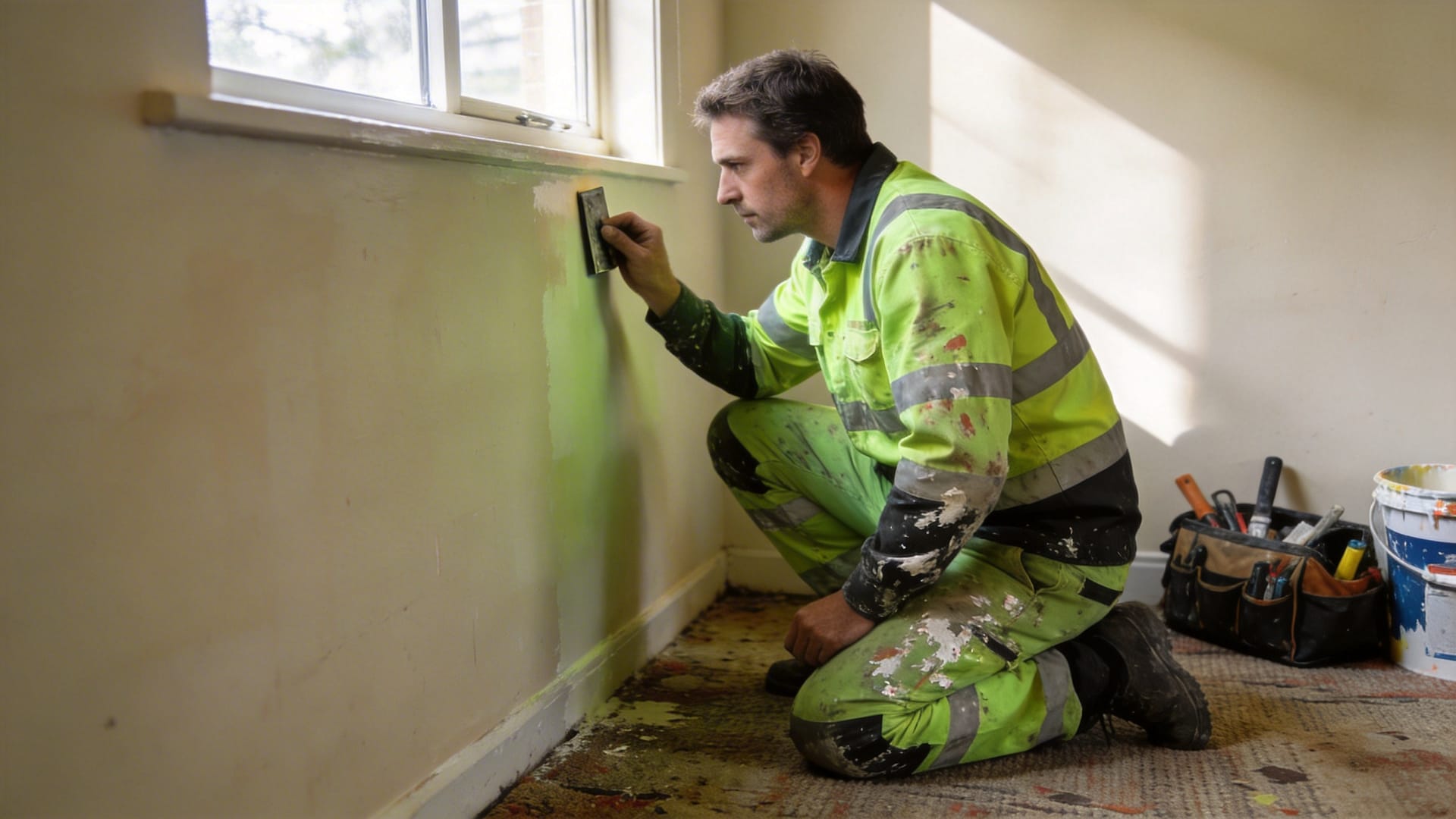
Why asking questions before hiring a painter matters so much
Painting is one of those services where the finished result can look deceptively similar on day one. A fresh coat can make almost any property look cleaner, brighter, and more appealing in the short term. What many homeowners only discover later is that the difference between a rushed paint job and a carefully managed one shows up over time. Peeling edges, early fading, patchy texture, bubbling, poor cut lines, or surfaces that were never prepared properly often come from choices made long before the first coat went on.
That is why the real value of these questions to ask before hiring a painter is not just to protect your money. It is to protect your outcome. A strong painter should be comfortable answering clear questions about preparation, products, timeline, cleanliness, communication, and what happens if something unexpected appears once work begins.
Questions to ask before hiring a painter: the essentials
Some homeowners worry about sounding too picky. In reality, asking good questions is one of the most practical things you can do. You are not interviewing someone for a five-minute task. You are letting them work on one of the most visible and valuable parts of your property. Here are the most important questions to ask before hiring a painter, and why each one matters.
1. What exactly is included in the quote?
This should always come early in the conversation. A painting quote can sound complete while still being vague. Ask whether the quote includes washing, scraping, sanding, filling, priming, masking, protection of nearby areas, number of coats, cleanup, and rubbish removal. Also ask whether difficult access, repairs, or weather delays could change the price later.
Many quote disputes happen because homeowners assume the painter will “obviously” include certain things, while the painter assumes those tasks are outside the agreed scope. A written breakdown makes comparison far easier. If you are still at the early enquiry stage and wondering how accurate an estimate can be before someone visits your property, this guide on getting a painting quote without a site visit is a useful next read.
2. How much surface preparation will be done?
Preparation is often the quiet factor behind a long-lasting paint job. Ask what prep is required for your specific surfaces. For example, exterior weatherboards, older trims, fences, decks, plaster, and roofs all need different approaches. If the answer sounds rushed or generic, that is worth noticing.
One of the best questions to ask before hiring a painter is simply: “How will you prepare this surface before painting?” The response will tell you a lot about experience, care, and whether the painter is thinking beyond appearance.
3. What paint products will be used, and why?
Not all paints are equal, and not all products are suitable for every surface or weather condition. Ask what brand and system will be used, what primer is recommended, and whether the chosen product suits interior or exterior conditions in New Zealand. A proper answer should explain durability, finish, washability, UV exposure, moisture resistance, and how the surface condition affects product choice.
4. How many coats are included?
This sounds basic, but it matters. Some quotes mention painting without clarifying whether that means spot priming plus two full coats, or just enough product to change the appearance. It is always better to ask clearly. Coverage depends on substrate, colour change, porosity, and surface condition, so the answer should be tied to your job rather than given as a blanket statement.

How to compare painters without getting trapped by the cheapest price
One of the most searched concerns around hiring painters is whether the cheapest quote is risky. Often, yes. Not always, but often. That is because lower quotes are frequently made possible by cutting time, reducing preparation, using lower-grade materials, simplifying access issues, or leaving parts of the work undefined.
A much smarter question to ask before hiring a painter is this: Why is your quote different from the others? A solid painter should be able to explain the difference calmly and specifically. Maybe they are more efficient. Maybe they have a smaller overhead. Maybe they included fewer repair items. Maybe they scoped the job differently. What matters is whether the explanation is clear and credible.
| Question to Ask | What a Strong Answer Looks Like | What Should Make You Cautious |
|---|---|---|
| What is included in the quote? | Detailed breakdown of prep, coatings, access, protection, cleanup, and exclusions. | “Everything you need” with no written detail. |
| How will the surface be prepared? | Specific prep steps based on material and condition. | Very little mention of prep or a generic one-line answer. |
| What paint system will you use? | Clear product explanation with reason for primer and finish choice. | No product information or “we will decide later.” |
| How long will the job take? | Realistic timeline with weather, drying time, and job stages explained. | Overly optimistic timing with no mention of variables. |
| What is not included? | Open, honest list of repairs, rotten timber, access issues, or extra scope. | Refusal to clarify exclusions. |
Questions about reliability, communication, and job management
Homeowners often focus on price and forget that the experience of getting the work done matters too. A painter can do decent brushwork and still create stress through poor communication, missed dates, unclear updates, or messy job habits. So when thinking about questions to ask before hiring a painter, include the practical side of working together.
Who will actually be on site?
Ask whether the person doing the quote will also manage the job, and whether subcontractors or a separate crew will carry out the work.
How will updates be handled?
Good communication can be as simple as clear start dates, progress updates, and quick notice if conditions change.
What happens if hidden issues appear?
Rotten timber, moisture problems, flaking old coatings, or damaged plaster can affect scope. A strong painter explains how variations are handled.
How will the site be protected and cleaned?
Ask about drop sheets, masking, furniture protection, daily tidy-up, and final cleanup. This matters more than many homeowners expect.
These details may feel secondary at first, but they often shape your overall experience. When clients later describe a painter as “easy to deal with” or “hard work,” they are usually talking about these job-management habits just as much as the painting itself.
Want a realistic starting point before comparing painters?
It is much easier to assess a painting quote when you already have a rough idea of likely costs. Use the calculator below to get a clearer estimate range, then contact the team if you want to discuss your project in more detail.
Questions to ask before hiring a painter for interior jobs
Interior painting tends to look straightforward, but it comes with its own risks. You should ask how furniture will be protected, whether patching is included, how sanding dust will be controlled, and what finish is recommended for walls, trims, ceilings, bathrooms, and high-traffic areas. Washability, odour, drying times, and family routines can all affect the plan.
If the job involves occupied spaces, another important question to ask before hiring a painter is: How will you work around people living in the home? That answer often reveals whether the painter has real experience in lived-in properties rather than only empty ones.
Questions to ask before hiring a painter for exterior jobs
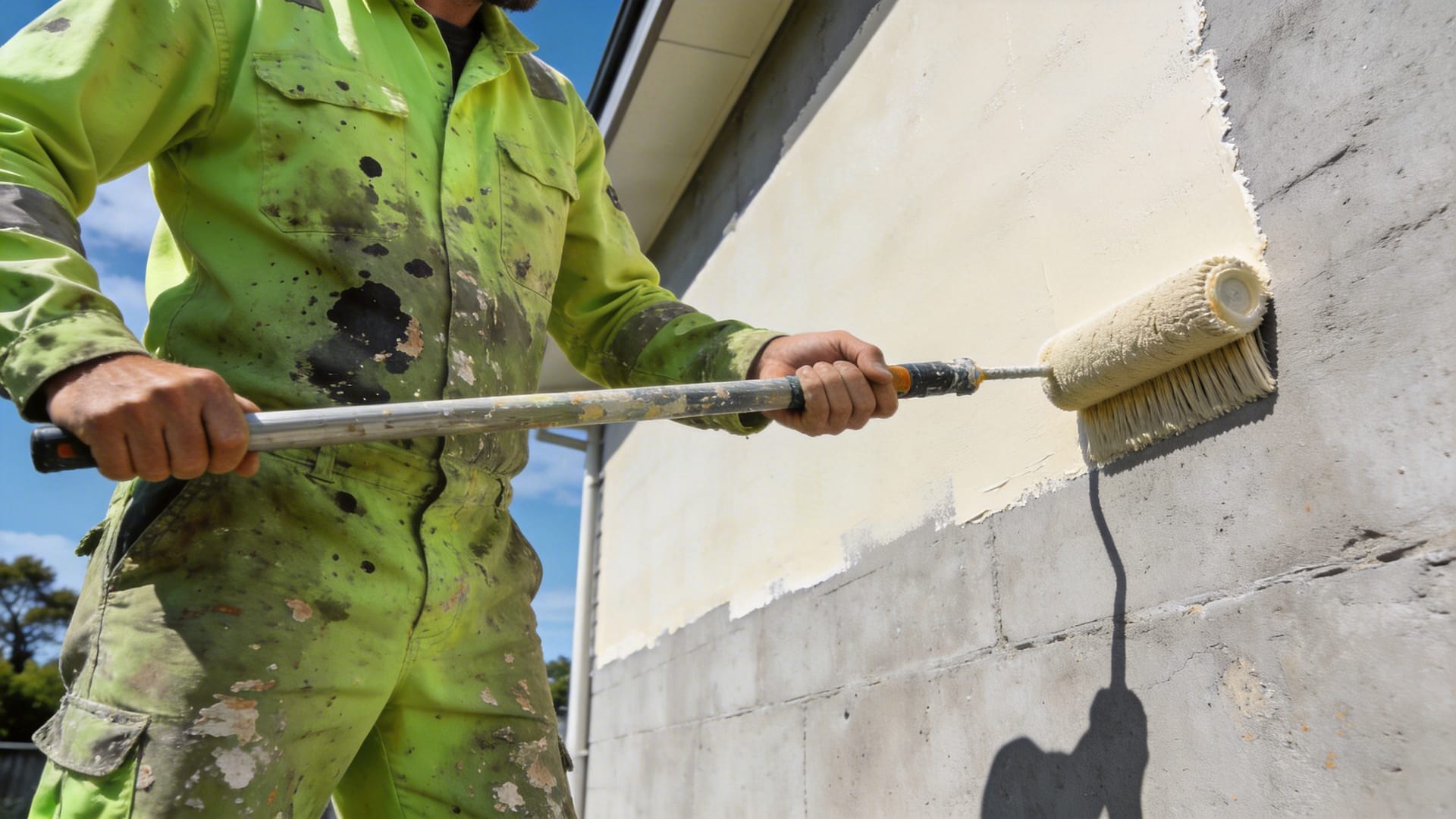
Exterior work in New Zealand needs special attention because weather exposure, moisture, UV, salt air in some areas, and substrate condition can all influence product choice and durability. Ask how the painter handles washing, mould treatment if needed, drying time, weather windows, and access equipment. Also ask what parts of the exterior are included: walls, trims, soffits, fascia, bargeboards, doors, windows, fences, decks, or just the main wall areas.
Exterior projects are also where access and condition-related variations most often appear. A painter who explains these clearly is generally far more trustworthy than one who tries to make everything sound “easy” too early.
What to listen for when a painter answers your questions
The answers themselves matter, but so does the way they are given. A reliable painter usually sounds clear, grounded, and specific. They are comfortable explaining what they know and also comfortable pointing out what cannot be confirmed until closer inspection. That balance is healthy.
Be cautious when every answer sounds overly polished but light on detail, or when basic questions seem to irritate the contractor. Good professionals know that homeowners need clarity before making a decision. In fact, the best questions to ask before hiring a painter often lead to the best working relationships because they reduce misunderstandings from the start. For a more caution-focused checklist, you may also want to read this guide on how to avoid bad house painters in NZ before making your final choice.
Common mistakes homeowners make before hiring a painter
A lot of painting headaches come from perfectly understandable assumptions. Homeowners are busy, they want the place to look good, and they naturally hope the professional will take care of the rest. But there are a few common mistakes worth avoiding:
Choosing purely on price
A low quote can feel like a win until surface prep, scope, or durability turns out to be weaker than expected.
Not asking for written clarity
Verbal reassurance is helpful, but written scope prevents confusion later.
Ignoring the condition of the surface
Older or damaged areas often need more work than homeowners expect. Good painters discuss that early.
Assuming all quotes are equal
Two painting quotes can describe very different levels of preparation, product quality, and labour input.
A practical shortlist of questions to ask before hiring a painter
If you want a quick version you can actually use, here is a practical shortlist:
What exactly is included in the quote?
How will the surfaces be prepared?
What paint system will you use?
How many coats are included?
What is excluded from the price?
How long should the project take?
Who will be on site each day?
How do you handle unexpected repairs or variations?
How will nearby areas be protected and cleaned?
How will communication work during the project?
This simple set of questions covers most of the issues that later cause frustration. It also helps you compare painters on substance rather than confidence alone.
Final thoughts on hiring the right painter
The best questions to ask before hiring a painter are the ones that help you understand how the work will actually be done, not just how the job will look when photographed at the end. Price matters, of course. But clarity matters too. Preparation matters. Communication matters. Scope matters. Product choice matters. And all of that becomes much easier to judge when you ask the right questions early.
A good painter should leave you feeling more informed after the conversation, not more uncertain. If you compare professionals using that standard, you are already in a much better position than most homeowners who simply collect a few numbers and hope for the best.
Frequently Asked Questions
What are the most important questions to ask before hiring a painter?
Start with scope, preparation, products, number of coats, exclusions, timeline, and cleanup. These questions reveal whether the painter is offering a thorough job or a stripped-down version that only looks cheaper at first glance.
Should I always get more than one painting quote?
Yes, in most cases. Multiple quotes help you compare not only price but also how each painter approaches preparation, materials, timing, and communication. The key is to compare detail, not just totals.
Is the cheapest painter usually a bad choice?
Not automatically, but a very low quote should be examined carefully. Sometimes the lower price comes from leaner overheads. Other times it reflects reduced preparation, lighter product use, or vague exclusions that become extra costs later.
Why is surface preparation such a big deal in painting?
Because paint lasts best when it is applied to a sound, clean, properly prepared surface. Poor prep is one of the main reasons homeowners later see peeling, bubbling, patchiness, or early failure.
How do I know if a painter is being too vague?
If answers stay broad even after you ask clear follow-up questions, that is worth noticing. A strong painter should be able to explain what is included, what is excluded, what products are planned, and how the job will be managed.
Should I ask about cleanup before hiring a painter?
Absolutely. Cleanup, masking, protection of furniture or outdoor areas, and rubbish removal all affect the real experience of the job. They should not be treated as afterthoughts.
Ask better questions, get a better paint job
When you know which questions to ask before hiring a painter, you stop comparing people on charm or price alone. You start comparing process, clarity, workmanship, and professionalism. That usually leads to a much better result for your home and a much calmer experience from start to finish.