9 Signs Your House Needs Repainting
Your house probably needs repainting when the coating is no longer staying firmly attached, keeping the surface sealed or cleaning up properly. Peeling paint, exposed timber and open joints call for prompt attention; widespread fading, chalking and fine cracking mean it is time to plan rather than wait for failure.
Repaint soon if paint is lifting, bare material is visible or moisture is entering through failed coating and sealant.
Plan a repaint if two or more ageing signs appear across the same elevation. If the finish is sound and the problem is only removable dirt, start with washing.
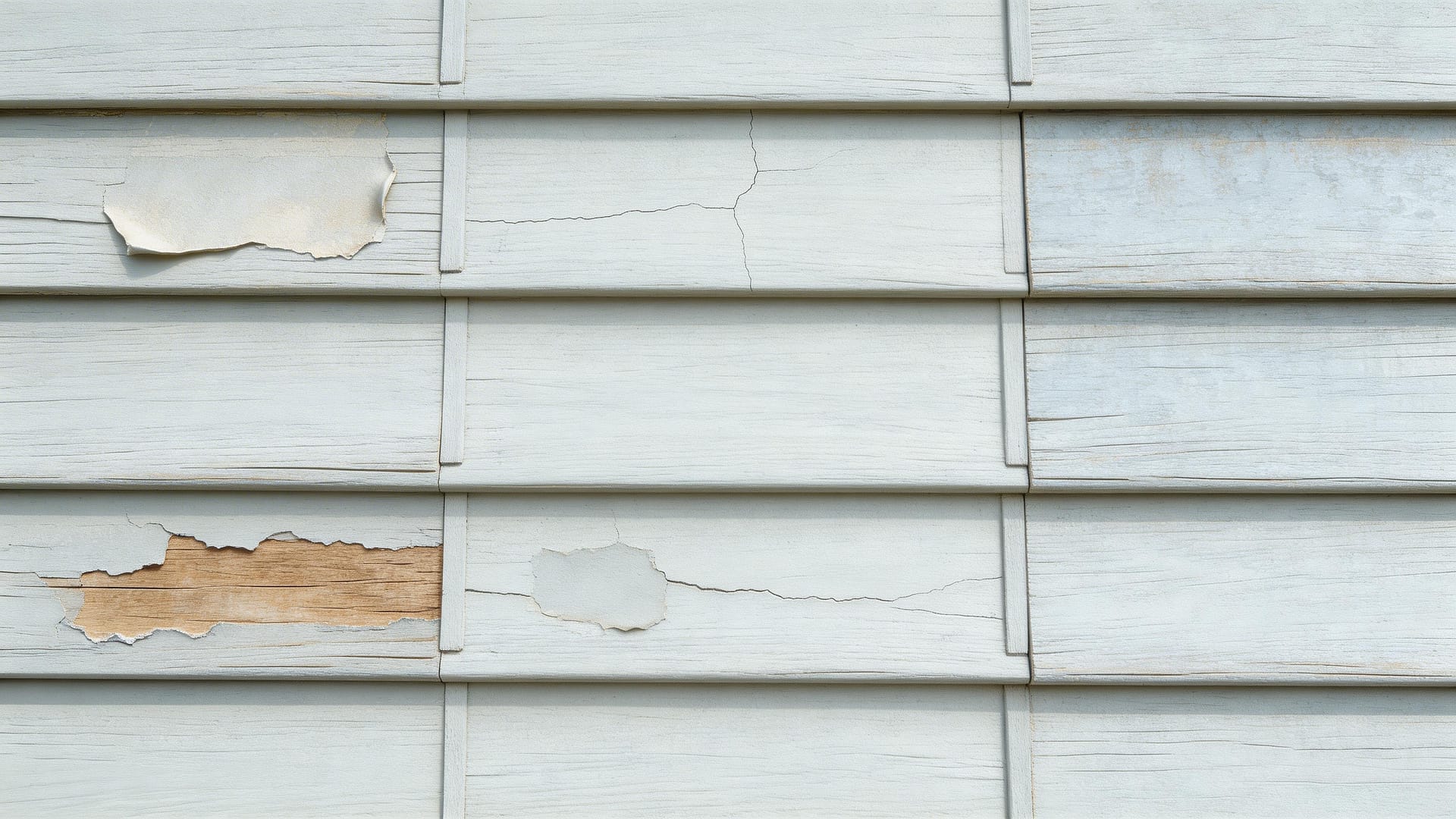
How urgent are the warning signs?
Do not judge the job only by how unattractive the paint looks. The useful question is whether the coating is still attached, the substrate is still protected and moisture has been ruled out.
Peeling or blistering is spreading, bare timber or cladding is visible, joints are open, or water-related damage is suspected. Find the cause, repair it and restore the coating before deterioration spreads.
Several elevations show chalking, fading, fine cracking, worn edges or recurring biological growth. The house may still be protected, but prep will usually become heavier if you keep waiting.
The problem is isolated dirt, light surface mildew or minor scuffing. Paint remains firmly bonded, joints are intact and no material is exposed. Clean appropriately, then inspect again.
A practical threshold: one isolated cosmetic issue may only need maintenance. Two or more related signs across the same wall usually justify planning. Any loss of adhesion, exposed substrate or unexplained moisture moves the issue into the prompt-action category.
That distinction matters because delayed repainting can turn a straightforward preparation-and-coating job into a repair project. The related guide to what happens if you do not repaint your house explains how failed coatings can increase the work required later.
The 9 clearest signs your house needs repainting
Look for patterns, not just one dramatic patch. A north- or west-facing wall may age ahead of the rest of the home, while trims, board ends and joints often fail before broad wall areas.
Peeling, flaking, bubbling or blistering
Paint that lifts from the surface has lost adhesion. Age, inadequate earlier preparation, heat or moisture can all contribute, so a new topcoat alone is not the fix.
Pay special attention if the affected area grows after rain or appears near bathrooms, roofs, windows or plumbing. The moisture source must be addressed before repainting.
Bare timber, fibre cement or other exposed material
Worn fascia edges, weatherboard ends, window trims and corners can expose the substrate even while the wider wall still looks acceptable. Those vulnerable points receive concentrated sun, rain and movement.
Exposed material should not be treated as a cosmetic defect. It is evidence that the protective paint system is incomplete.
Cracked or shrinking sealant around windows and joints
Paint and flexible sealants often age together. Gaps around joinery, trims and cladding junctions can admit water even when nearby paint still appears tidy.
Simply coating over failed sealant hides the symptom without rebuilding the joint. The failed material needs appropriate preparation and replacement as part of the scope.
A powdery residue when you rub the paint
Fine pigment on your hand is known as chalking. Light chalking can occur as paint ages, but widespread or heavy residue shows that the exposed surface is breaking down.
Chalking must be removed during preparation. Painting directly over a weak powdery layer can prevent the new coating from bonding correctly.
Fine cracking, splitting or a brittle paint film
Ageing paint can lose its ability to accommodate normal surface movement. Fine cracks may first appear at timber joints, board edges or highly exposed areas before developing into flaking.
Do not confuse a crack in the coating with a deeper building crack. Movement, recurring gaps or damage through the substrate deserves separate investigation.
Recurring mould, mildew or damp staining
Surface growth does not automatically mean repainting is required. Shading, vegetation, poor airflow and water run-off can make an otherwise sound coating dirty again.
If staining returns quickly after appropriate cleaning, or the coating beneath is soft, cracked or lifting, investigate the dampness before deciding on paint.
Uneven fading or a washed-out finish
UV exposure can make the most exposed elevation look flatter or lighter than sheltered walls. Fading alone is often cosmetic, but fading combined with chalking, thinning or brittleness suggests wider coating degradation.
If a colour change is part of the project, compare exposure as well as appearance. The guide to exterior paint colours for New Zealand homes can help frame that decision.
Stains, bubbles or peeling on interior walls and ceilings
Scuffs and tired colour are normal reasons to redecorate. Brown marks, recurring bubbles, soft plasterboard or peeling beside wet areas are different: they may point to leaks, condensation or ventilation problems.
Painting over a damp symptom can hide it temporarily while the underlying problem continues.
The finish stays patchy, marked or tired after cleaning
A sound finish should usually look noticeably better after appropriate cleaning. If walls remain uneven, old touch-ups stand out, marks cannot be cleaned without affecting the surface or trims have lost definition, the coating may have reached the end of its useful decorative life.
This is usually less urgent than exposed material, but it is a legitimate repaint signal—especially before selling, renting or completing other exterior maintenance.
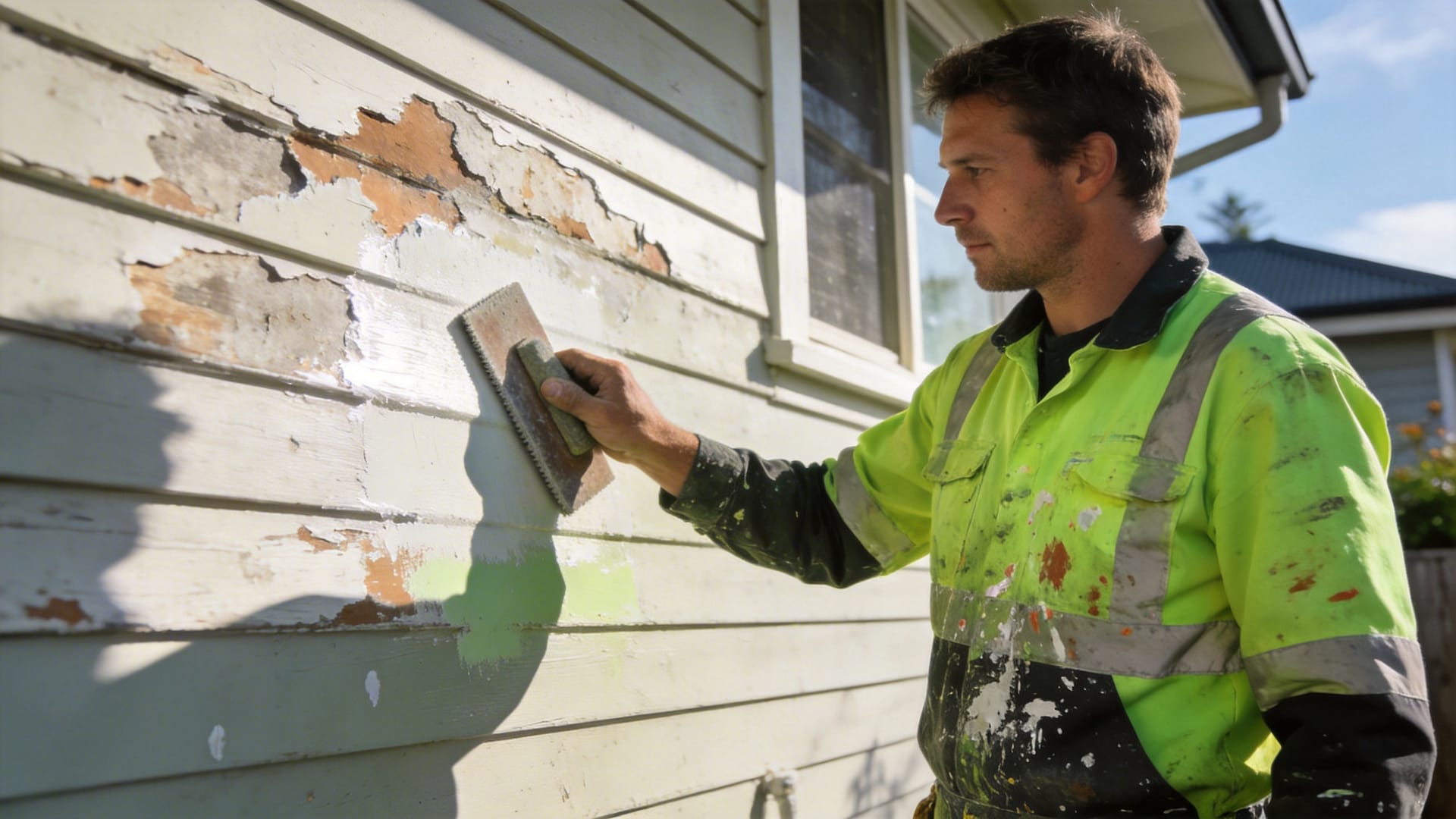
A 5-minute house paint inspection
Walk around the home in dry daylight. Take close-up and wider photos, note whether each defect is isolated or repeated, and never climb where safe access is not available.
| Test | What a sound surface looks like | What suggests repainting or investigation |
|---|---|---|
| Visual check | Consistent finish with no exposed material | Peeling, cracks, bare spots, bubbles or uneven thinning |
| Hand-rub check | Little or no loose powder on a dry surface | Heavy pigment residue across more than one test area |
| Cleaning check | Dirt lifts and the coating remains intact | Staining returns, the finish stays patchy or cleaning exposes weakness |
| Pattern check | One isolated maintenance item | Several connected defects on the same wall or repeated around the home |
| Moisture check | No active stains, soft material or growth pattern | Damage worsens after rain or appears beside plumbing, roofs or wet rooms |
This is a homeowner screening check, not a substitute for a painter’s site inspection, moisture diagnosis or building assessment.
Does the house need washing, spot repair or repainting?
The cheapest action is not always the smallest action. It is the action that resolves the actual condition without covering up a cause or repeating the job soon afterwards.
| Likely response | Usually suitable when | Usually not enough when |
|---|---|---|
| Wash and monitor | Paint is firmly attached and the issue is removable dirt, grime or light surface growth | There is heavy chalking, exposed material, active peeling or recurring dampness |
| Spot preparation and repair | Wear is truly isolated, the surrounding coating is sound and colour matching is acceptable | Small failures repeat across an elevation or the remaining coating is the same age and condition |
| Repaint one elevation | One exposed side has aged materially faster and a natural break makes the scope practical | Ageing is widespread or a partial colour and sheen match would be conspicuous |
| Full exterior repaint | Multiple elevations show related deterioration, or a consistent protective and visual result is required | The underlying issue is an unresolved leak, movement or damaged substrate |
| Repair before painting | Rot, failed joints, soft substrate, leaks or building defects are present | Never skip the repair stage simply to make the surface look finished |
Interior vs exterior repainting signs
Exterior paint is primarily a protective system exposed to weather. Interior paint is more often replaced for cleanability, wear and appearance—unless moisture or movement is involved.
Exterior signs
- Peeling, blistering or flaking coating
- Bare timber, cladding or worn board edges
- Chalking and UV-related fading
- Cracked paint film or failed sealant
- Recurring growth on damp, shaded walls
Decision basis: adhesion, weather protection, moisture control and the amount of preparation required.
Interior signs
- Scuffs, stains and surfaces that no longer clean well
- Patch repairs or touch-ups that remain visible
- Faded or dated colour and uneven sheen
- Peeling in kitchens, bathrooms and laundries
- Ceiling stains, bubbles or recurring mould
Decision basis: condition, cleanability and appearance—after leaks, condensation or ventilation issues are addressed.
If you are comparing both interior and exterior work rather than one outside project, start at the Painting Cost Estimator NZ tool hub to choose the relevant cost path.
Why one side of an NZ house may need repainting first
Paint age is useful context, but exposure and preparation often explain condition better. Two homes painted at the same time can deteriorate at very different rates.
Condition beats the calendar. The date of the last repaint does not show how well the surface was prepared, which coating system was used or how severely each elevation has been exposed.
Use the existing paint age as one input, then compare it with what you can see and feel. For a fuller discussion of coating life and the variables behind it, read how long exterior paint lasts in New Zealand.
What the warning signs mean for repainting cost
The visible area is only part of the budget. Coating failure changes the preparation, access and repair work that must happen before the finish coats go on.
Cost usually rises when the job includes
- Extensive scraping, sanding or removal of unsound paint
- Repair to timber, cladding, plaster or joints
- Stain sealing, spot priming or a broader primer system
- Difficult height, restricted access or scaffolding
- Many trims, windows, colour changes or detailed surfaces
- Multiple elevations rather than one naturally separated area
Get a useful first budget
Start with a broad NZ pricing guide to understand the likely project range, then use a calculator to model your own house. A painter’s inspection is still needed for final preparation and repair scope.
FAQ about signs a house needs repainting
How do I know whether my house needs repainting or just washing?
Wash first when dirt or light surface growth is the only issue and the coating remains firmly attached. Repainting becomes more likely when cleaning reveals fading, heavy chalking, cracks, exposed material or loss of adhesion. Recurring damp staining should be investigated before either decision.
What is the most urgent sign that exterior paint is failing?
Peeling or blistering with exposed substrate is among the clearest urgent signs because the protective system is already incomplete. Failed joints, soft material and damage that worsens after rain also need prompt attention.
Is faded paint enough reason to repaint?
Mild, even fading may be mainly cosmetic. Repainting is more strongly indicated when fading is widespread or is accompanied by chalking, brittleness, worn edges or uneven coating thickness. Compare the exposed elevation with a sheltered wall before deciding.
Can only the damaged side of a house be repainted?
Sometimes. Repainting one elevation can be practical when exposure has caused genuinely isolated wear and the building has a natural visual break. Check the remaining elevations carefully and allow for possible colour or sheen differences between old and new paint.
Should I paint over small cracks?
Do not simply cover them. First determine whether the crack is limited to the paint film, follows a joint or passes through the substrate. Preparation and flexible filling may be appropriate for some minor surface defects; recurring or structural movement needs further investigation.
Does mould always mean the house needs new paint?
No. Surface growth can result from shade, poor airflow, vegetation or moisture and may respond to suitable cleaning. If it returns quickly or sits over soft, peeling or cracked paint, resolve the environmental cause and assess the coating beneath it.
Can I wait until the paint starts peeling?
You can monitor a sound finish, but widespread chalking, cracking, thinning and failed sealant are reasons to plan before peeling begins. Repainting while the underlying material remains sound often reduces preparation and repair compared with waiting for broad coating failure.
What information should I collect before asking for a painting quote?
Record the areas affected, wall materials, number of storeys, access limitations, approximate paint age and any known leaks or repairs. Include clear close-up and whole-wall photos. This helps the painter understand the likely scope, although a site inspection may still be necessary.
Do not wait for every wall to peel before planning
If several repainting signs are already present, document the affected areas and get a working budget. The estimator gives you a practical starting range; a painter can then confirm access, preparation, repairs and the appropriate coating system on site.