How Long Does Exterior Paint Last in NZ?
It sounds like a simple question, but in New Zealand it rarely has a one-size-fits-all answer. Some homes still look tidy after many years, while others start fading, chalking, peeling or soaking up moisture much sooner than owners expected. The reason is not just the paint itself. It is the mix of sun, salt, wind, rain, surface type, prep quality and how exposed your house really is.
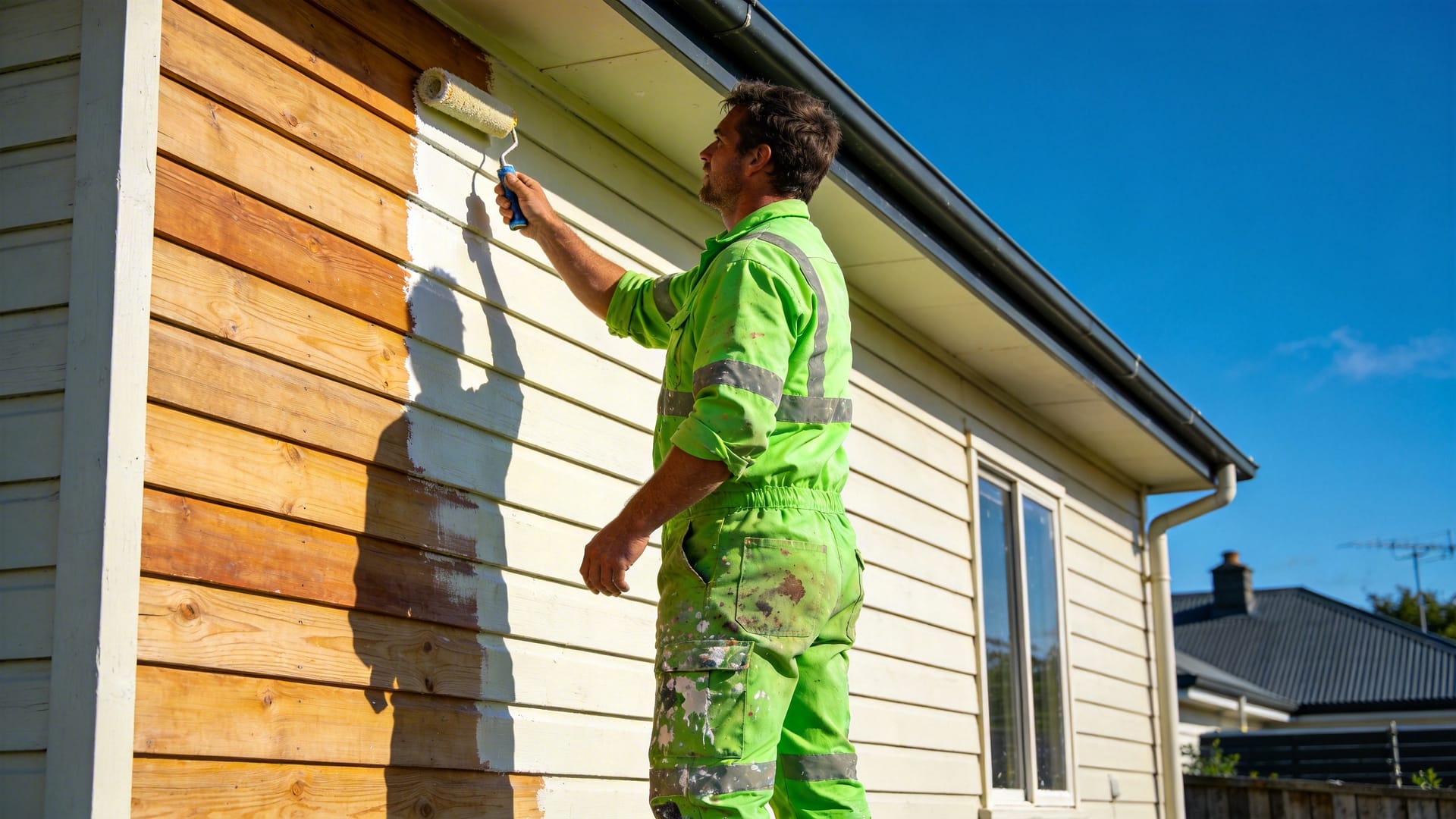
If you have ever looked at your place and thought, “Is this still fine, or am I already leaving it too late?”, you are definitely not the only one. Many homeowners search for how long does exterior paint last in NZ because they want a realistic timeframe, not a vague marketing answer. They want to know whether a repaint is still a future job, or whether delaying it might start costing them more.
The honest answer is that exterior house paint in New Zealand often lasts somewhere around 7 to 15 years, but that range can shift quite a lot depending on the property. A sheltered brick house inland can hold up much longer than a weatherboard home near the coast facing strong sun and wind. So instead of pretending there is one neat number, this guide breaks down what really affects exterior paint lifespan NZ, what warning signs matter most, and how to judge the condition of your own home more accurately.
So, how long does exterior paint last in NZ really?
The biggest mistake is assuming all homes age the same way. They do not. In New Zealand, the weather can be surprisingly hard on exterior paint, especially where UV exposure, wet winters and coastal salt all work on the same surface year after year.
For a broad rule of thumb, many people use these rough ranges when thinking about how long exterior house paint lasts in NZ:
| Surface / Situation | Typical Lifespan Range | What Usually Changes the Result |
|---|---|---|
| Weatherboard exterior in a moderate location | 8–12 years | Prep quality, colour choice, drainage, sun exposure, maintenance washing |
| Highly exposed coastal or windy location | 7–10 years | Salt, driving rain, harsh UV, faster wear on sunny and windward elevations |
| Brick or masonry with stable coating system | 10–15 years | Moisture movement, cracks, previous coating compatibility |
| Homes with poor prep or paint applied over issues | Shorter than expected | Peeling, bubbling, flaking and premature failure are much more likely |
Those numbers are not there to make the topic fuzzy. They are there because the search phrase how long does exterior paint last in NZ depends heavily on context. One side of a house might still be performing well while another side is already showing fatigue. North-facing and west-facing walls often age faster under stronger sun, while shaded or damp areas may struggle more with mildew and moisture.
In other words, the better question is not only “How old is the paint?” but also “How well is the coating still protecting the house?” That is what actually matters.
Why exterior paint in New Zealand can wear out faster than people expect
What surprises many homeowners is that house exterior paint durability NZ is not just about paint brand. A home can use decent paint and still age badly if the conditions are rough enough. New Zealand houses often deal with a combination of strong UV, changing temperatures, moisture, salt in the air, and movement in the substrate. If you want to understand that part in more detail, this guide on how NZ weather affects exterior paint is a useful companion read before deciding whether a repaint is close or still a few years away.
1. New Zealand UV is no joke
Even when temperatures feel moderate, UV can slowly break down binders and fade colour. Dark colours often absorb more heat, which can add stress to surfaces and create more visible ageing on some claddings.
2. Coastal air shortens paint life
If you live near the sea, salt can sit on the exterior and work against the finish over time. Homes in coastal suburbs often need more frequent washing and closer inspection, even when the paint still looks decent from the street.
3. Moisture is often the hidden issue
Bubbling, peeling and flaking are not always “old paint problems.” Sometimes they point to moisture, failed sealant, blocked drainage, cracked timber or previous paint applied over a surface that was not dry enough.
4. Preparation decides a lot
When people ask how long exterior paint lasts in NZ, preparation is one of the biggest factors. Cleaning, scraping, sanding, treating affected areas, spot priming and using compatible coatings can make a huge difference.
Signs your exterior paint is nearing the end of its life
A lot of people wait for obvious peeling before they start asking about repainting. That is understandable, but it is not always the cheapest approach. Often the earlier signs are subtler: fading, chalkiness on your hand, tired-looking timber, patchy sheen, cracking around joints, or the feeling that the house simply no longer looks sealed and crisp.
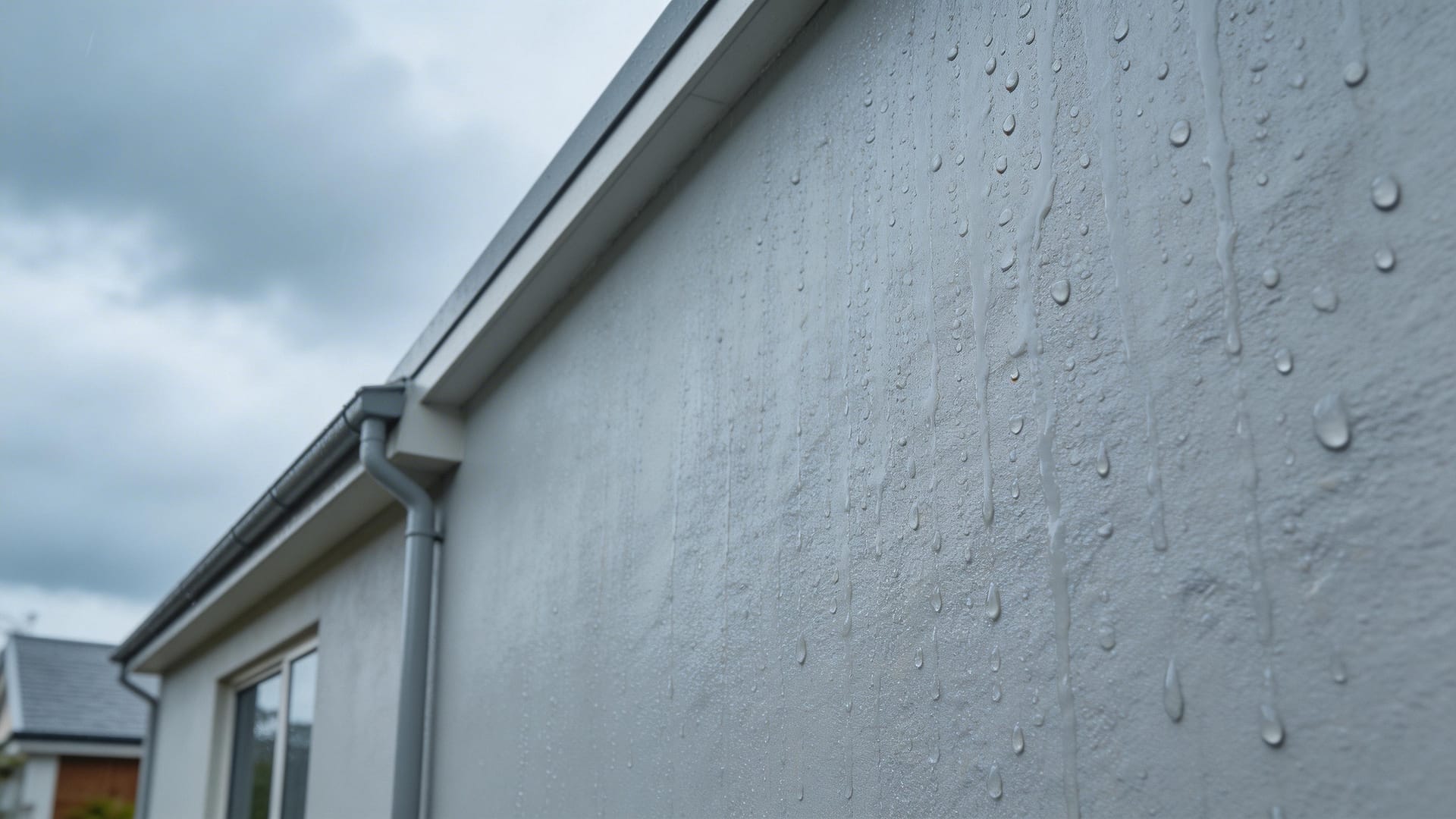
When judging when to repaint exterior house NZ, here are some of the most useful signs:
| Sign | What It Can Mean | Why It Matters |
|---|---|---|
| Fading or uneven colour | UV breakdown, ageing finish, exposure differences | The coating may still be present, but its protective performance could be declining |
| Chalking | Surface binder breakdown | Usually a sign the paint film is ageing and losing integrity |
| Peeling or flaking | Adhesion failure, moisture, poor prep, incompatible coats | Protection is compromised; delaying can expose substrate damage |
| Cracks around trims and joints | Movement, sealant failure, ageing film | Moisture can begin entering vulnerable areas more easily |
| Mould or persistent staining | Dampness, insufficient sun, poor drainage | May indicate maintenance or moisture issues beyond simple repainting |
What usually lasts longer: weatherboard, brick, plaster or other exterior surfaces?
Not all surfaces age the same. This is one reason searchers looking for how long does exterior paint last on weatherboard in NZ may get a different answer than someone with painted brick or plaster cladding. The substrate changes how the coating moves, how much moisture it handles, and how visible wear becomes.
Weatherboard homes
Painted weatherboard houses are common in New Zealand, and they can look fantastic when maintained properly. But they also tend to show ageing more clearly. Timber movement, end grains, joints and exposure differences can all make wear more obvious. That is why many owners of weatherboard homes keep a closer eye on condition rather than simply counting years since the last repaint.
Brick and masonry
Painted brick can sometimes hold appearance well for longer, especially in stable conditions, but it has its own issues. Cracks, moisture trapping and previous coating compatibility matter a lot. A house may look visually fine while still hiding performance problems if moisture is not escaping the way it should.
Plaster and textured claddings
These can vary a lot. Fine cracks, water entry points and movement need to be handled carefully. If the system underneath is sound and the coating system is appropriate, the finish can perform well, but owners should not rely only on surface appearance.
Useful next step before you guess the repaint timing
If your home is starting to look tired and you are already thinking ahead, it often helps to pair the lifespan question with a realistic budget view. That way you are not just asking how long does exterior paint last in NZ, but also what a repaint may involve when the time comes. For a broader price perspective, you may also find this breakdown of the average cost to paint a house exterior in NZ helpful before comparing quotes or setting a budget.
How to make exterior paint last longer in NZ
People often ask the lifespan question as if it is fixed from the day the last painter packed up. In reality, there is a lot you can do to influence how long exterior paint lasts in NZ. Good maintenance does not magically turn a tired paint system into a new one, but it can slow down avoidable wear and help you spot issues before they become expensive.
Wash the exterior occasionally
Dirt, salt, mould and airborne grime all sit on the coating and affect appearance over time. A gentle maintenance wash at sensible intervals can help the paint hold up better, especially in coastal areas.
Deal with failed sealant and moisture quickly
It is surprisingly common for repainting to be delayed while small water-entry issues quietly get worse. If joints, flashings, trims or edges fail, the paint system can start suffering even if the rest of the wall still looks acceptable.
Do not ignore one bad elevation
A house does not age evenly. One side may need attention earlier. Checking only the best-looking side can give a false sense of confidence about overall condition.
Use appropriate coatings and proper prep
This may sound obvious, but it remains one of the main differences between a repaint that performs and one that disappoints. When owners ask best exterior paint durability NZ, the conversation should always include prep, surface condition and compatibility.
Should you repaint on schedule, or wait until the paint looks bad?
This is where the decision becomes practical. Some owners repaint a little before things get visibly rough because they want to protect timber, avoid larger prep bills and keep the house looking sharp. Others wait until signs are more obvious. Neither approach is automatically wrong, but waiting too long can make the eventual work heavier. If you are still weighing up whether the timing feels right, this guide on when you should repaint your house in NZ looks at the decision from a more timing-focused angle.

A repaint done while the house is still mostly stable is often simpler than a repaint delayed until widespread peeling, exposed timber or moisture problems appear. This is one reason many professionals prefer condition-based timing rather than waiting for dramatic failure.
So if you are wondering whether to repaint now or later, it helps to think in terms of risk. Is the current coating still protecting well? Or is the house already moving from normal ageing into avoidable damage?
Common questions people search around exterior paint lifespan in NZ
Search results around how long does exterior paint last in NZ usually branch into a few related concerns. People are not only asking about years. They are also trying to understand maintenance timing, signs of failure and whether repainting is urgent or still safely deferrable.
Does good paint guarantee long life?
Not by itself. Premium paint helps, but surface preparation, moisture control and environmental exposure still have a huge impact on the final result.
Do dark colours fail faster?
They can increase heat absorption and may show fading differently. That does not automatically mean they are a bad choice, but they can change how ageing appears.
Can one side of the house need repainting first?
Yes. Sun, wind and rain do not hit every elevation equally. Some owners first notice trouble on the most exposed side while the rest still looks acceptable.
Can washing extend paint life?
In many cases, yes. Especially near the coast, routine cleaning can help reduce salt and grime build-up that would otherwise shorten performance and appearance.
Final answer: what should homeowners remember most?
If you want the most useful answer to how long does exterior paint last in NZ, it is this: for many homes, somewhere around 7 to 15 years is a fair working range, but the true answer depends on how exposed the house is, what the surface is made from, how well the last job was prepared, and whether any moisture or maintenance issues were left sitting there.
That means you should not judge exterior paint life only by age. Judge it by condition. A house can be nine years into a paint system and still performing well, while another can be struggling earlier because the site is harsher or the original job was weaker. The smart move is to inspect before failure becomes expensive.
FAQ: How Long Does Exterior Paint Last in NZ?
How many years does exterior house paint usually last in NZ?
A broad practical range is often around 7 to 15 years, but this depends on exposure, surface type, preparation quality, maintenance and local conditions. Coastal and high-UV locations can shorten the lifespan.
Does exterior paint last longer on brick than weatherboard?
It often can, but not always. Painted brick may visually hold up longer in some cases, while weatherboard tends to show wear more clearly. Moisture behaviour, cracks and coating compatibility still matter a lot.
What are the first signs that exterior paint is failing?
Early signs include fading, chalking, patchy sheen, hairline cracks, mould staining and a generally tired appearance. Peeling and flaking are stronger signs that the coating is no longer performing properly.
Does living near the sea reduce exterior paint life in New Zealand?
Yes, it often does. Salt-laden air, wind and moisture can make coatings work harder, which is why coastal homes usually benefit from more frequent washing and closer inspection.
Should I repaint before the old paint starts peeling?
In many cases, yes. Repainting while the coating is ageing but still mostly stable can be simpler and more cost-effective than waiting until widespread peeling or substrate damage develops.
Can washing the house help exterior paint last longer?
It can. Gentle maintenance washing helps remove grime, salt, mould and contaminants that may shorten the life or appearance of the coating, especially in exposed areas.
Wrapping it up
Exterior paint in New Zealand is doing more than giving your house a nice colour. It is part of the protection system. That is why the question how long does exterior paint last in NZ matters so much. You are not only asking about looks. You are asking how long the home stays sealed, tidy and defended from the weather.
If your place is starting to look a bit faded, chalky or uneven, that does not always mean panic. But it does mean it is worth paying attention now rather than later. A well-timed repaint is usually easier, neater and less stressful than waiting until the damage becomes obvious.
And if you want to turn that question into something more concrete, the Exterior Painting Cost Calculator is a sensible next step.