Can You Live in a House While It’s Being Painted?
Usually, yes—but not every painting job is suitable to live through. The practical answer depends on the coating being used, the amount of sanding and repair, ventilation, which rooms are taken out of service, and who lives in the home.
If you are asking whether you can stay in your house while painters work, you probably do not need another vague “it depends.” You need to know what it depends on, which questions to ask before work starts, and what would make a night away the sensible choice. This guide is built around that decision.
Most healthy adults can remain in an occupied home during a well-managed, staged interior repaint using suitable water-based products. Do not assume that applies to every job. Fresh paint, solvent vapour, sanding dust and blocked access are different issues, and each needs its own control. The product label and safety information, the painter’s work plan and the household’s health needs should decide the answer—not a generic number of hours found online.
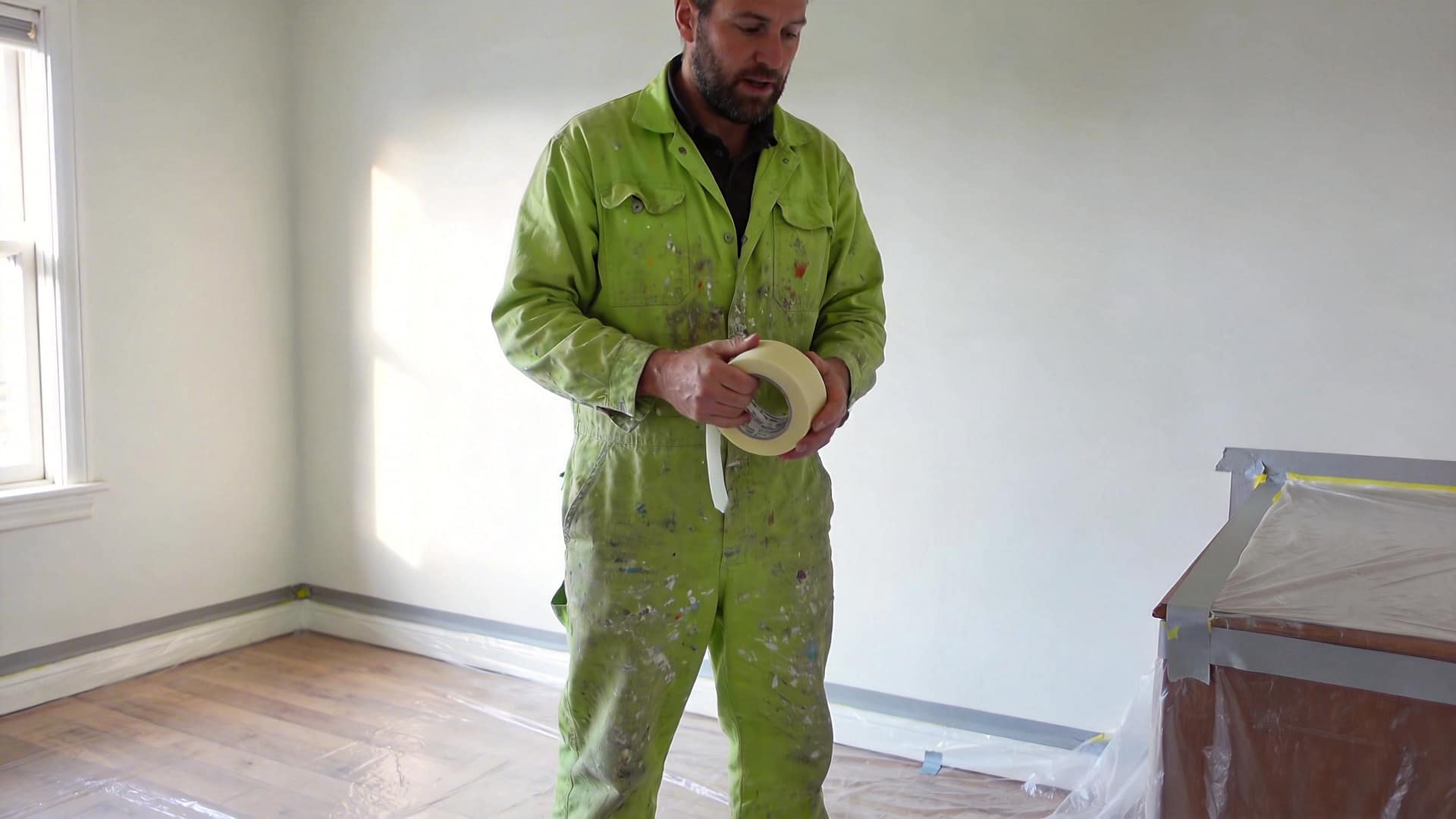
Should you stay home while the house is being painted?
Tick every statement that applies. The result is a planning signal, not a safety clearance: it helps you see whether your job is a simple occupied-home repaint, a project that needs careful staging, or one where temporary accommodation is worth discussing.
Quick decision table: can you stay or should you leave?
The size of the house matters less than whether essential rooms stay usable and whether dust and vapour can be contained. A large home may be easy to stage; a small apartment can become difficult after one hallway and one bedroom are closed.
| Painting situation | Usual starting point | What changes the answer | Best practical move |
|---|---|---|---|
| One spare bedroom, brushed or rolled | Usually stay | Ventilation, product instructions and whether prep dust can be contained | Close the room off, ventilate it outside and sleep elsewhere in the home. |
| Occupied three-bedroom home, painted in zones | Often workable | Whether one bedroom, one bathroom and a safe route remain available | Agree on a written room sequence and daily hand-back time. |
| Whole interior opened up at once | Plan nights away | Number of painters, furniture storage, hallway access and drying conditions | Ask the contractor to re-stage the work or book accommodation for peak disruption. |
| Heavy sanding, stripping or extensive repairs | Avoid active zone | Dust extraction, isolation, old coating risk and cleanup method | Do not treat this as “just painting”; request a separate dust-control plan. |
| Solvent-based or specialist coating indoors | Product-specific | Safety data, ventilation, application method and re-entry guidance | Follow the manufacturer’s instructions and the contractor’s risk controls. |
| Exterior-only repaint | Usually stay | Open windows, entry doors, scaffolding, noise and pets | Coordinate access and keep clear of ladders and work areas. |
The three tests that decide whether an occupied repaint works
Air
Can fresh air enter and contaminated air leave the active room without simply moving into the rest of the house? Opening windows on different sides can create better airflow than opening one window alone.
Isolation
Can doors, dust barriers and work rules keep people, pets and belongings out of the active zone? Sanding dust and wet coatings should not share the household’s normal traffic route.
Continuity
Will you retain a usable bed, toilet, basic food-preparation area and safe entrance? If several essentials disappear together, the home may be technically occupiable but not realistically liveable.
Can you sleep in a freshly painted room?
Do not use one universal waiting time for every paint and every household. “Dry to touch,” “ready to recoat” and “fully cured” describe different stages. A wall can feel dry while the coating is still curing and the room still needs ventilation. The correct wait depends on the exact product, how it was applied, room temperature and humidity, airflow, and who will use the room.
For a bedroom, the safest practical rule is to plan another sleeping space until the coating has reached the manufacturer’s stated stage for room use, the room has been well ventilated, and there is no household-specific reason to be more cautious. Ask the painter for the product name before the job—not after the final coat.
Dry to touch
The surface no longer feels wet under the stated conditions. This does not automatically mean the room is ready to sleep in.
Recoat time
The manufacturer’s minimum interval before another coat. It is a painting instruction, not a universal re-entry guarantee.
Cure time
The longer period in which the coating develops its final hardness and performance. Normal room use may be possible before full cure if the product guidance allows it.
Leave the affected area if anyone develops symptoms
Headache, dizziness, light-headedness, eye or throat irritation, nausea, wheezing or breathing difficulty are not signs to “push through.” Move into fresh air and seek appropriate health advice. WorkSafe New Zealand notes that organic solvent vapours can build up quickly in enclosed, poorly ventilated spaces. For urgent breathing difficulty, call 111; for health advice in New Zealand, Healthline is available on 0800 611 116.
Paint smell is only one part of the decision
Homeowners often reduce the question to fumes. In practice, an interior painting project can create four separate household problems: airborne vapour, preparation dust, loss of access and physical jobsite hazards. A low-odour wall paint may reduce one concern without solving the others.
| Issue | Where it comes from | What to ask for | Why it affects staying home |
|---|---|---|---|
| Vapour and odour | Paint, primer, stain blocker, thinner, cleaner or specialist coating | Exact products, water- or solvent-based system, safety data and ventilation plan | Risk varies by product, concentration, exposure time and the person exposed. |
| Sanding dust | Filling, sanding, scraping and removing unstable coatings | Dust extraction, barriers, cleaning method and old-paint assessment | Dust can migrate beyond the painted room and settle on food, bedding and toys. |
| Wet surfaces | Doors, trim, skirtings, stairs and hallway walls | Daily finish points and clearly marked no-touch zones | Normal household traffic can damage the finish or expose children and pets. |
| Blocked access | Drop sheets, ladders, furniture stacks and closed rooms | A maintained route to the entrance, toilet, sleeping area and kitchen | A home may become impractical even when the coating itself is straightforward. |
Water-based does not mean “no planning required”
Water-based interior coatings are often easier to live around than solvent-based alternatives, and WorkSafe lists substitution with water-based products as one way to reduce solvent exposure. But the complete coating system matters. A job may use water-based wall paint plus a different primer, stain blocker, enamel or floor coating. Ask about every product used indoors, including cleaners and thinners.
Spraying changes the exposure pattern
Brushing and rolling generally keep the coating closer to the surface. Spraying creates airborne overspray and normally demands more isolation and control. If an occupied interior will be sprayed, do not rely on the same plan you would use for one rolled bedroom. Ask where occupants must be during application and when the contractor considers adjacent areas ready to re-enter under that product’s instructions.
Older New Zealand homes need a separate lead-paint question
The New Zealand EPA says lead paint may still be present in houses built before lead was banned as a key paint ingredient in the 1970s. Intact old coating and disturbed old coating are not the same scenario: scraping, sanding, chipping or stripping can release contaminated dust. If the age or coating history is uncertain, ask how the painter will assess and manage the surface before preparation begins.
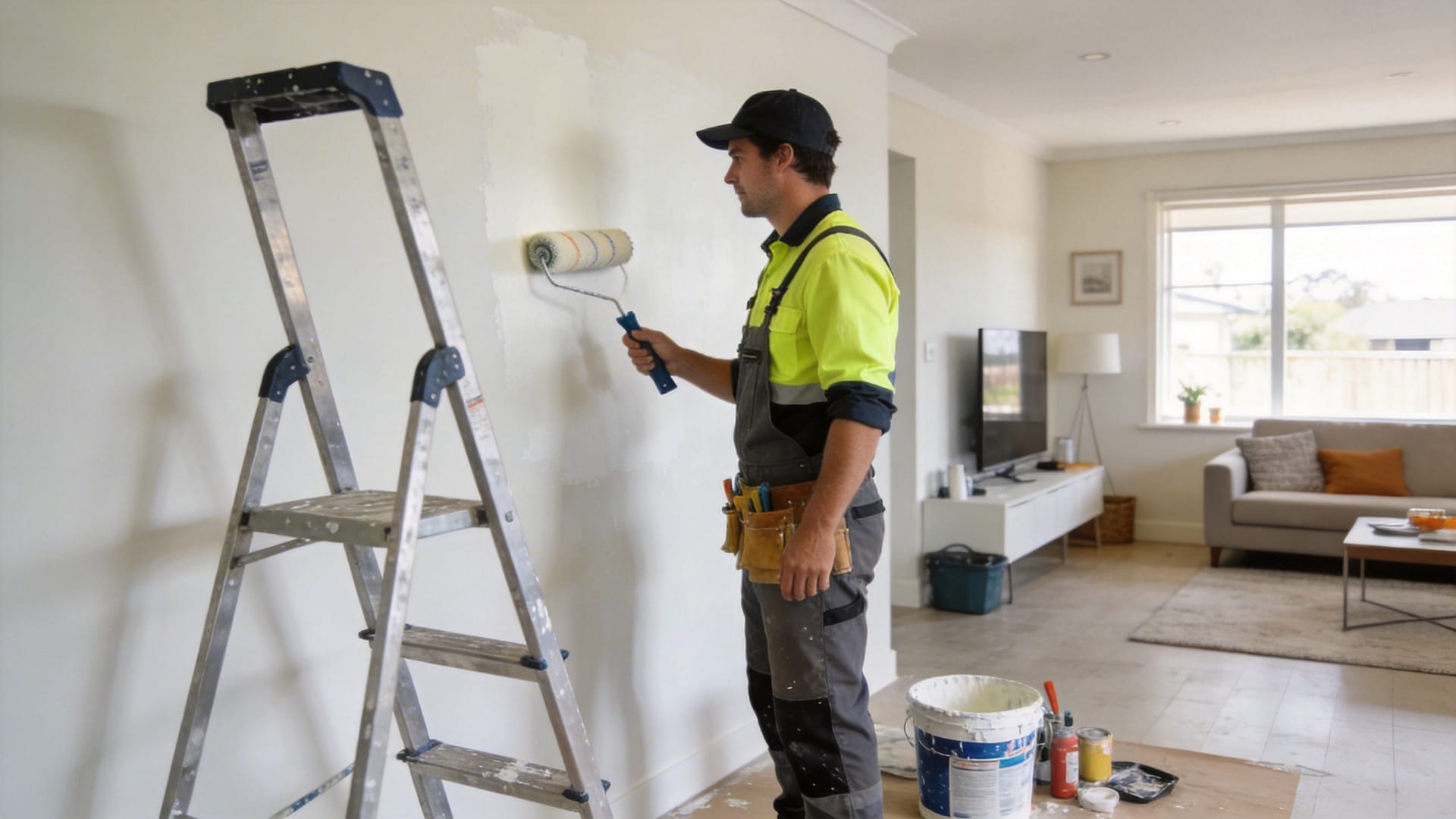
Who lives in the house can change the answer
A plan that is comfortable for one healthy adult may be a poor plan for a household with a baby, a person with asthma, a night-shift worker or a pet that cannot be contained. Tell the painter about these constraints while the quote is being prepared so the work sequence and product choice can be designed around them.
| Household situation | Main issue | Practical planning response |
|---|---|---|
| Babies and young children | More difficult to keep away from tools, dust, wet trim and blocked rooms | Arrange childcare or an off-site stay for prep and coating days if full separation is not realistic. |
| Pregnancy | Product- and exposure-specific concern | Discuss the exact products and exposure with a healthcare professional; avoid participating in sanding or solvent-heavy work. |
| Asthma, migraines or chemical sensitivity | Odour, dust or vapour may trigger symptoms at lower levels | Do not assume “low odour” settles the question; plan greater separation and seek individual health advice. |
| Dogs, cats and other pets | Escape through open doors, stress, wet surfaces and contact with work materials | Use a closed, untouched room or off-site care; never leave access control to the painting crew. |
| Working from home | Noise, dust-extraction equipment, interruptions and lost power or Wi-Fi access | Ask which days involve sanding, protect one quiet room, and schedule critical calls elsewhere. |
| Night-shift worker | Daytime sanding and crew movement make sleep difficult | Temporary accommodation may be more realistic than trying to change the contractor’s entire working day. |
How to live through interior painting: a room-by-room plan
The most effective occupied-home strategy is not “paint quickly.” It is “preserve one complete living zone while another is under contractor control.” That requires an agreed sequence, a daily hand-back routine and a clear boundary between household space and work space.
Confirm the scope and products
List every room, ceiling, door, trim item and repair. Record the exact coating system and identify any spraying, solvent products or old-paint preparation.
Protect one “clean zone”
Keep one bedroom or living area completely outside the project. Do not use it to stack furniture, paint tins, tools or drop sheets.
Keep essential rooms online
Do not close the only bathroom, the usable bed and the main access route together. Kitchen work should be sequenced so food can be safely prepared or an alternative is arranged.
Separate preparation from normal life
Ask where sanding happens, how dust is extracted, where barriers end and how the area is cleaned before the household walks through it.
Agree on ventilation and daily hand-back
Know which windows and doors will be used, who closes them, when rooms can be entered, and what the crew removes or secures before leaving each day.
Reassess after the first prep day
The first day reveals the real noise, dust, smell and access impact. Keep a flexible option for one or two nights elsewhere if the project is more disruptive than expected.
Example: staging a three-bedroom home
First zone
Paint the least-used bedroom and one secondary space first. The household keeps the main bedroom, bathroom, kitchen and living room.
Swap zones
Once the first zone has reached the agreed hand-back stage, move sleeping or storage there before work starts on the main bedroom.
Shared spaces last
Complete the lounge, hallway and kitchen-related areas with a precise daily access plan because these spaces affect everyone at once.
Furniture is often the hidden constraint. Before assuming the painter will move everything, read whether painters move furniture in New Zealand. The quote should say what the crew moves, what you must remove and where large items will sit while each zone is painted.
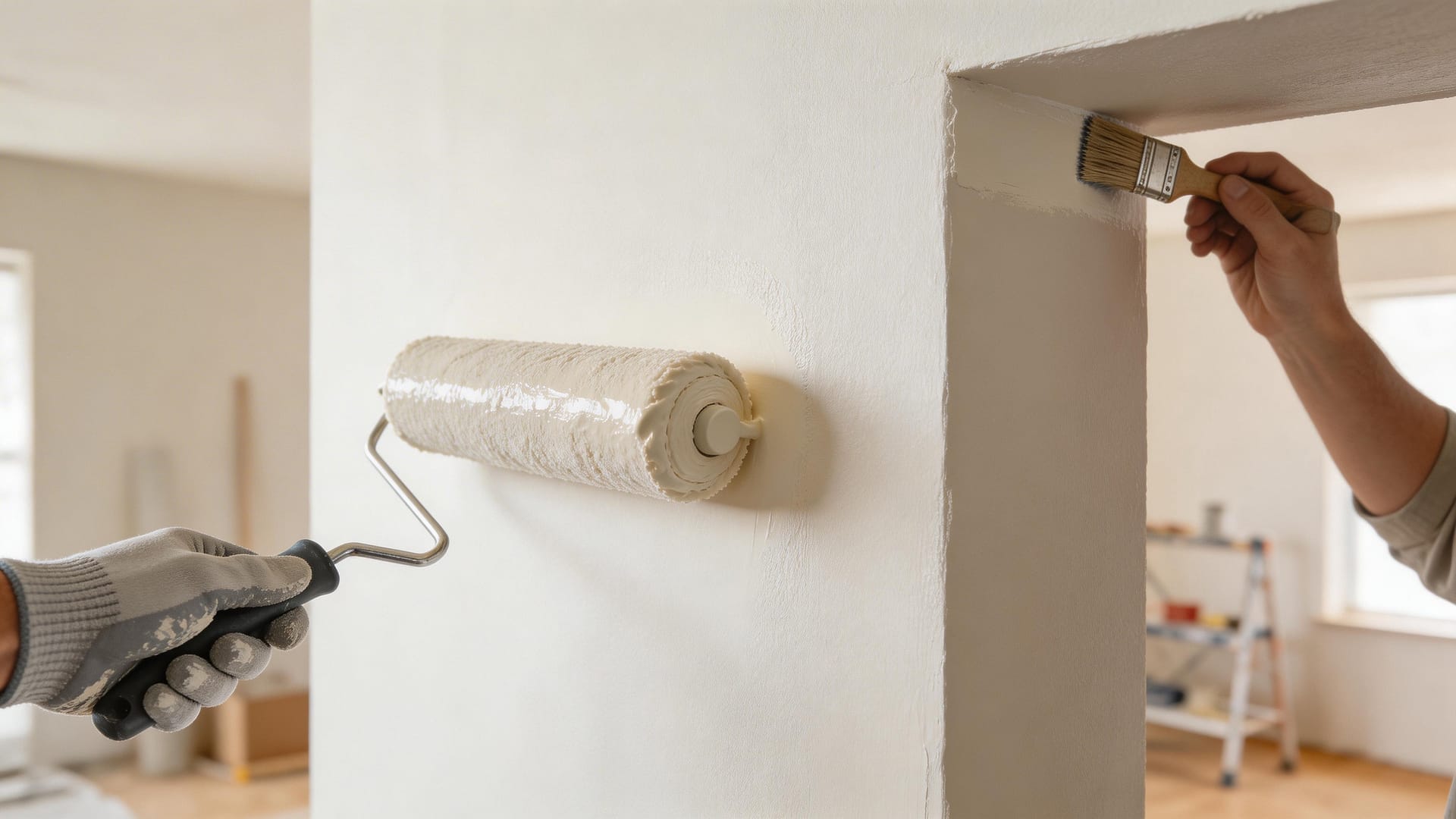
Interior and exterior painting are different living situations
An exterior repaint rarely requires a full move-out because most coating work happens outside. The practical problems are usually scaffolding, noise, locked or taped windows, door access, water-blasting, weather delays and keeping children or pets clear of ladders. Interior work occupies the rooms you sleep, cook and move through, so the sequence matters much more.
Interior painting
- Confirm the exact products used in every room.
- Maintain a clean living and sleeping zone.
- Control sanding dust and household traffic.
- Agree when each room returns to use.
Exterior painting
- Coordinate doors, windows and vehicle access.
- Keep pets away from open gates and work zones.
- Expect scraping, water-blasting and ladder noise.
- Ask how weather changes the programme.
If your job is outside only, use the more specific guide on whether you need to leave the house during exterior painting. It covers the access and day-to-day issues that are different from an interior repaint.
Work out the project size before deciding where to stay
“Whole-house painting” can mean a two-day refresh of a few walls or a multi-stage project involving ceilings, trim, doors, repairs and stain blocking. The decision becomes much easier when the scope is measured. Use the interior painting cost calculator to map the rooms and surfaces, then compare the result with the guide to the cost to paint the inside of a house in New Zealand.
Duration matters as much as price. A staged project can take longer on the calendar but be easier to live through; opening every room at once may shorten the programme while making the house unusable. Review how long it takes to paint a house in NZ, then ask the painter for both the total duration and the number of days each essential room will be unavailable.
12 questions to ask the painter before you decide to stay
The phrase “we use low-odour paint” is not a complete occupied-home plan. These questions turn a general reassurance into details you can actually make a decision from.
- Which exact paints, primers, fillers, stain blockers and cleaners will be used indoors?
- Are any products solvent-based, two-part or intended for spray application?
- Can I see the product label, technical data sheet and safety data sheet before work starts?
- Which rooms will be unavailable on each day, and when are they handed back?
- Will one bedroom, one bathroom, the kitchen and a safe exit route remain usable?
- How will sanding dust be extracted, isolated and cleaned?
- Could the age of the existing paint require lead-paint precautions?
- How will the active room be ventilated without pushing air into occupied rooms?
- Where will furniture, curtains, food, bedding, toys and pet items be stored?
- What should we do with children, pets or a household member with asthma or sensitivity?
- What happens if cold or humid weather slows drying and the room is not ready?
- Who do we contact if the work zone, access route or daily schedule changes?
For a broader contractor checklist, see the questions to ask before hiring a painter in New Zealand. A professional quote should make the preparation, inclusions, products and responsibilities clear enough that you can plan ordinary life around the job.
A good plan can be “stay most nights, leave for the worst stage”
This is not always a binary choice between living in the house for the entire project and moving out for the entire project. Many households stay during low-disruption preparation and staged wall painting, then spend one or two nights elsewhere when the main bedroom, hallway or solvent-based work becomes unavoidable. Ask the painter to identify that peak-disruption window before you book accommodation.
Common mistakes that make a live-in repaint harder
Opening every room at once
Removing pictures, shifting furniture and preparing all rooms together may look efficient, but it eliminates the clean zone that makes the house liveable.
Planning around finish coats only
Filling, sanding, masking and moving furniture are often noisier and messier than rolling paint. Ask for the preparation programme too.
Using smell as the only test
Odour can alert you to a problem, but the lack of a strong smell is not a substitute for product instructions, ventilation and a controlled work area.
Forgetting doors, trim and hallways
Walls may be easy to avoid. Wet door edges, skirtings, stairs and access corridors are the surfaces most likely to collide with normal household movement.
Leaving pet management to the crew
Painters need doors open and move equipment frequently. Arrange a secure pet plan before arrival rather than relying on someone to watch the gate.
Having no weather fallback
New Zealand winter conditions can make open-window ventilation less comfortable and slow drying. Decide what happens if a room cannot be handed back as planned.
Estimate the work before you plan the disruption
Map the interior scope first, then use the room list to ask the painter for a staged programme and product-specific re-entry guidance.
FAQ: living in a house while it is being painted
Can you stay in your house during a whole-interior repaint?
Often, if the project is divided into zones and you retain a clean bedroom, bathroom, food-preparation area and safe access route. Staying becomes much harder when the crew opens all rooms at once or when extensive sanding, spraying or solvent-based products are involved.
Can you sleep in a room the same day it is painted?
Do not rely on a universal same-day rule. Check the exact product instructions, ventilation and room conditions, and consider the person who will sleep there. Arrange another room until the coating has reached the manufacturer’s stated stage for use and the space has been properly ventilated.
How long do paint fumes last indoors?
There is no single duration that applies to all paints. The product, amount used, application method, temperature, humidity and airflow all matter. Ask for the product data rather than using smell or a generic online timeframe as the only test.
Is low-VOC paint enough to make an occupied job safe?
It can reduce one part of the exposure question, but it does not control sanding dust, wet surfaces, ladders, blocked rooms or other products in the coating system. Ventilation, isolation and household-specific needs still matter.
Should children or pets stay during interior painting?
Only if they can be reliably separated from the active work zone, tools, dust, open doors and wet surfaces. For major prep or several connected rooms, childcare or off-site pet care during the busiest stage may be the simpler option.
What if someone is pregnant or has asthma?
Ask for the exact product list and discuss the planned exposure with a healthcare professional. A low-odour claim is not individual medical advice. Greater separation or temporary accommodation may be appropriate, particularly during sanding or solvent-based work.
Do you need to leave for exterior house painting?
Usually not. Exterior work is generally easier to live around, although scaffolding, noise, water-blasting, locked windows, open gates and door access still need coordination.
Can you work from home while painters are there?
Yes for quieter coating days if you have a closed room outside the work zone. Sanding, dust extraction, crew movement and blocked Wi-Fi or power access can make important calls difficult, so ask for the daily schedule and work elsewhere on the loudest prep days.
How should you ventilate a room during painting in winter?
Follow the product and contractor guidance. Where practical, create airflow to the outside by opening windows on different sides, while keeping the work zone separated from occupied rooms. If weather prevents adequate ventilation, change the schedule or room-use plan rather than assuming drying will follow the original timing.
What is the best way to make living through painting easier?
Keep one untouched clean zone, work room by room, preserve essential facilities, arrange pet and child care, confirm every product, and agree on ventilation and daily hand-back times in writing before work begins.