Can Landlords Charge You for Paint Damage in NZ? A Straight Answer for Tenants
If you are renting in New Zealand and you are worried about wall marks, chipped paint, blu-tack stains, picture hook holes, scuffs, or a patchy DIY touch-up before moving out, this guide is for you. The main question tenants ask is simple: can landlords charge you for paint damage in NZ? The honest answer is sometimes yes, sometimes no. It depends on whether the issue is normal wear and tear, accidental damage, careless damage, or something that has genuinely reduced the condition of the property beyond ordinary use.
A lot of renters panic at the end of a tenancy because they are not sure where the line is. A few small scuffs on a wall after normal living usually do not feel the same as large dents, peeled paint caused by stickers, marker pen on the wall, or multiple badly patched holes. That is exactly where disputes begin. In real life, tenants do not care about theory. They care about this: Will I lose money? Will the landlord keep my bond? Do I need to repaint the room myself? Can a landlord charge full repainting costs in NZ?
This article breaks that down in plain English. We will cover what usually counts as fair wear and tear, what is more likely to be treated as paint damage, when landlords may try to charge for repainting, what evidence matters, and what you can do before the final inspection.
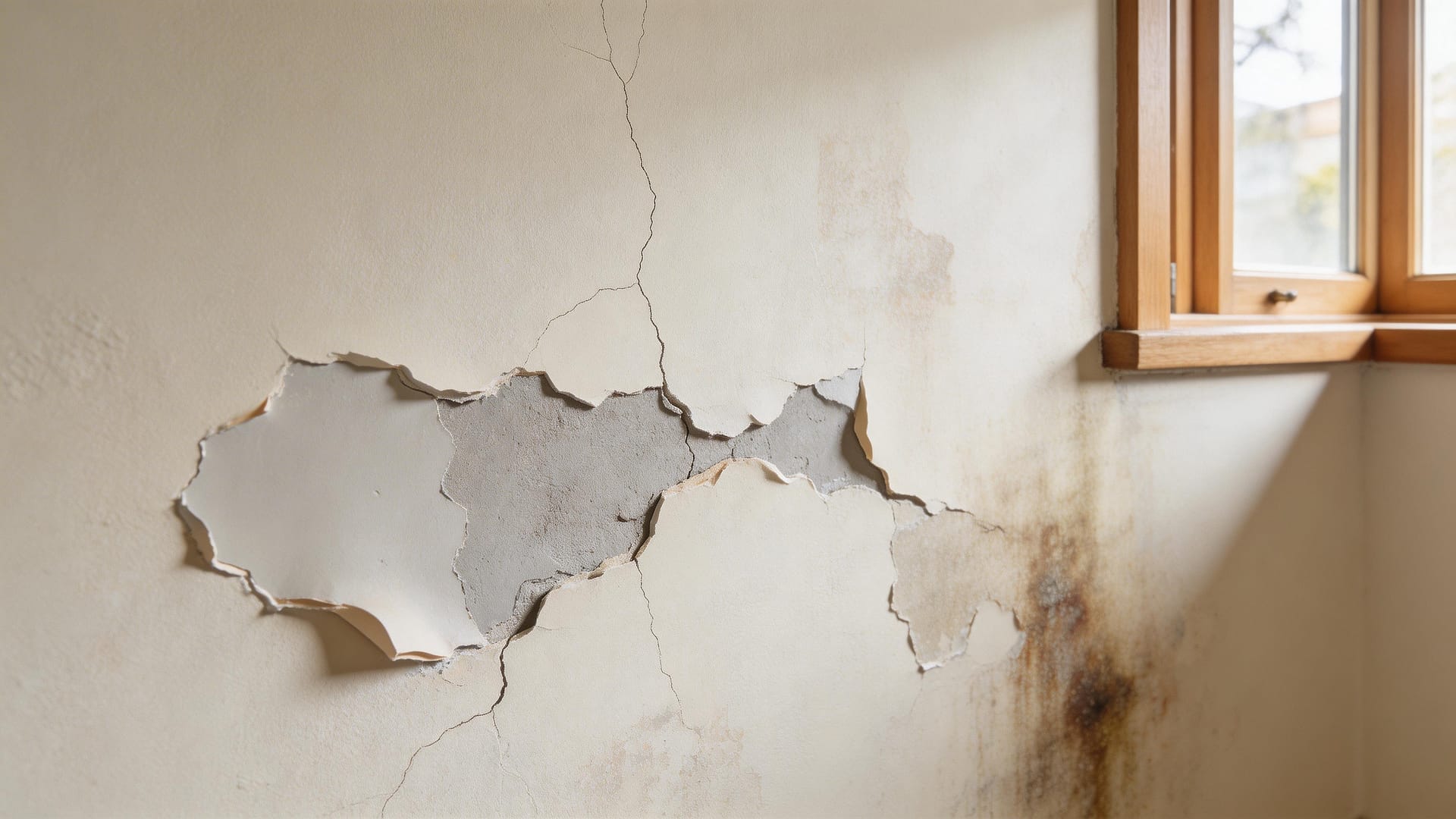
The short answer: can landlords charge you for paint damage in NZ?
Yes, a landlord in New Zealand may try to charge a tenant for paint damage if the damage goes beyond ordinary wear from normal living. That usually means the issue was caused by carelessness, misuse, neglect, deliberate action, or a failed attempt at repair. But a landlord cannot fairly treat every mark on a painted wall as tenant damage just because they want the place looking fresh again for the next tenant.
This distinction matters a lot. Paint does not stay perfect forever. Walls get minor rub marks, older paint dulls over time, and high-use areas such as hallways, bedrooms, door frames, and around light switches naturally show use. If a landlord wants the property to look “like new” after years of occupancy, that is not automatically the tenant’s bill.
Usually harder to charge for
- Minor scuffs from normal furniture use
- Light fading or general ageing of paint
- Small marks from day-to-day living
- Wear in high-traffic areas over time
- Older paintwork that was already tired when the tenancy began
More likely to be chargeable
- Large holes or multiple wall anchors
- Peeling paint caused by adhesives or poor tenant repairs
- Crayon, pen, heavy staining, or obvious misuse
- Patch painting that does not match the original finish
- Water damage caused by tenant behaviour or lack of care
What tenants in NZ care about most
Most tenants do not want a lecture. They want a checklist. Here are the biggest concerns people usually have when searching terms like can landlords charge for paint damage in NZ, can landlord charge for repainting after tenancy, or fair wear and tear walls NZ.
| Tenant concern | What it usually comes down to | Risk level |
|---|---|---|
| Scuff marks on walls | Often seen as normal wear if light and limited | Low |
| Picture hook holes | Depends on number, size, and whether permission was needed | Medium |
| Blu-tack or adhesive pulled off paint | Often treated as actual damage if paint has peeled | Medium to high |
| Badly patched walls | If the repair is obvious, uneven, or mismatched, it can become a bigger issue than the original mark | High |
| Landlord wants to repaint whole room | They may ask, but that does not always mean the full cost is reasonable | Case by case |
| Old paint was already poor | Condition at move-in matters a lot | Important for defence |
The biggest mistake tenants make is assuming that if there is any paint issue at all, the landlord automatically wins. That is not how it should work. The real question is whether the tenant caused damage beyond reasonable use, and whether the claimed repair cost is proportionate.
Fair wear and tear vs paint damage: where the real line usually sits
This is the heart of the issue. A tenancy does not freeze a house in time. If someone lives in a property for a long period, some decline in surface condition is normal. That is the landlord’s ordinary ownership risk. But if a tenant’s actions have directly damaged the painted surface, the landlord may have grounds to recover some cost.
Examples that often look like fair wear and tear
Light rubbing behind dining chairs, faint marks where furniture sat close to the wall, a slightly dull hallway, or older paint that no longer looks crisp are usually easier to argue as ordinary use. These things happen even with careful tenants, especially over a longer tenancy.
Examples that often look more like actual paint damage
Torn paint where command strips or tape were ripped off, greasy uncleaned wall stains, a child drawing on multiple walls, gouges from furniture being dragged, amateur filler work left rough and visible, or a colour-mismatched patch painted right in the middle of a wall. These are the situations where tenants are more exposed.

Can a landlord charge for repainting an entire room?
This is one of the most common tenant fears. A landlord may say the whole wall or room needs repainting because one section is damaged and spot-repair will not blend properly. In some cases that is true. Paint touch-ups often do stand out, especially with flat paint, older paint, faded surfaces, or if the original colour is hard to match.
But that does not mean every full-room repaint cost is automatically fair. Tenants should think about three things:
- Was the original paint already old or worn? If yes, it may be unreasonable to pass the full cost of a fresh repaint onto the tenant.
- Is the damage localised? If only one small area is affected, the claimed remedy should still be proportionate.
- Has the landlord shown proper evidence? Photos, check-in records, invoices, and a clear explanation matter.
A landlord should not use a tiny issue as an excuse to get a completely refreshed room at the tenant’s expense. That is exactly why move-in photos and condition reports matter so much.
There is also a bigger property-management question sitting behind this. If the walls are tired and the owner is mainly trying to make the home more appealing for the next tenant, that may be a normal pre-rental maintenance decision rather than a tenant damage issue. Landlords weighing up that choice may find this guide on whether you should paint before renting out a property useful, because it looks at repainting from the owner’s side rather than treating every mark as a bond problem.
What evidence matters if there is a dispute?
If you want to protect yourself, evidence beats emotion every time. Whether the issue is paint damage, wall marks, peeling paint, or alleged tenant repainting damage, the most persuasive material is simple and boring:
Best evidence for tenants
- Move-in photos showing existing marks or tired paint
- Entry inspection report
- Exit photos taken in good lighting
- Messages or emails about existing defects
- Proof you cleaned and took reasonable care
What landlords usually rely on
- Before and after condition differences
- Quotes or invoices for repair or repainting
- Photos of obvious damage
- Evidence of unapproved alterations
- Inspection notes about holes, stains, or peeling areas
If you moved into a rental with already tired walls and no one documented it, the dispute can become messy. That is why tenants should always photograph walls, ceilings, corners, trims, and any existing paint defects at the start of the tenancy.
Need to understand what repainting actually costs?
If a landlord says a room needs repainting, it helps to know whether the amount sounds realistic. You can use a proper NZ-based painting calculator to get a clearer sense of likely costs instead of guessing. And if you want a more detailed breakdown of what interior repainting can actually cost, this guide on the cost to paint the inside of a house in NZ is a useful follow-on read.
These are the two most relevant tools for wall and room repainting disputes in NZ rental properties.
What should you do before moving out?
This is where tenants can save themselves a lot of grief. Do not wait until the final inspection to discover that a minor paint issue has turned into an argument about bond deductions.
- Inspect your walls properly. Look in daylight, not at night. Side-lighting makes dents, scuffs, and patch jobs easier to see.
- Clean first. Some marks look like paint damage but are just surface dirt or greasy residue.
- Do not rush a bad DIY patch. A poor repair can look worse than the original hole or scuff.
- Photograph everything after cleaning. Keep a clear record before handing the property back.
- Compare with move-in condition. If the paint was already old or marked, that matters.
Before you decide whether to clean, patch, repaint, or leave the issue alone, it helps to separate small cosmetic marks from damage that may need proper repair. For a more practical move-out checklist, this guide on how to fix wall damage before moving out in NZ explains what tenants can safely handle themselves and what can backfire if it is rushed.
One practical thing that gets overlooked is furniture. Heavy items pushed hard against the wall can leave rub marks, dents, or chipped corners, and rushing to shift everything at the end can make that worse. If you are wondering how much help painters usually give with this side of the job, it is worth reading whether painters move furniture in NZ so you know what is normally expected and what is still on the tenant.
One of the worst tenant moves is panic repainting. If you slap on unmatched paint from a hardware store, leave roller marks, use the wrong sheen, or fail to sand and fill properly, you may turn a small issue into a clear repair defect. That can make the landlord’s complaint stronger, not weaker.
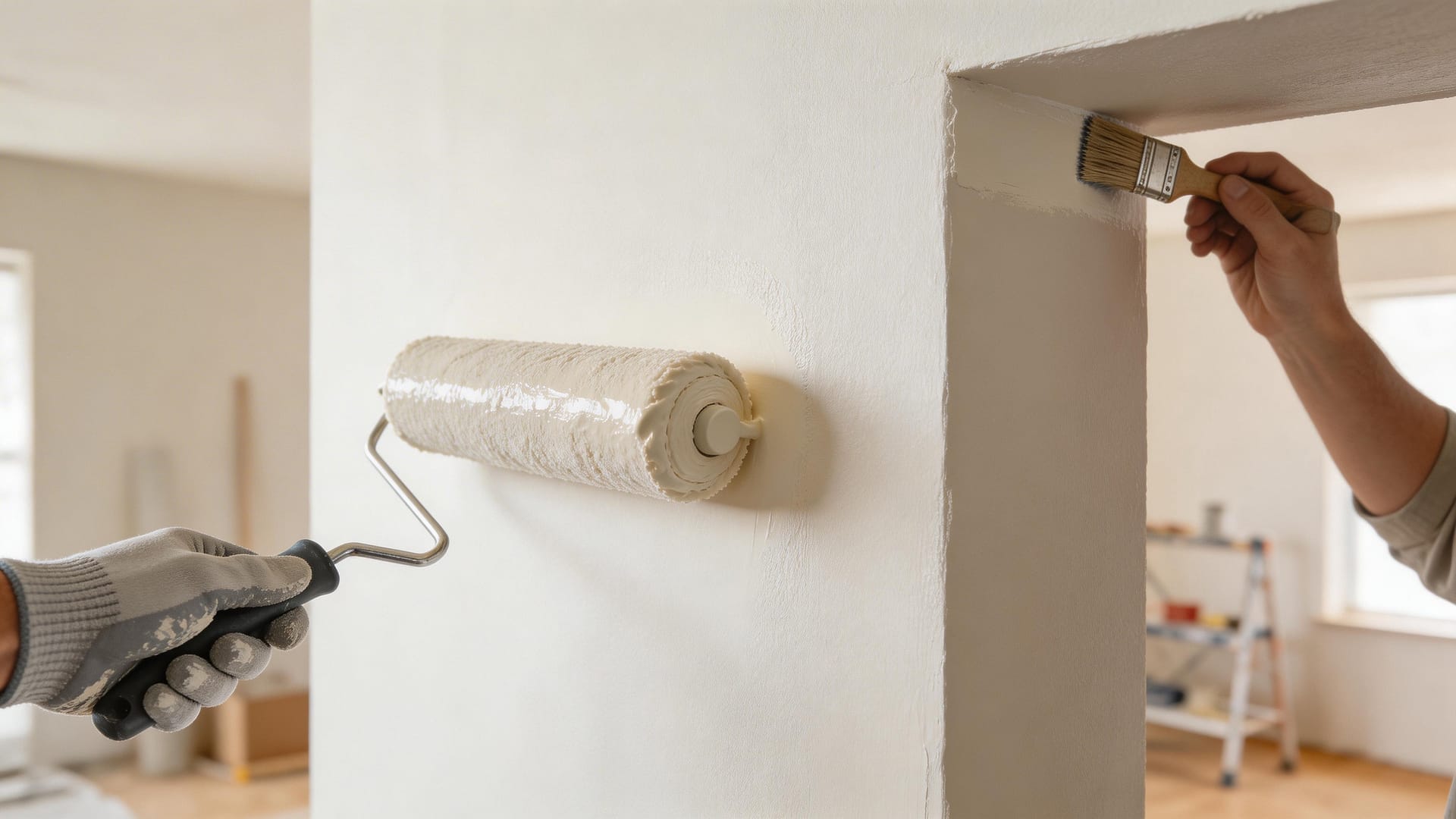
When DIY touch-ups help — and when they backfire
Tenants often ask whether they should fix paint damage themselves before moving out. The answer depends on the size of the issue and your skill level. If it is a tiny mark and you genuinely know what you are doing, careful cleaning or a minor repair may help. But if you are guessing the colour, guessing the sheen, or painting only one square in the middle of a faded wall, the result can scream “cover-up”.
A clean, honest property is usually better than a messy fake fix. If there is real damage, sometimes the smarter option is to document it, communicate clearly, and argue proportion if the landlord overreaches.
| Situation | Better move | Why |
|---|---|---|
| Light scuff marks | Clean gently first | May remove the issue without risking visible patching |
| One tiny nail hole | Consider a careful repair only if you can match properly | Poor filler or paint match may stand out |
| Multiple holes or obvious peeled paint | Be cautious about DIY | These often need proper prep and finishing |
| Large damaged section | Document and assess cost realistically | Could require broader repainting, but full cost may still be arguable |
| Old paint already in poor condition | Use photos and records | Condition before your tenancy matters |
Can a landlord keep your bond for paint damage?
A landlord may try to claim part of the bond for paint damage if they believe the tenant caused loss beyond normal wear. But that does not mean they can just pick a number because the wall looks less fresh than they hoped. The claim still needs to be grounded in actual condition and a reasonable cost.
This is why tenants should not immediately fold when they hear, “We need to repaint.” The follow-up questions matter:
- What exactly is the alleged damage?
- Is it normal ageing or tenant-caused damage?
- How old was the paint already?
- Is the claimed repair limited and proportionate?
- Is there photo evidence and a proper quote?
In many cases, the real argument is not whether the wall is perfect. It is whether the landlord is trying to transfer ordinary ownership costs onto the outgoing tenant.
What counts as a reasonable mindset for tenants?
The smartest tenants take a balanced view. Not every landlord is being unreasonable, and not every tenant claim of “wear and tear” is convincing. If a wall has clearly been damaged, accept that risk exists. But if the landlord is trying to charge premium repainting costs for old walls with minor lived-in marks, that is worth pushing back on.
A good mental rule is this: minor ageing is part of renting; obvious damage is not. Most disputes sit somewhere in the grey zone between those two. That is why records, photos, and proportion are everything.
Final takeaway: can landlords charge you for paint damage in NZ?
Yes, landlords in New Zealand can sometimes charge tenants for paint damage, but not every mark, scuff, faded patch, or slightly tired wall justifies a charge. The real test is whether the issue goes beyond fair wear and tear and whether the claimed repair cost is reasonable for the actual damage.
If you are a tenant, the best way to protect yourself is to document the property at move-in, clean thoroughly before move-out, avoid bad DIY touch-ups, and challenge any unfair attempt to turn ordinary ageing into a full repaint bill. If you are unsure whether a repaint quote sounds inflated, checking realistic NZ painting costs can help you judge whether the number is grounded in reality or not.
FAQ: paint damage, fair wear and tear, and bond concerns in NZ
Can landlords charge for scuff marks on walls in NZ?
Light scuff marks from normal day-to-day living are often easier to argue as fair wear and tear, especially if the paint is older and the marks are minor. Heavy marks, deep abrasions, or widespread damage are more risky.
Can a landlord charge me to repaint a whole room for one damaged patch?
They may try, especially if spot-repair will not blend. But that does not automatically make the full-room cost fair. The age and prior condition of the paint, the size of the damaged area, and the reasonableness of the quote all matter.
Do picture hook holes count as damage or wear and tear?
It depends on the number, size, and overall impact. One small, tidy hole is very different from multiple anchors, torn gib, or obvious patch work. This is one of those case-by-case issues where photos matter a lot.
What if the paint was already old when I moved in?
That is important. A landlord should not expect a tenant to fund a fresh new finish when the original paint was already tired, marked, or nearing the end of its life. Move-in evidence is your best protection.
Should I repaint the wall myself before moving out?
Only if you truly know what you are doing. A bad patch, wrong sheen, rough filler, or mismatched colour can make the issue more obvious and more expensive to fix properly.
Can landlords keep the bond for paint damage in NZ?
They may seek a bond deduction if they can show tenant-caused paint damage beyond fair wear and tear. But they still need a reasonable basis for the claim rather than simply wanting the place to look brand new again.