How Long Does Interior Paint Last? A Realistic NZ Guide for Walls, Ceilings and Everyday Homes
If you have ever looked at your walls and thought, they still look okay… but not quite fresh anymore, you are not imagining it. One of the most common questions homeowners ask is: how long does interior paint last? The honest answer is not just a number. It depends on the room, how the surfaces were prepared, the type of paint used, moisture levels, sunlight, cleaning habits, and how much daily life those walls have to put up with.
In many New Zealand homes, interior paint can last anywhere from 5 to 10 years, but that range shifts a lot depending on whether you are talking about a quiet guest room, a hard-working hallway, a steamy bathroom, or a kitchen that sees heat, splashes and constant wiping.
What surprises many homeowners is this
Interior paint usually does not fail all at once. It fades gradually. A wall may still be technically painted, but it can stop looking crisp long before it completely breaks down. That is why how long interior paint lasts and when a room starts needing repainting are not always exactly the same thing.
In practical terms, many people repaint because the room starts looking tired rather than because the paint has fully failed. Scuff marks that no longer wash off, uneven colour near windows, small hairline cracks around trim, patchy touch-up zones, and that dull “lived-in” look are often what push a repaint decision.
If you are already at the stage of comparing repaint timing with budget, it can also help to look at a more practical cost guide such as what it may cost to paint the inside of a house in NZ. Lifespan tells you when a repaint starts to make sense; cost planning helps you decide how to stage the work.
So if you want the real answer, it is better to think in two layers:
- Functional life: how long the paint coating still protects and covers.
- Visual life: how long the room still looks clean, modern and well kept.
Quick answer
- Bedrooms: often around 7 to 10 years
- Living rooms: often around 5 to 8 years
- Hallways: often around 3 to 5 years
- Kitchens: often around 3 to 5 years
- Bathrooms: often around 3 to 4 years
- Ceilings: often around 8 to 12 years if moisture is controlled
These are not hard rules. They are realistic expectations for typical residential repaint cycles.
Want to estimate the cost of repainting inside?
If this guide has you thinking your walls may be due for a refresh, the most relevant tool is the interior calculator. It gives a practical starting point before you request quotes.
Try the Interior Painting Cost CalculatorNeed a full-house estimate instead?
Some homes need more than one room looked at. If you are comparing inside, outside, roof, fence or deck work together, the homepage calculator hub is the better place to start.
Explore the Full Painting Estimator HubHow long does interior paint last in different rooms?
The reason people often get confused by this question is simple: not all rooms age at the same speed. A spare bedroom and a family hallway do not live the same life. One gets the occasional open suitcase. The other gets school bags, fingerprints, furniture rub marks, and people brushing past it every day.
So when someone asks how long does interior paint last, the best answer is always room-specific.
| Room or Surface | Typical Paint Lifespan | Why It Lasts This Long | Common Reasons for Earlier Repainting |
|---|---|---|---|
| Bedrooms | 7–10 years | Usually lower traffic, fewer stains, less moisture | Style changes, furniture scuffs, sun fading near windows |
| Living rooms | 5–8 years | Moderate wear, family use, more visible walls | Marks, dullness, patchy touch-ups, changing colour trends |
| Hallways and corridors | 3–5 years | Constant contact, bumps, fingerprints and rubbing | Scuffs, worn edges, dirty lower walls |
| Kitchens | 3–5 years | Grease, moisture, heat and frequent cleaning | Staining, loss of sheen, uneven wash marks |
| Bathrooms | 3–4 years | Steam and moisture stress the coating | Peeling, mildew spotting, blistering around wet zones |
| Ceilings | 8–12 years | Lower contact, less abrasion | Water stains, cooking residue, smoke, condensation |
| Trim, skirting and doors | 2–5 years | High-touch surfaces wear faster than walls | Chips, knocks, gloss breakdown, visible scratches |
That table explains why a full repaint schedule for a home rarely happens in perfect sync. Some spaces may still look excellent while others already feel overdue.
The same room-by-room difference also shows up in pricing. A bathroom repaint, a hallway refresh and a bedroom repaint can involve very different levels of prep, cutting-in, moisture protection and finish choice. For a more detailed cost view by space, this room-by-room interior painting cost breakdown for NZ homes is a useful companion to the lifespan guide above.
What actually affects how long interior paint lasts?
This is where the real answer lives. Paint lifespan is never just about the paint tin. It is about the entire system: the substrate, preparation, product choice, application quality, airflow, humidity, cleaning, and how the room gets used.
1. Surface preparation matters more than most people expect
A beautiful topcoat over dust, grease, old flaking paint or poor patching is basically an attractive shortcut. It may look fine at first, but it usually does not age well. If fillers were not sanded properly, if glossy old paint was not dulled back, or if stains were not sealed, you often end up with premature wear, flashing, peeling, or uneven texture.
2. Moisture changes everything
Bathrooms, laundries and some kitchens have a much tougher environment than dry rooms. Steam, condensation and poor ventilation can shorten the life of interior paint quite quickly. In those spaces, even decent paint can start showing mildew spotting, bubbling or edge failure sooner than expected.
3. Traffic levels are a big deal
Hallways, entrance areas and family zones simply get touched more. Bags scrape walls. Kids brush past corners. Furniture gets moved. People wipe marks off with the nearest cloth. These rooms often look older faster, even when the paint is still technically intact.
4. Paint quality and finish make a real difference
Lower-grade products may cover okay initially, but premium washable interior paints generally hold their colour, scrub resistance and finish better over time. The sheen level matters too. Flat and low-sheen finishes can look elegant, but some surfaces need a more durable finish if they are going to be cleaned regularly.
5. Colour choice changes what people notice
As an interior colour designer would tell you, not all wear reads the same to the eye. Very dark colours can show dust and rub marks more obviously. Very crisp whites can make little dents and stains stand out. Mid-tone neutrals often age more gracefully in everyday family spaces.
How do you know when interior paint needs repainting?
Most homeowners do not wake up one day and think, today the coating has expired. It is usually more subtle than that. You start to notice the room feels flatter. Less fresh. A bit grubby even after cleaning. Touch-ups begin to stand out. Corners look dingy. The whole space loses that clean, finished feel.
Those are often the first signs that the useful visual life of the paint is running out.
Common signs interior paint is no longer lasting well
- Scuff marks that do not wash off cleanly
- Patchy fading near windows or sunny walls
- Uneven sheen after repeated wiping
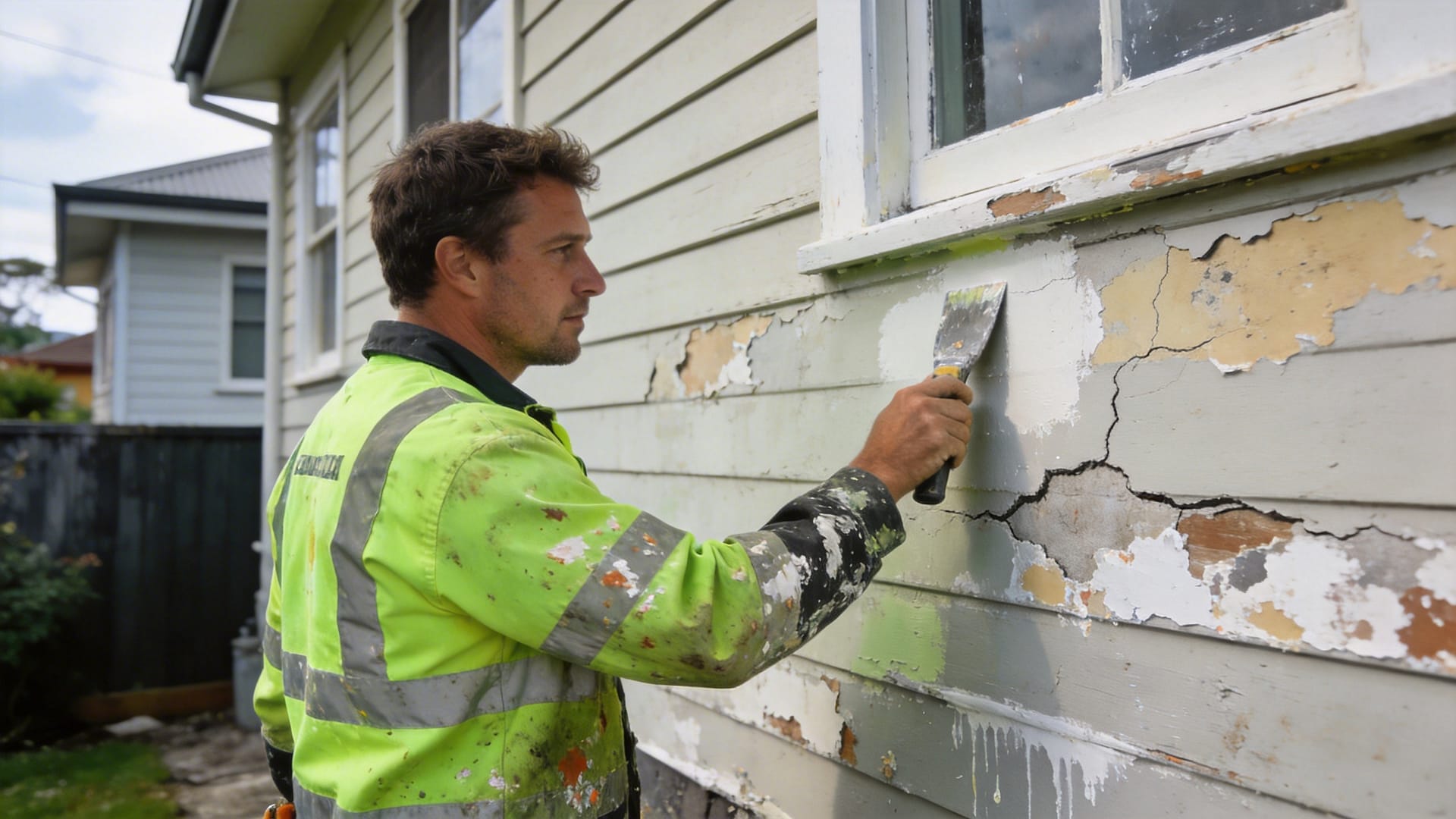
- Hairline cracking around trim or plaster joints
- Peeling or bubbling in bathrooms and kitchens
- Touch-up spots that stand out badly
- General dullness that makes the room feel older
Signs the problem may be deeper than repainting
- Water staining that keeps coming back
- Mould driven by poor ventilation or leaks
- Plaster movement or recurring cracks
- Widespread peeling from substrate failure
- Old surfaces with multiple unstable layers underneath
In those cases, the fix is not just new paint. The cause has to be dealt with first.
Does washable paint last longer?
In many practical situations, yes. Not because the label magically extends the calendar, but because a more washable coating usually handles everyday life better. In hallways, family rooms, kitchens and homes with children or pets, washable paints can help the finish hold up visually for longer because normal marks do not become permanent as quickly.
That said, “washable” does not mean “indestructible.” Repeated scrubbing with harsh tools can still burnish the finish or leave shiny spots, especially on flatter paints. So a better way to think about it is this: washable paint often helps preserve appearance, which extends how long the room still looks good.
Can interior paint last 10 years?
Yes, absolutely. But usually not everywhere.
In a calm bedroom, guest room, study or ceiling area with little moisture and little contact, interior paint can last 10 years and sometimes longer in visual terms. In a busy hallway or active kitchen, that same timeline is far less common.
This is why broad statements like “interior paint lasts 10 years” are only partly useful. They are true for some spaces, but not for the whole house in an even way.
How to make interior paint last longer
This part matters because lifespan is not fixed. Good choices can noticeably stretch it.
| What Helps Paint Last Longer | Why It Works | Best For |
|---|---|---|
| Proper washing and degreasing before painting | Helps adhesion and reduces early failure | Kitchens, older homes, high-use areas |
| Patching and sanding properly | Creates a stable smooth base | Plaster walls, repaired areas, repaints |
| Using quality primer where needed | Improves bonding and seals problem spots | Stains, new plaster, repaired surfaces |
| Choosing a more durable finish | Handles cleaning and wear better | Hallways, kitchens, family zones |
| Managing moisture and ventilation | Reduces mildew, peeling and bubbling | Bathrooms, laundries, kitchens |
| Gentle cleaning instead of harsh scrubbing | Protects sheen consistency | All painted walls |
| Touching up damage early | Stops wear from spreading visually | Doors, trims, corners, busy pathways |
If you want the shortest version: prep properly, use the right product, paint the right finish for the room, and keep moisture under control.
Is it better to repaint before paint fully fails?
In a lot of cases, yes. Waiting until the paint is badly worn can make the next job bigger. Once you start dealing with heavy staining, flaky areas, repeated patching, moisture damage or obvious texture differences, the prep work often becomes more involved.
Repainting while the existing surface is still mostly sound is usually simpler, cleaner and often more cost-effective. It also gives a better final look because the painter is working from a more stable base.
This is especially relevant if you are refreshing a home for presentation, tenants, family use, or simply because you want the place to feel sharper again.
How long does interior paint last compared with exterior paint?
Interior paint and exterior paint fail for different reasons. Interior finishes mostly deal with contact, cleaning, moisture and everyday living. Exterior coatings deal with UV, temperature changes, wind, rain and weather exposure.
That means interior paint often enjoys a more stable environment overall, but some rooms indoors still age faster than people expect because of traffic and humidity. If you are comparing both parts of a property together, it makes more sense to estimate them separately rather than assume one repaint cycle applies to the whole house.
When repainting is really about atmosphere, not just maintenance
This is the part people often feel before they can explain it. A room with aging paint can still function perfectly, yet feel flat, tired or slightly neglected. Fresh interior painting changes more than the wall colour. It changes how clean the light feels in the room. It sharpens edges. It makes skirting and trim feel intentional again. It can even make furniture look better because the background is doing its job properly.
From a colour design perspective, this matters. Good paint is not only a protective finish. It is also the visual atmosphere of the home. And that atmosphere has a lifespan too.
FAQ: How long does interior paint last?
How long does interior paint last on walls?
In many homes, wall paint lasts around 5 to 10 years depending on the room. Bedrooms often last longer, while hallways, kitchens and bathrooms usually need repainting sooner because of wear, moisture and cleaning.
How often should you repaint interior rooms?
A reasonable guide is every 7 to 10 years for bedrooms, around 5 to 8 years for living rooms, and roughly 3 to 5 years for kitchens, hallways and high-traffic areas. Bathrooms may need repainting around every 3 to 4 years if ventilation is poor.
Does interior paint expire faster in bathrooms?
Yes. Steam and condensation put more stress on the coating, so bathroom paint often shows wear sooner. If ventilation is weak, you may see peeling, mould spotting or bubbling earlier than expected.
Can I just touch up old wall paint instead of repainting?
Sometimes, but touch-ups often show if the original paint has faded, changed sheen, or if the exact product and colour match are no longer perfect. Small repairs can be fine, but broader tiredness usually looks better with a full repaint.
What makes interior paint last longer?
The biggest factors are proper prep, good-quality paint, using a suitable finish for the room, managing moisture well, and cleaning gently rather than aggressively scrubbing the surface.
Can interior paint last 10 years in New Zealand homes?
Yes, especially in lower-traffic bedrooms, studies and ceilings. But that is less common in kitchens, hallways and bathrooms, where wear tends to show up sooner.
Final thought
So, how long does interior paint last? In a real-world sense, most interior paint lasts somewhere between 5 and 10 years, but the better answer is always tied to the specific room and how it is used.
Quiet rooms can look good for a long time. Busy rooms usually do not. Moisture shortens lifespan. Poor preparation shortens it even more. And sometimes repainting is not about failure at all. It is simply about making the home feel crisp, cared for and current again.
If your walls are reaching that in-between stage where they still look acceptable but no longer look fresh, that is often the exact moment when a repaint starts to make sense.