DIY vs Professional Painting Cost in NZ – What Saves More?
Many Kiwi homeowners look at a quote, glance at the paint aisle, and immediately wonder the same thing: is DIY painting actually cheaper, or does hiring a professional painter save more in the long run? The answer is not as simple as “DIY is cheaper” or “pros are better.” In New Zealand, the real cost depends on labour time, prep quality, equipment, weather exposure, paint waste, rework risk, and the value of getting the job done properly the first time.
This guide breaks down the real difference between DIY vs professional painting cost in NZ, including hidden expenses many people miss. We will compare interior and exterior jobs, look at where DIY makes sense, and explain when paying a professional can actually protect your budget.
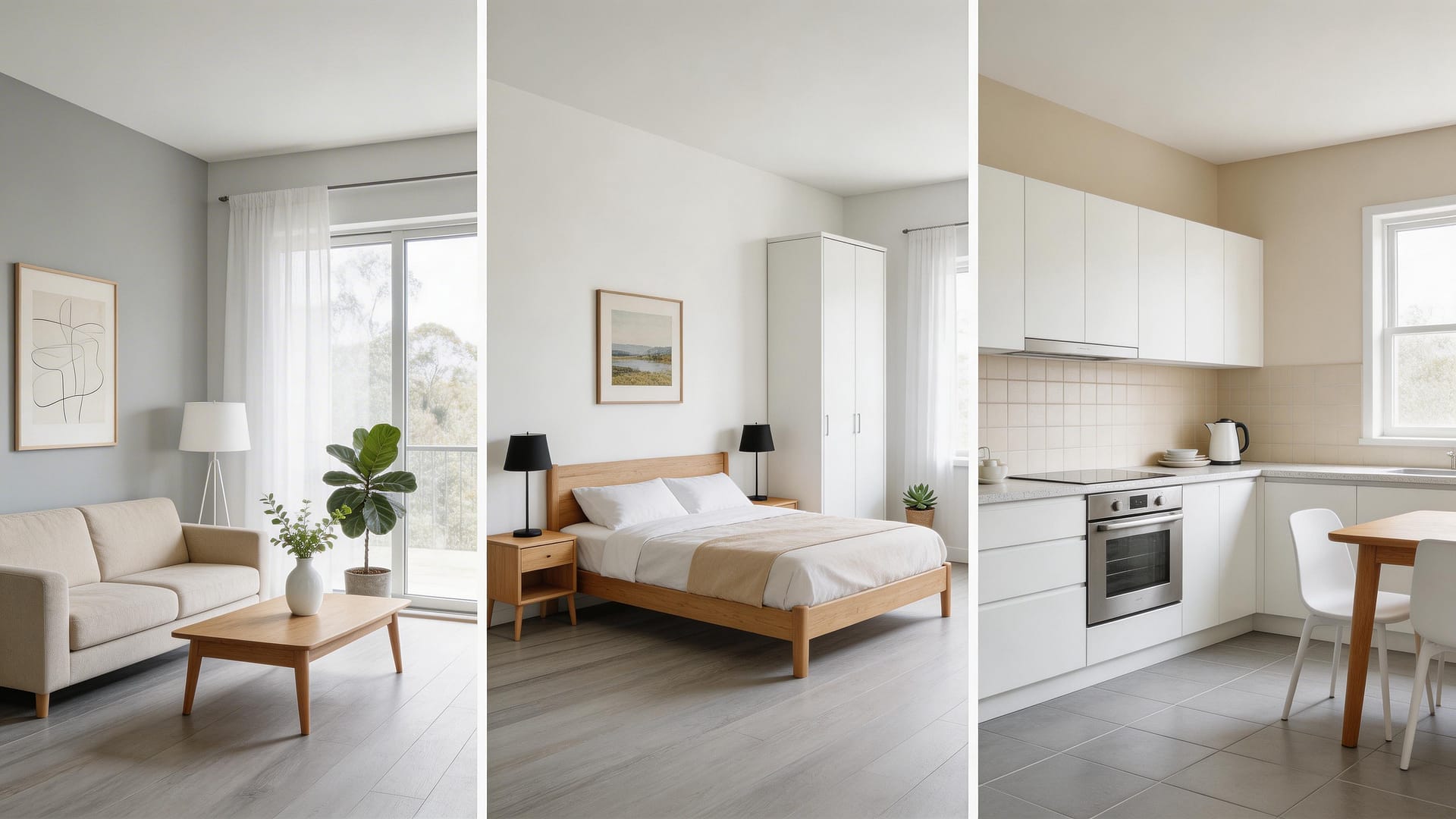
Why this question matters more in New Zealand
In NZ, painting is not only about colour and appearance. It is also about moisture, UV exposure, salt air in coastal areas, timber movement, patchy old coatings, and weather windows that can close fast. That means a painting job that looks “cheap” at the start can become expensive if the wrong primer is used, if washing and sanding are skipped, or if the finish fails earlier than expected.
This is exactly why the topic DIY vs professional painting cost in NZ deserves a proper breakdown. On paper, DIY often wins because labour is removed. In reality, labour is only one part of the total cost. The other part is execution. If a homeowner spends money on paint, rollers, fillers, masking materials, drop sheets, ladders, and weekends of work, but the finish still needs correction, the “saving” starts to disappear.
For homeowners who want a quick benchmark before making a decision, a clean way to sense-check pricing is to use a focused estimating tool. For example, if your job is mainly indoor repainting, the Interior Painting Cost Calculator can help you form a realistic starting point. If the work is outside and exposed to weather, the Exterior Painting Cost Calculator gives a more relevant comparison point.
DIY painting cost vs professional painting cost in NZ
Before deciding what saves more, it helps to compare both options side by side. The table below shows how the two paths usually differ for a typical residential repaint project in New Zealand.
| Cost factor | DIY painting | Professional painting |
|---|---|---|
| Labour | No direct labour charge, but your time has value and the job may take several weekends. | Main part of the quote, but includes skilled application, prep, and project speed. |
| Tools and equipment | Often underestimated. May include rollers, brushes, trays, drop sheets, extension poles, ladders, sanders, fillers, tapes, and cleaning gear. | Usually included in the contractor’s pricing and already suited to the job. |
| Surface prep quality | Varies heavily. Rushed prep is the biggest cause of disappointing DIY results. | Usually stronger, especially on peeling, weathered, or damaged surfaces. |
| Paint waste | Higher risk of buying too much, choosing the wrong system, or applying too heavily. | More efficient product selection and better control over coverage rates. |
| Finish consistency | Can be acceptable for small rooms, but brush marks, flashing, and patchiness are common. | Typically cleaner, more even, and more presentable, especially in visible living areas. |
| Durability | Can be fine if done carefully, but weak prep often shortens the lifespan. | Usually lasts longer because the system and prep are more reliable. |
| Risk of rework | Higher. Mistakes can require extra paint, more time, or even hiring a pro afterward. | Lower, though quality still depends on the painter you choose. |
| Total value | Best for low-risk, simple projects where time is available. | Best for large, visible, technical, or exterior jobs where quality matters. |
The biggest misconception in DIY vs professional painting cost in NZ is assuming that the quote and the paint tin are the only two numbers that matter. They are not. The missing numbers are your hours, your energy, your stress, the finish quality, and how soon the job might need doing again.
What DIY painting really costs in New Zealand
Visible DIY costs
- Paint, primer, sealer, and fillers
- Brushes, rollers, sleeves, trays, and extension poles
- Masking tape, plastic, drop sheets, rags, and sugar soap
- Ladders or platform hire for high areas
- Patch repair materials and sanding supplies
Hidden DIY costs
- Extra coats due to weak coverage or poor colour change planning
- Repainting because prep was rushed
- Time off work or weekends lost
- Buying tools that may only be used once
- Fixing drips, lap marks, flaking edges, or damaged trim
For a simple bedroom repaint, DIY can still be a sensible move. The room is easy to isolate, access is straightforward, and mistakes are less exposed to harsh outdoor conditions. But once the project expands into hallways, stairwells, ceilings, exterior timber, weatherboards, soffits, or fencing, the cost of doing it yourself rises quickly.
This is especially true for first-time homeowners. A lot of DIY painting problems do not happen because people are careless; they happen because the job has more steps than expected. If this is your first serious repaint, it is worth reading through what usually goes wrong when first-time homeowners paint before you buy everything and block out your weekend. It can help you spot the small decisions that later turn into extra sanding, extra coats, or a finish you are not quite happy with.
Another thing homeowners overlook is decision fatigue. Choosing products, working out coverage, washing walls, sanding glossy surfaces, cutting in cleanly, and managing drying times all take mental energy. That is not just inconvenience. It is part of the true DIY painting cost. If someone is trying to trim the budget without making the finish look rough, it is also worth reading the cheapest way to paint a house in NZ, because the real savings usually come from smarter scope choices and prep discipline rather than just buying the lowest-priced paint.
When professional painting can save more
Professional painting costs more upfront, but there are many situations where it saves more overall. This is especially true when the job is large, exposed, high-visibility, or technically awkward.
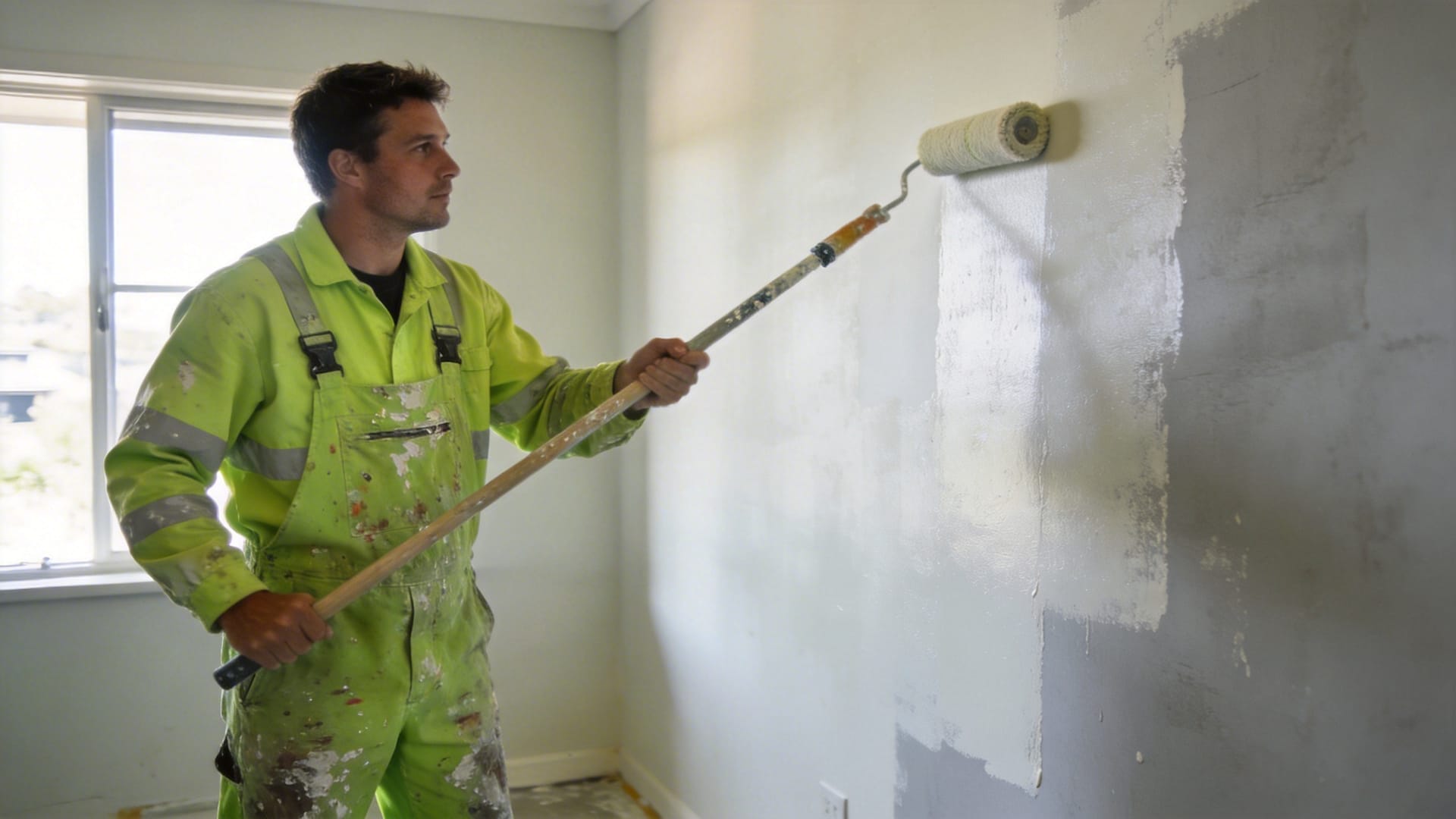

Professional painters often save more when:
- The exterior is weathered, peeling, chalky, or exposed to strong sun and rain.
- The house has height, difficult access, or safety concerns.
- You need the property to look sharp for sale, tenancy, or valuation purposes.
- The project includes repairs, patching, timber treatment, or stain-blocking.
- You simply do not want to spend multiple weekends doing a job that still may not look right.
In these cases, the value is not just “someone else does the work.” The value is in getting a better paint system, better prep, fewer delays, and a finish that stands up longer. That is where professional painting cost in NZ starts to look less like an expense and more like risk reduction.
Interior painting vs exterior painting: where the savings change
The smartest answer to DIY vs professional painting cost in NZ often depends on where the work is happening.
Interior painting
Interior repainting is usually where DIY has the strongest case. Bedrooms, studies, and small lounge spaces are manageable for careful homeowners. There is less weather pressure, fewer safety concerns, and more room to correct mistakes. If you are patient and reasonably handy, DIY interior painting can genuinely save money.
Exterior painting
Exterior painting is a different story. NZ conditions are hard on paint systems. Surfaces need proper washing, drying, scraping, sanding, priming, and timing around the weather. One shortcut can shorten the life of the whole project. This is why exterior work is far more likely to favour professional painters, even when the quote initially feels high. For homeowners trying to compare real-world numbers before deciding, it can help to look at real house painting prices in NZ rather than relying on a rough guess or a single quote in isolation.
| Project type | DIY value potential | Professional value potential |
|---|---|---|
| Single bedroom repaint | High | Moderate |
| Ceilings across the whole house | Moderate | High |
| Feature wall or small refresh work | High | Low to moderate |
| Full house exterior repaint | Low | Very high |
| Weatherboards with peeling paint | Low | Very high |
| Rental refresh under time pressure | Low to moderate | High |
How to decide what actually saves more
Instead of asking “Which is cheaper?”, ask a better question: which option gives me the best result for the total cost, total effort, and total lifespan?
DIY is more likely to save money if:
- The project is small and indoors
- The surfaces are already in decent condition
- You already own some tools
- You have time and patience
- You do not need a flawless showroom finish
Hiring a professional is more likely to save money if:
- The project is external or multi-room
- The property has prep issues
- Appearance matters for resale or presentation
- You are working around a deadline
- You would be paying twice if DIY goes wrong
That is the core of DIY vs professional painting cost in NZ. The cheapest option at the checkout is not always the cheapest option across the whole job.
Use a smarter benchmark before choosing DIY or professional painters
If you are comparing your options, it helps to start with a realistic number. A rough estimate gives you a better feel for whether a quote is fair and whether a DIY attempt is genuinely worth it. Explore the main calculators or browse the full NZ painting estimator hub.
FAQ: DIY vs Professional Painting Cost in NZ
Is DIY painting always cheaper in New Zealand?
No. DIY usually has a lower upfront cash cost because you are not paying labour, but once tools, prep materials, wasted paint, and the risk of rework are included, the gap can shrink a lot. For small interior jobs, DIY may save money. For bigger or more technical projects, professional painting may offer better value.
What is the biggest hidden cost of DIY painting?
The biggest hidden cost is usually poor preparation. Many paint failures come from weak cleaning, sanding, scraping, priming, or patching. When prep is not done properly, you can end up repainting much sooner than expected.
Does hiring a painter save money in the long run?
It can, especially for exterior painting, difficult access, or homes that need repairs before coating. A professional finish often lasts longer and looks better, which can reduce maintenance and improve presentation.
Which is better for DIY: interior or exterior painting?
Interior painting is generally more DIY-friendly. It is easier to control, less exposed to weather, and lower risk overall. Exterior painting in NZ is much less forgiving because of climate exposure and access requirements.
How can I tell if a painting quote is reasonable?
A good starting point is to compare the job against a specialised estimating tool, then look closely at what is included in the quote. Prep work, repairs, number of coats, product quality, and access conditions all affect the real value.
Final verdict: what saves more?
For simple, low-risk, indoor repainting, DIY can absolutely save money. For technical, weather-exposed, large-scale, or high-visibility projects, professional painting often saves more when you measure the whole picture rather than the first invoice.
The smartest homeowners do not choose based on ego or guesswork. They choose based on scope, surface condition, finish expectations, and the true cost of getting it wrong. That is why the real answer to DIY vs professional painting cost in NZ is this: DIY saves more when the job is simple. Professional painters save more when the job carries risk.
If you are on the fence, benchmark the project first, compare the likely effort honestly, and then decide whether you are paying for labour or paying for peace of mind. In many NZ homes, that difference is what determines whether the project feels satisfying or becomes a drawn-out headache.
Suggested keyword focus: DIY vs professional painting cost in NZ, DIY painting cost NZ, professional painting cost NZ, is DIY painting cheaper NZ, interior vs exterior painting cost NZ