How to Avoid Bad House Painters in NZ
If you have ever felt nervous about hiring painters, that feeling is completely reasonable. A paint job can look neat for the first week, then slowly reveal rushed prep, thin coverage, messy cutting-in, peeling trim, or awkward patch marks that become obvious once the light changes.
This guide breaks down how to avoid bad house painters in NZ in a practical way. Not with vague advice, but with the exact signs that separate a careful professional from someone who just wants to get in, get paid, and disappear.
Before you accept a quote or book a date.
So the cheapest option does not become the most expensive mistake.
Without sounding demanding or awkward.
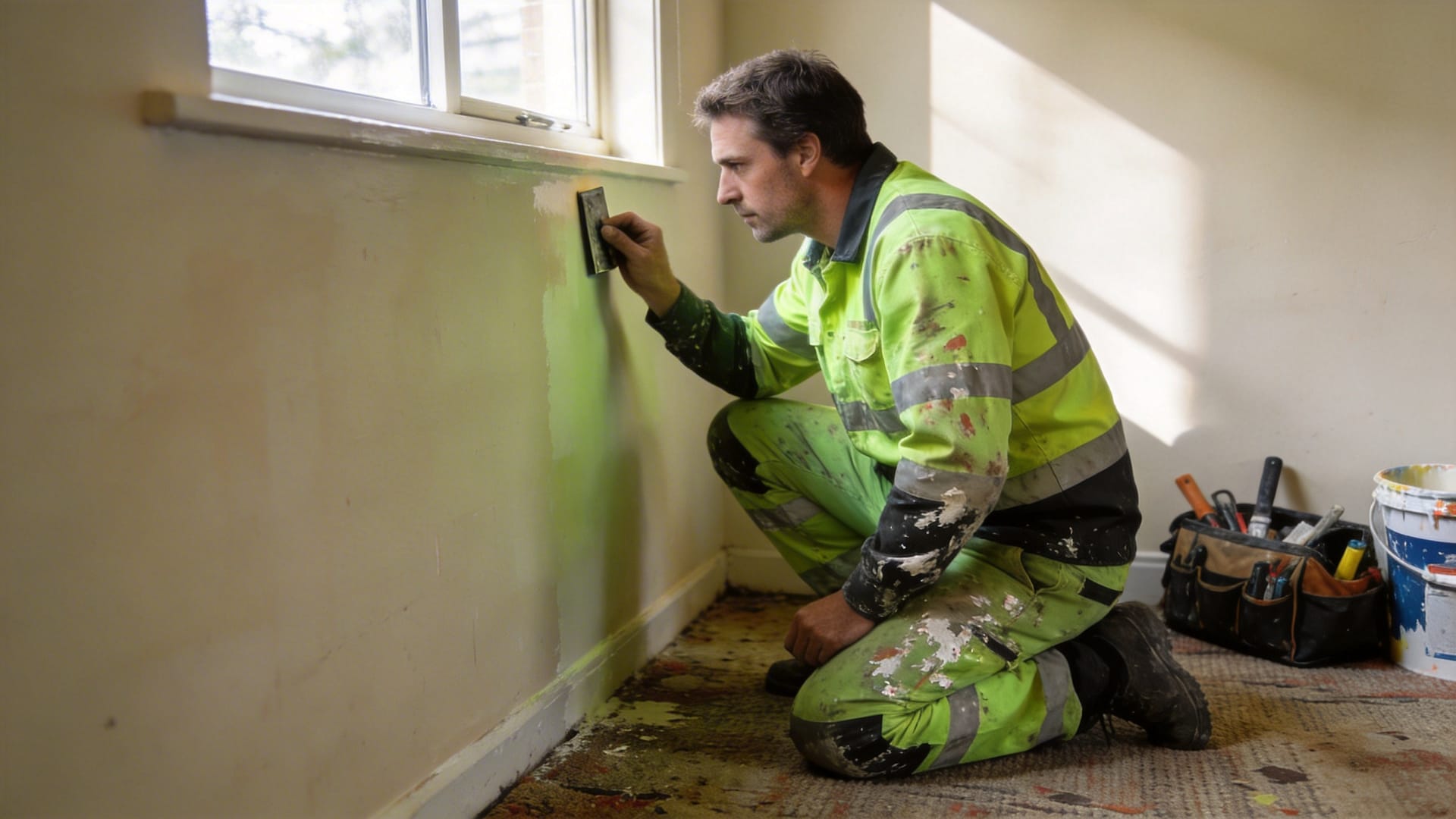
Most bad painting jobs do not start with the brush. They start with the wrong decision.
Many homeowners think the risk begins once work is underway. In reality, the real risk starts much earlier, usually when quotes are being compared too quickly, when a homeowner assumes all painters use similar systems, or when the cheapest option feels “good enough for now”. That is why people later end up searching things like how to avoid bad house painters in NZ, what questions to ask before hiring a painter, or how to tell if a painting quote is too cheap.
What surprises many homeowners is that bad house painters in NZ do not always look obviously bad at first. They may sound confident. They may be friendly. They may even have a few decent photos. The difference often shows up in the boring parts: prep work, drying times, surface repair, product choice, masking, and the patience to do a second coat properly.
So if you want to know how to avoid bad house painters in NZ, think less about sales talk and more about process. Good painters usually explain what they will do. Bad painters usually skip straight to the price.
The first filter: if the quote is vague, the risk is high
A strong painting quote in New Zealand should give you a clear picture of scope. Not just “paint exterior house” or “interior repaint”. You want to see what is included, what is excluded, and how the painter thinks about preparation. Before you accept anything, it is worth reading a practical guide on how to get an accurate painting quote in New Zealand, because a proper quote should make the job easier to understand, not harder.
One of the easiest ways to avoid bad house painters in NZ is to compare detail, not just dollars. A lower quote can simply mean less prep, fewer coats, cheaper paint, or less time spent on finishing. That is not real savings if the job fails early. For a closer look at this trap, it is worth reading why cheap painting quotes can cost you more once repairs, repainting, and poor durability are added back into the picture.
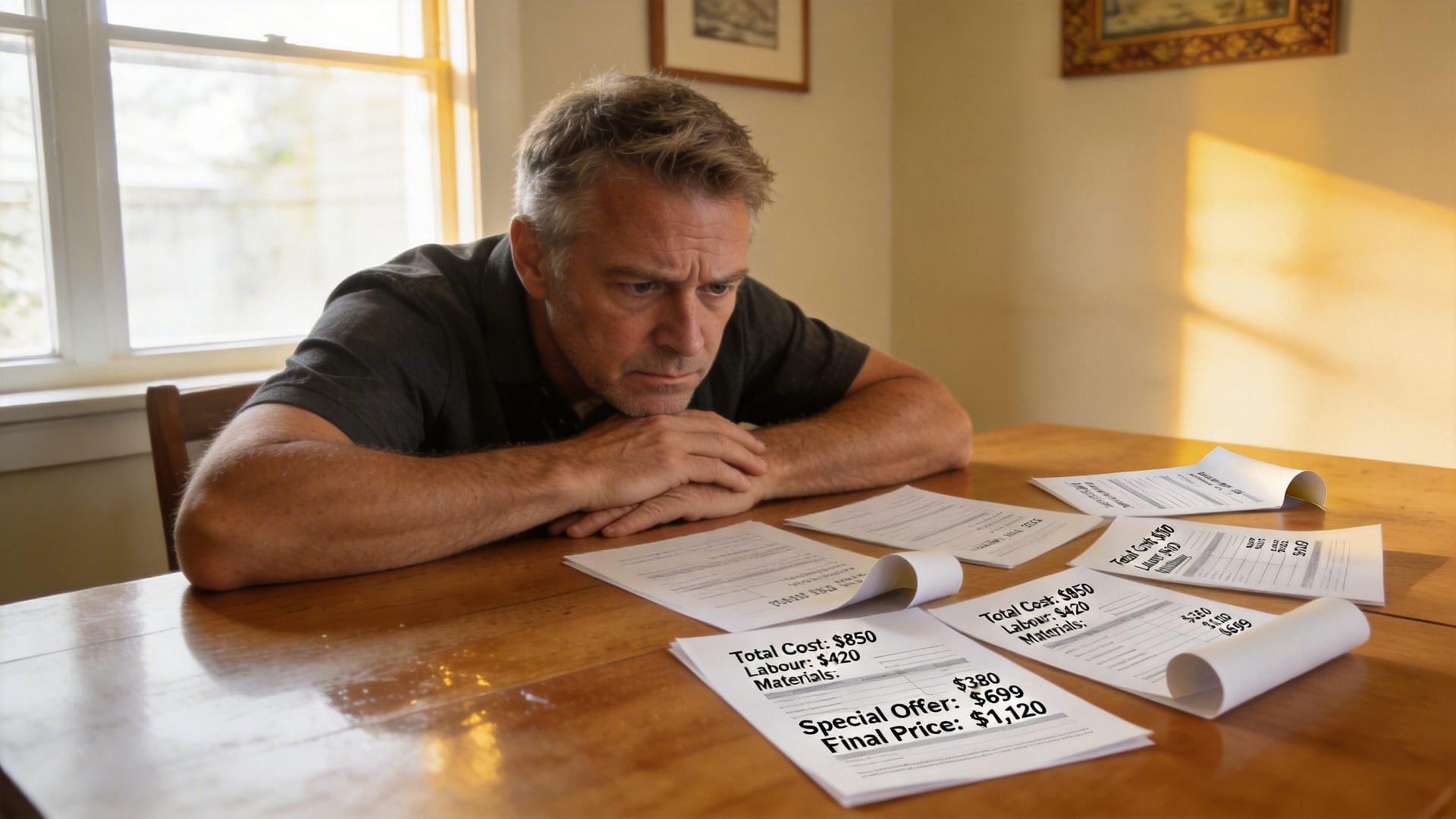
Quick comparison table: what careful painters do differently
| Area | Careful Professional Painter | Risky or Low-Quality Painter |
|---|---|---|
| Site visit | Looks closely at surfaces, moisture issues, cracks, timber condition, access, and previous coatings. | Throws out a number quickly with very little inspection. |
| Quote detail | Lists prep, coats, products, and scope in a way you can understand. | Keeps everything vague so responsibility stays blurry later. |
| Prep work | Treats prep as part of the job, not an optional extra. | Rushes sanding, skips proper filling, paints over weak surfaces. |
| Communication | Answers practical questions clearly and calmly. | Gets defensive when you ask basic questions. |
| Price logic | Explains why the price is what it is. | Uses “cheap today only” pressure or avoids detail. |
| Finish quality | Cares about straight lines, even sheen, and consistent coverage. | Hopes you only notice the job from a distance. |
Prep work is where good painters quietly win
This is one of the biggest truths behind how to avoid bad house painters in NZ: the best painters often spend a surprising amount of time before the visible painting even begins.
That matters because New Zealand homes are not always gentle on painted surfaces. Exterior timber can be weathered. Interior walls may have dents, old patching, nail pops, grease, or hairline cracks. Older homes can hide more issues than they show in listing photos or casual walk-throughs. A painter who skips preparation is not being efficient. They are borrowing trouble from the future.
It is actually quite common for homeowners to judge painters by how quickly they work. But speed by itself is not a quality signal. Fast can mean organised and experienced. It can also mean corners were cut. The only way to tell is to ask what prep is planned and why.
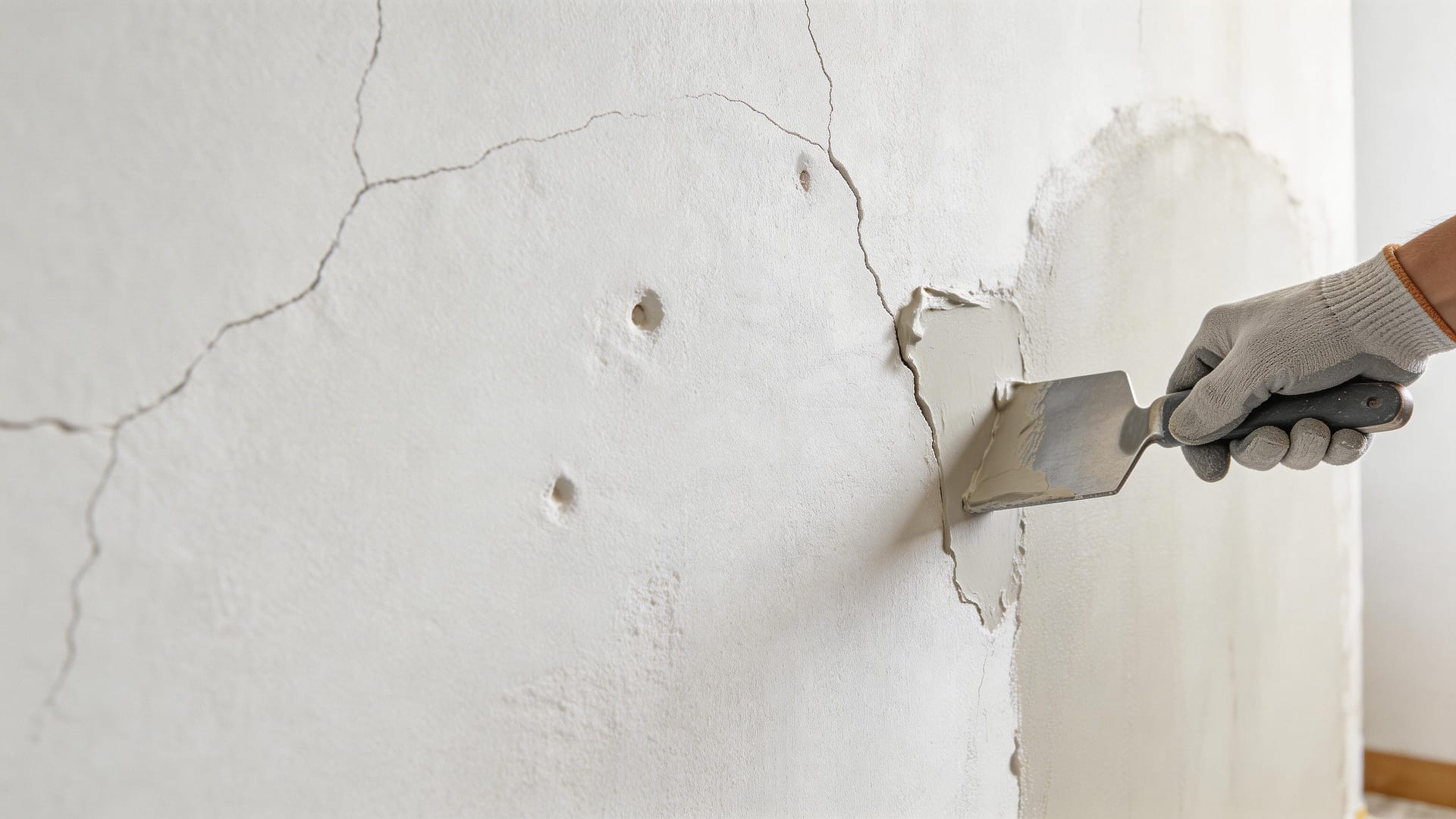
Questions that help you avoid bad house painters in NZ
You do not need to interrogate people. You just need to ask the sort of questions that make rushed contractors uncomfortable and make good contractors look better.
1) What preparation is included in this quote?
This is the big one. If the answer is fuzzy, that tells you something. If the answer is detailed, that also tells you something.
2) How many coats are included, and where?
Do not assume all surfaces get the same treatment. Some jobs need spot priming. Some need full undercoats. Some need more than one finish coat to achieve proper coverage and even sheen.
3) What paint system are you planning to use?
You do not need a lecture on chemistry. You simply want to know whether the painter has an actual system in mind or is making it up as they go.
4) What could change the final price?
This helps you spot honest transparency versus bait pricing. Hidden timber damage, severe peeling, extensive repairs, or difficult access can be legitimate variables. A vague “we’ll see later” answer is less reassuring.
5) How do you protect floors, furniture, trim, and outdoor areas?
Bad painters often reveal themselves through poor protection and messy habits. A quality result is not just about the final wall colour. It is also about how much chaos gets left behind.
Need a benchmark before comparing quotes?
One of the easiest ways to avoid bad house painters in NZ is to understand the rough cost range before you start talking to contractors. That helps you spot quotes that are unrealistically cheap or strangely inflated.
Do reviews and photos matter? Yes, but less than people think
Reviews can help, but they should not carry the whole decision. A few good reviews do not automatically prove consistent quality. Photos are useful too, but they can be selective. A painter can show three strong photos and still be poor at prep, communication, and project management.
What works better is combining several signals. Look at review consistency, quote detail, how the painter answers practical questions, whether the timeline sounds realistic, and whether the job plan makes sense for your specific house.
That is why homeowners searching bad house painters NZ, how to choose a house painter in New Zealand, or how to compare painting quotes often end up learning the same lesson: confidence is cheap, clarity is valuable.
The cheapest painter is often not the cheapest outcome
This point deserves repeating because it catches people all the time. A cheap quote can feel satisfying in the moment. It feels like a win. But if the finish starts peeling, if coverage looks thin, if patching flashes through in daylight, or if trim lines look untidy, the “saving” disappears quickly.
Rework is expensive. Frustration is expensive. Having strangers back in your home again is expensive in a different way too. So when you think about how to avoid bad house painters in NZ, remember that price is only useful when it is attached to a clear process and a believable standard.
A simple way to think about it
If you are still unsure how to avoid bad house painters in NZ, here is the simplest filter of all: hire the painter who makes the job feel more understandable, not more mysterious.
Good painters usually reduce confusion. They explain surfaces. They explain prep. They explain why one area needs more work than another. Bad painters often hide behind speed, charm, or a low number on the page.
And that is really the heart of it. The goal is not to find the most polished salesperson. The goal is to find someone whose process makes sense before the first drop of paint ever lands on the wall.
Do not leave the final check until it feels awkward
Even after choosing a good painter, it is still sensible to inspect the work properly before the final payment. That does not mean looking for trouble. It simply means checking the job in normal daylight, looking at edges, trims, patch areas, coverage, sheen consistency, and any areas that were easy to miss while the work was underway.
A careful painter should not be offended by a reasonable final walk-through. In fact, many good painters prefer it because small touch-ups are much easier to handle before the job is fully wrapped up. For a more detailed checklist, this guide on how to inspect a house painting job before final payment is a useful one to read before you sign off the work.
FAQ: How to Avoid Bad House Painters in NZ
How do I know if a painting quote is too cheap?
What is the biggest red flag when hiring house painters in NZ?
Should I choose painters based on reviews alone?
Why does prep work matter so much in a house painting job?
What should I ask before hiring a painter in New Zealand?
Final thought
Learning how to avoid bad house painters in NZ is not about becoming an expert overnight. It is about noticing a few important patterns: vague quotes, weak prep, defensive communication, unrealistic pricing, and too much confidence without enough detail behind it.
Once you start looking for those patterns, the difference becomes much easier to see. And that usually leads to a better result, a calmer experience, and a paint job that still looks right long after the contractor has packed up and gone.